

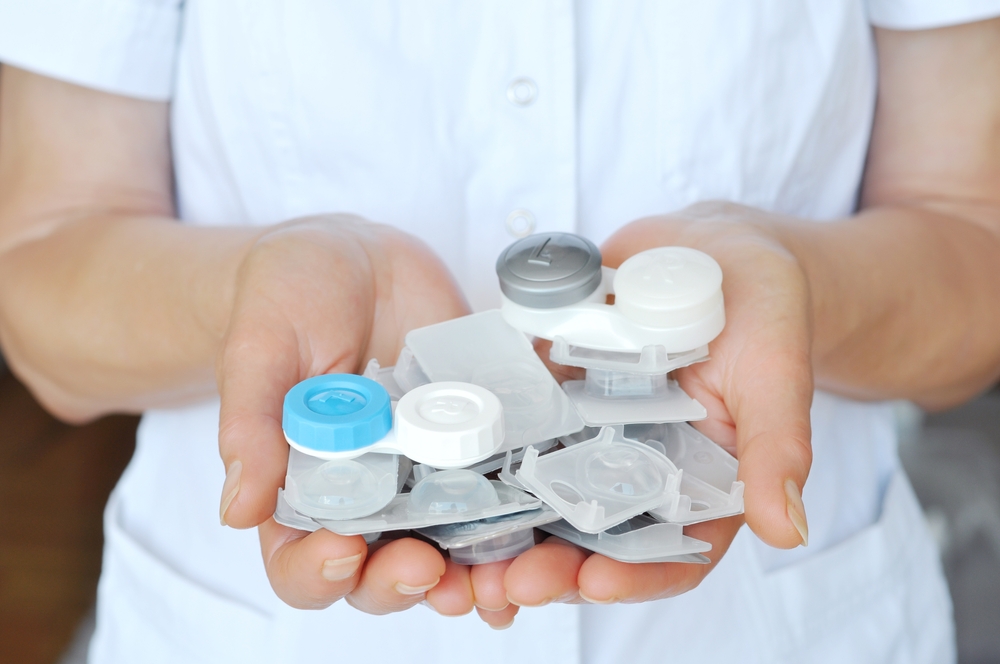
From everyday soft contacts to scleral lenses, contact lenses come in more forms than most people realise. Here is rundown of the different types you may come across.
If you wear contact lenses, chances are you are using soft lenses – the most common type prescribed today. But behind this everyday medical device lies a surprising variety of materials, shapes, and uses.


In this article, we go beyond the lens case and unpack the different types of contact lenses, and how each one supports different needs.
Soft Contact Lenses
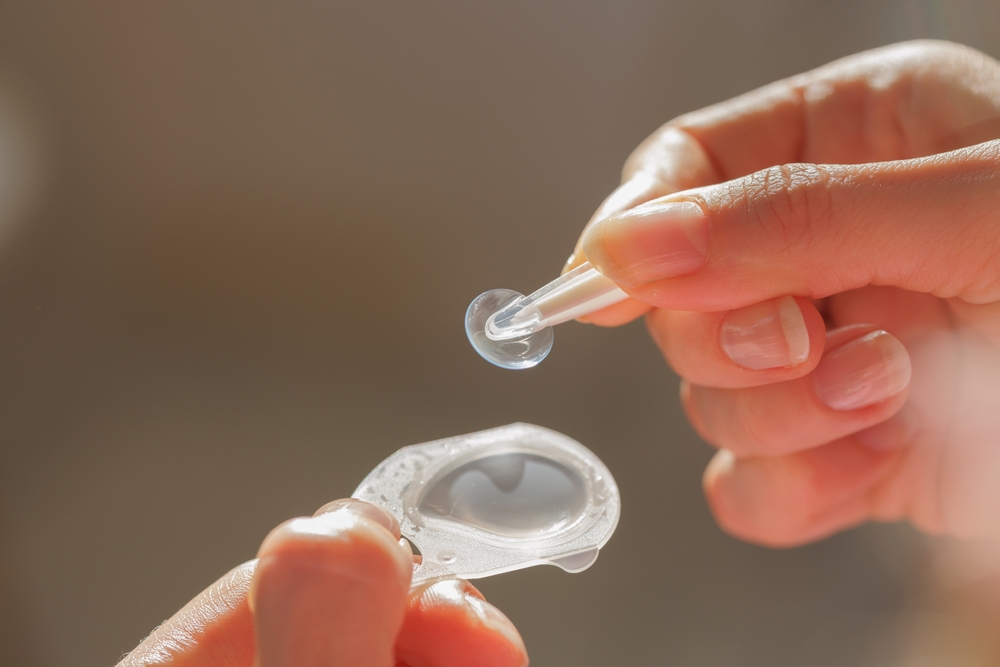
Soft lenses are made from flexible plastics that allow oxygen to pass through to the eye – a key factor for maintaining long-term corneal health. These lenses are thin, comfortable, and widely available in many wear schedules.
Types of soft lenses
Daily disposables: Worn for a single day and discarded. These are the most hygienic and convenient option, especially popular in Southeast Asia.
Monthly or bi-weekly lenses: Reused for weeks, but require strict hygiene practices.
Toric lenses: Designed for people with astigmatism.
Multifocal lenses: Correct both near and far vision, often used for presbyopia.
Coloured or cosmetic lenses: Add tint or dramatic colour, but require the same hygiene and prescription as clear lenses.
| Pros ✅ | Cons ❌ |
|
|
Who it suits
As a low-maintenance, everyday solution, soft contact lenses are suitable for first-time users, office workers, students, and people with active lifestyles.
Rigid Gas Permeable (RGP) Lenses
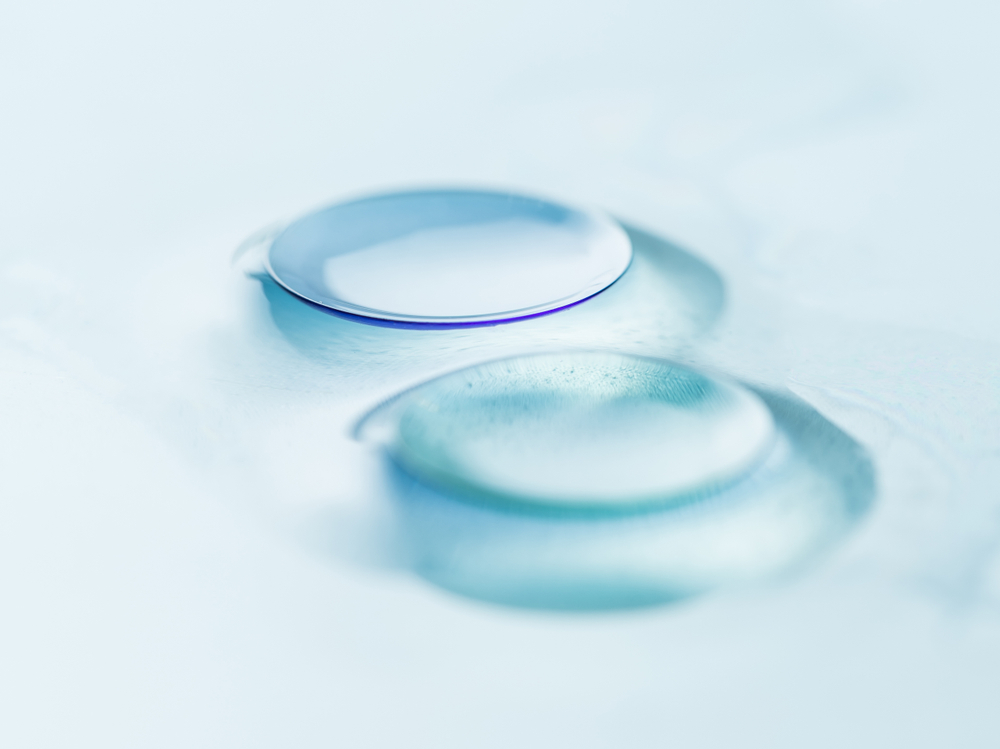
RGP lenses are small, firm lenses made from oxygen-permeable plastic. Unlike soft lenses, they maintain their shape on the eye and provide sharp, consistent vision.
Pros ✅ | Cons ❌ |
|
|
Who it suits
People with high astigmatism, keratoconus, or those needing very sharp vision correction.
Scleral Lenses
View this post on Instagram
Scleral lenses are large-diameter gas permeable lenses that rest on the sclera (the white part of the eye) rather than the cornea.
They create a tear-filled space between the lens and the eye, helping to hydrate the eye and protect irregular or damaged corneal surfaces.
Pros ✅ | Cons ❌ |
|
|
Who it suits
Individuals with chronic eye conditions can benefit from scleral lens. This includes severe dry eye, ocular surface disease, patients with corneal irregularities or scarring.
Individuals who have undergone corneal transplants or laser eye surgery or sensitivity to smaller lenses may also find scleral lenses helpful.
Hybrid Lenses
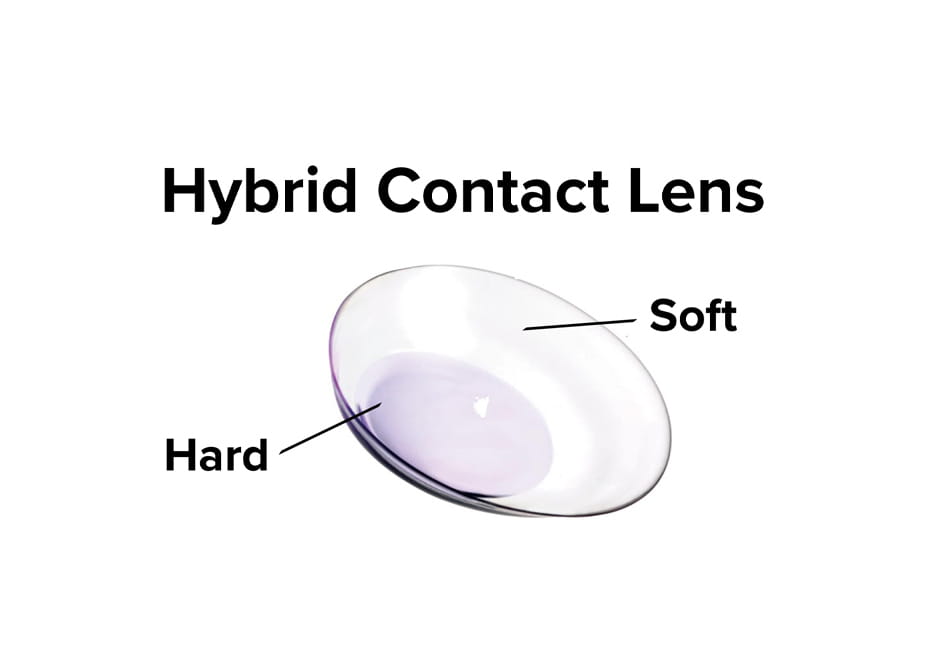
Hybrid lenses combine the sharpness of a rigid centre with the comfort of a soft skirt. They aim to bridge the gap between RGP and soft lenses.
Pros ✅ | Cons ❌ |
|
|
Who it suits
Hybrid lenses are suitable for people with mild to moderate keratoconus or irregular corneas. RGP wearers who struggle with discomfort may also find hybrid lenses a suitable option.
Orthokeratology (Ortho-K) Lenses
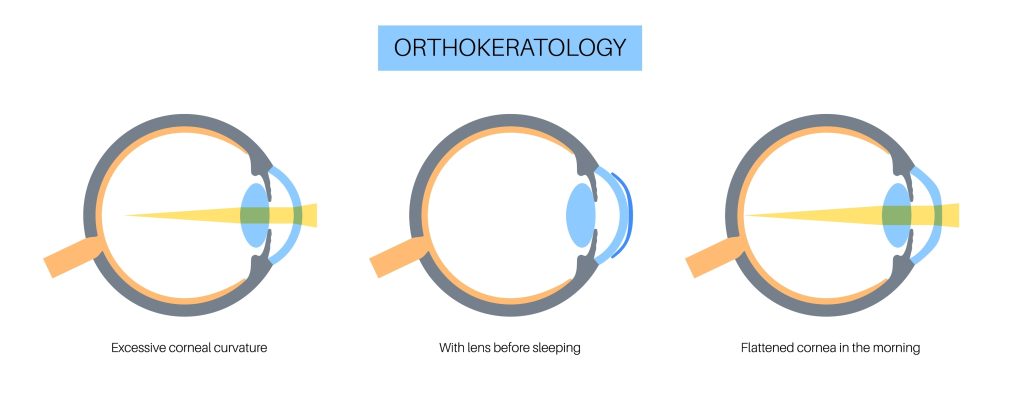
Ortho-K lenses are special rigid lenses worn overnight to gently reshape the cornea. After removal in the morning, users can see clearly throughout the day without needing glasses or lenses.
Pros ✅ | Cons ❌ |
|
|
Who it suits
Children undergoing myopia control, adults wanting daytime freedom from lenses or glasses, active individuals or athletes who prefer lens-free days can benefit from Ortho-K lenses.
Contact Lenses Are Not One-Size-Fits-All
Each type of contact lens is designed with specific eye conditions, lifestyle needs, and safety considerations in mind. Wearing the right type of contact lens more than just comfort – it is also about protecting your long-term eye health.
Furthermore, whether you wear lenses for convenience, vision correction, or even cosmetic purposes, how you wear them is just as important as what you wear. Always consult a qualified eye care professional before starting or switching lens types.
Are your lens habits really as healthy as they should be?
Medical Channel Asia has launched a community forum page where you can get questions answered by a medical specialist. Why not ask them at our community forum here.

