

At just 11 months old and weighing 5.3kg, a Vietnamese infant faced odds few survive. A rare liver transplant would decide everything.
Most people imagine organ transplants as procedures performed on adults or older children. Few picture an 11-month-old infant weighing barely more than a newborn, fighting for survival with almost no physiological reserve.


Yet that was the reality for Truong Thien Di.
In early February 2026, doctors at Vinmec Times City International Hospital performed a high-risk living-donor liver transplant on Di, an infant weighing just 5.3 kilograms. Born with biliary atresia, a rare condition in which bile ducts fail to develop properly, she had progressed to end-stage liver failure before her first birthday.
For her, transplantation was the only remaining option.
What is Biliary Atresia?
Biliary atresia is a rare but serious liver condition that affects newborns and young infants. It occurs when the bile ducts, the small channels that carry bile from the liver to the intestines, are blocked, damaged, or fail to develop properly.
Bile plays a crucial role in digestion and in removing waste products from the liver. When bile cannot flow out of the liver, it builds up inside the organ, causing inflammation, scarring, and progressive liver damage.
Most babies with biliary atresia appear healthy at birth. Symptoms usually emerge within the first few weeks of life and may include persistent jaundice, pale or clay-coloured stools, dark urine, and poor weight gain. Because early symptoms can resemble common newborn jaundice, diagnosis is sometimes delayed.
Without treatment, biliary atresia leads to cirrhosis and liver failure, often within the first two years of life.
Di’s Condition
Di was diagnosed shortly after birth in Ho Chi Minh City. At three months old, she underwent a Kasai portoenterostomy, the standard first-line surgery designed to restore bile drainage. For some infants, the procedure delays or prevents the need for transplantation.
Unfortunately for Di, it did not.
Her jaundice persisted, and liver fibrosis worsened. Severe malnutrition followed, steadily eroding her ability to tolerate illness, surgery, or infection. By October 2025, at 11 months of age, she weighed only 5.3 kilograms.
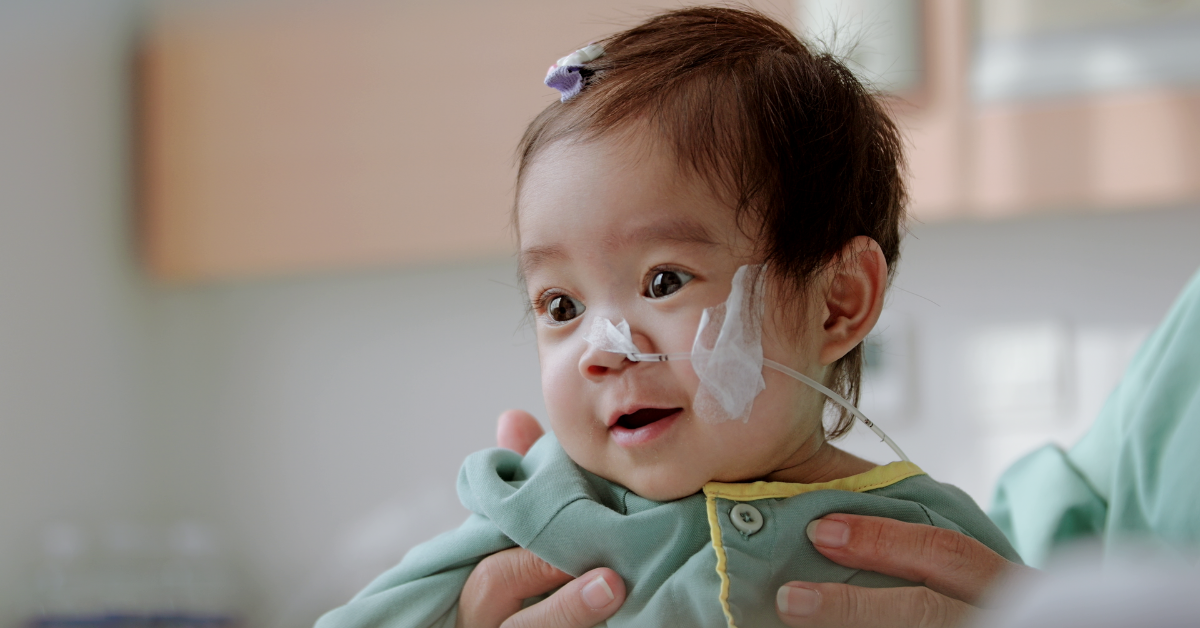
International data consistently show that infants under six kilograms face significantly higher risks during liver transplantation, including bleeding, vascular complications, and postoperative instability. At a lighter weight, each vessel is smaller, and each mistake carries disproportionate consequences.
The Lowest-Weight Transplant Performed in Vinmec Hospital
With options narrowing, her family turned to Vinmec Times City International Hospital, hoping for a liver transplant – the only life-saving option remaining.
“This is the lowest-weight pediatric patient we have ever performed a liver transplant on at Vinmec,” shared Associate Professor Dr. Le Van Thanh, Deputy Chief Medical Officer for Surgery at Vinmec Healthcare System
With experience from hundreds of complex liver transplant cases, Dr. Thanh personally performed the operation on the child.
After extensive multidisciplinary evaluations, the transplant team made the critical decision for Di’s biological mother to be the donor. Living-donor transplantation allows surgeons to tailor liver size for small recipients, but it also demands absolute safety for a healthy adult undergoing major surgery.
A Marathon Operation
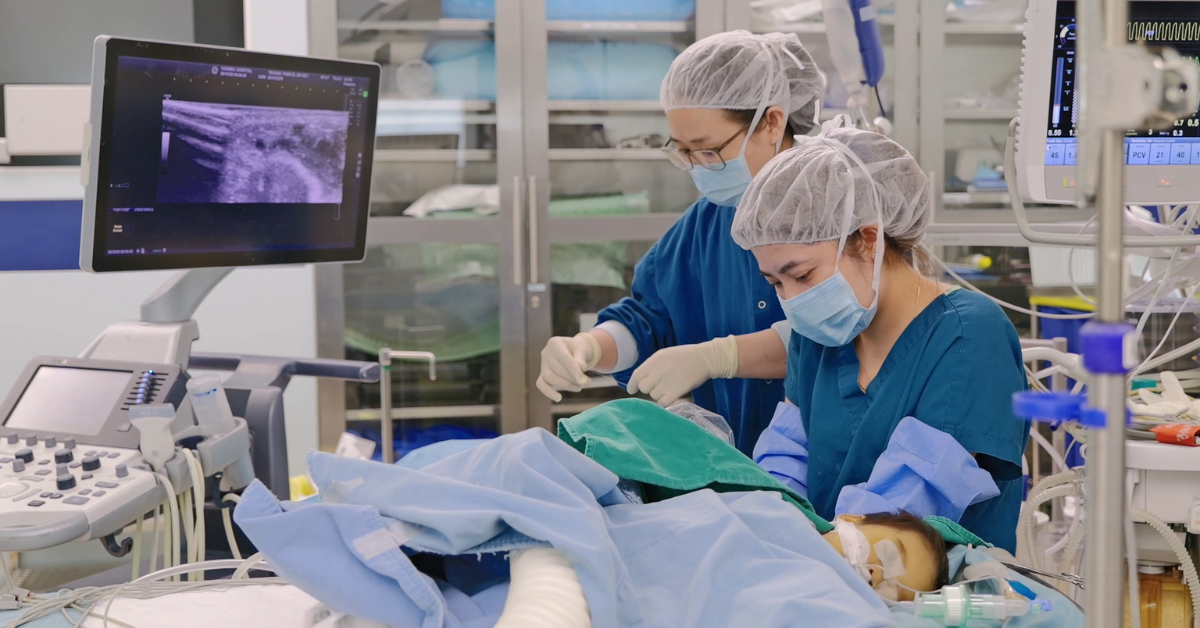
The surgery lasted over 12 hours. In an infant of this size, reconstructing the portal vein, hepatic artery, and bile duct demanded exceptional skill and technical precision.
After the operation, the transplanted liver finally began to function. However, it is not time to celebrate yet – as it was only the beginning.
According to Dr. Le Van Binh from the Intensive Care Unit, postoperative care extended far beyond surgical success. Every injection, medication dose, nutritional intake, and therapeutic adjustment was carefully calibrated to the child’s fragile physiology.
Gradually, Di’s condition stabilised. She began to breathe more comfortably and started to gain weight.
Building National Capacity for High-Risk Pediatric Transplantation
Cases like Di’s reflect more than an individual success. They highlight how Vietnam is expanding its ability to manage highly complex pediatric transplants within the country.
Vinmec has emerged as a national reference centre for high-risk liver transplantation, particularly in children. Beyond clinical experience, the hospital operates with integrated surgical, anaesthetic, and intensive care systems that support real-time monitoring and rapid intervention.
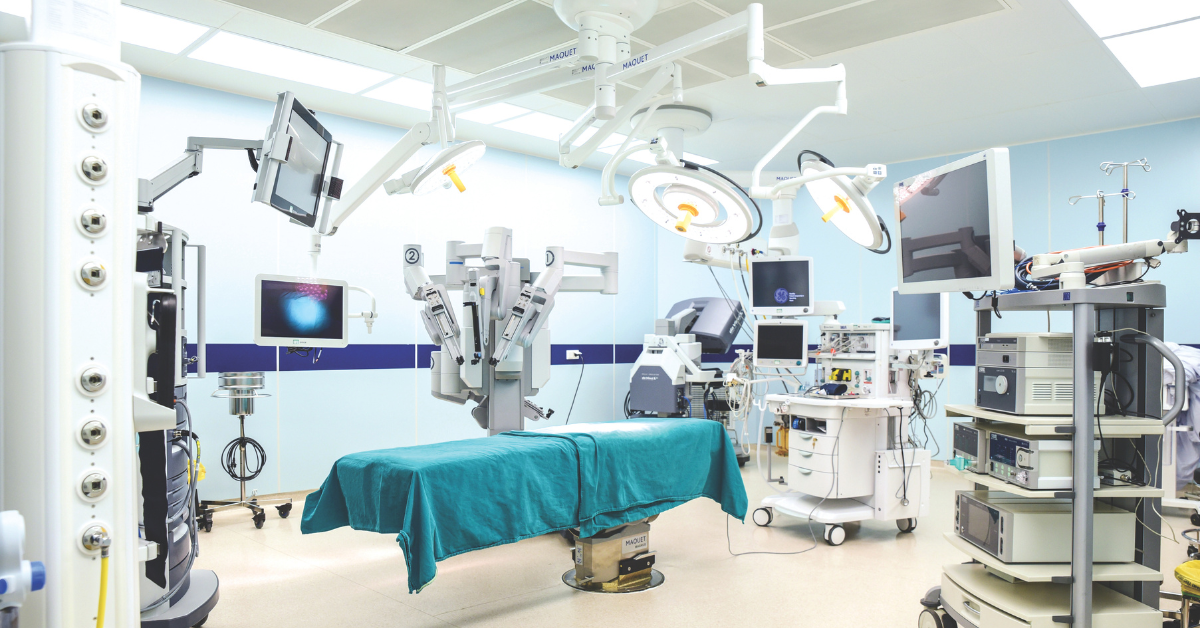
The centre also meets international accreditation standards including JCI, AABB, UCARE, ADCARE, and CAP, reinforcing consistency and safety in organ transplantation practices.
Dr Thanh has also played a key role in transferring transplant techniques and protocols to other centres, including Vietnam Military Hospital 175 and institutions across Southeast Asia, contributing to broader regional capacity building.
For families facing biliary atresia or advanced liver disease, timing and access to expertise can determine outcomes.
Successfully managing a transplant in a 5.3kg infant demonstrates that such care is increasingly possible within Vietnam, reducing the need for families to seek treatment overseas and expanding options for international patients in the region.

