

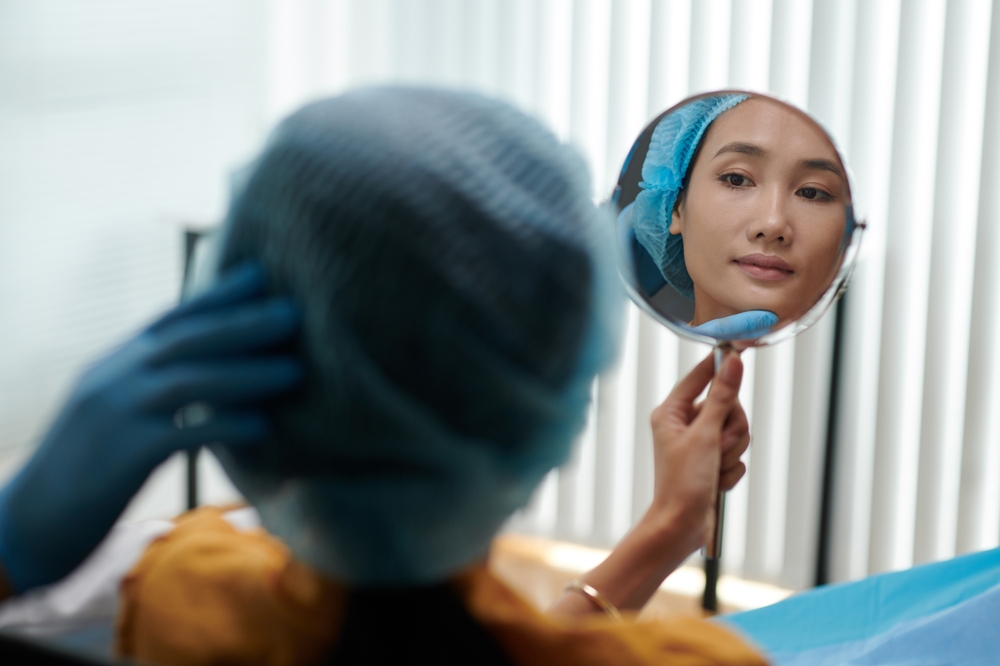
Cosmetic procedures have evolved beyond aesthetics. Today, they offer a science-backed way to restore, protect, and maintain healthy skin – inside and out.
Healthy skin does not just reflect beauty – it reflects wellbeing. Whether it is breakouts, dullness, scars or early signs of ageing, many people struggle with skin concerns that affect more than just their looks. These issues can impact confidence, mood, and even social interactions. That is why today’s approach to skincare is changing.


Once viewed purely as a cosmetic luxury, aesthetic procedures are now seen as an extension of skin health. Thanks to medical research and technological advancements, these treatments are no longer just about vanity, they are also about restoring function, building resilience, and supporting skin over time.
The Connection Between Skin and Cosmetic Procedures
Your skin is your largest organ. It is constantly exposed to sunlight, pollution, stress, and even your diet. Over time, these factors can wear down your skin’s natural defences, causing dehydration, uneven tone, reduced elasticity, and premature ageing.
Cosmetic procedures aim to address these concerns by working on both the surface and deeper layers of the skin. Unlike quick or temporary fixes, many professional treatments focus on long-term results by improving texture, repairing damage, and restoring balance.
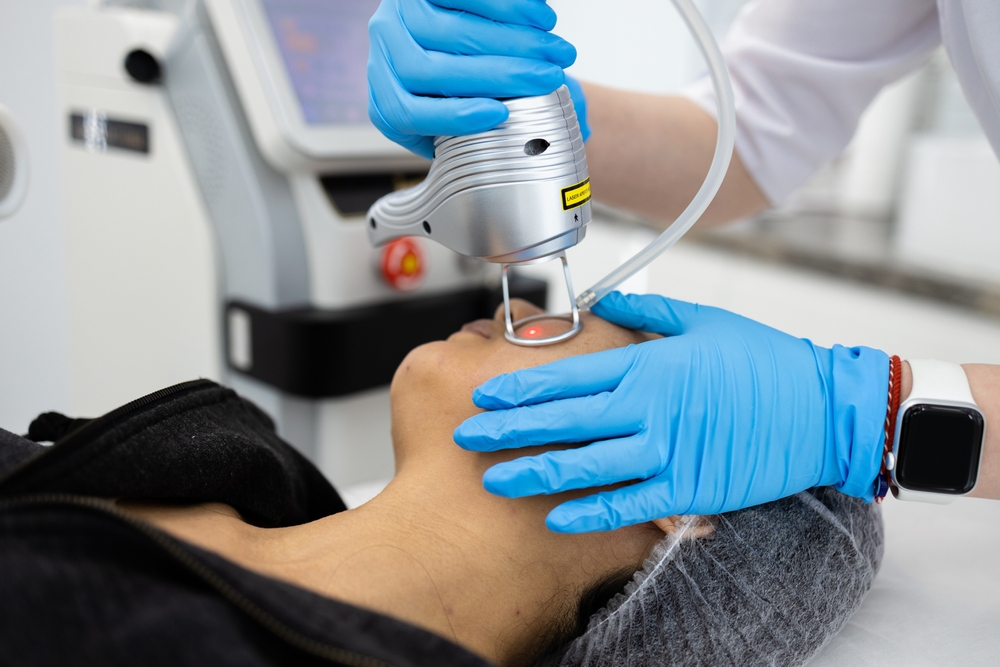
Procedures such as resurfacing treatments, chemical peels, and cosmetic injectables are designed to encourage the skin to repair itself. These methods may boost hydration, improve circulation, or stimulate the production of collagen. When approached from a health-focused perspective, cosmetic procedures become a bridge between medical care and aesthetics, offering improvements that go beyond appearance alone.
These benefits go beyond what any moisturiser can do at home. Think of these treatments as medical-grade support systems designed to help your skin repair itself and perform better.
Addressing Skin Conditions Like Acne
Acne is one of the most common skin conditions in Asia, and it is more than just a teenage concern. Many adults in their 20s, 30s or even 40s deal with persistent or hormonal acne, often triggered by stress or lifestyle changes.
For mild cases, home care routines and over-the-counter products may be enough, but persistent or severe acne often requires more specialised approaches. Professional acne treatment can help reduce inflammation, prevent scarring, and speed up recovery.
Treating acne effectively creates a healthier foundation for any further cosmetic procedures. For example, once active acne is under control, someone may consider treatments that reduce scars or improve overall skin texture. This step-by-step approach ensures that cosmetic care supports long-term skin health instead of only masking problems. By targeting the causes and effects of acne, treatments provide both relief and prevention.
Prevention and Maintenance Through Cosmetic Care
One of the biggest misconceptions about aesthetic treatments is that they are only for “fixing” things. In reality, many cosmetic procedures are used as preventative care.
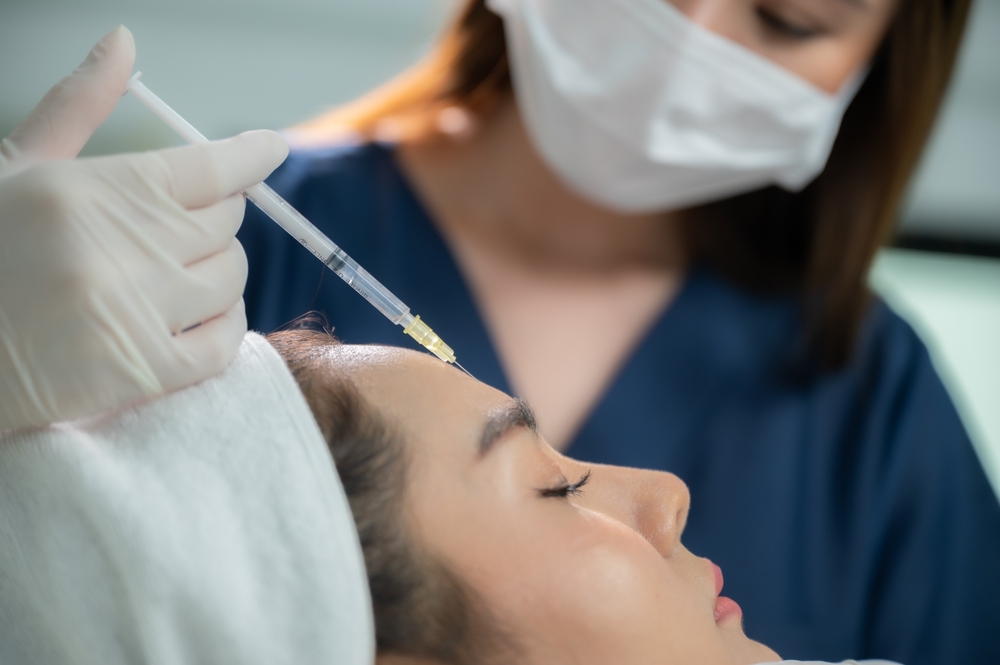
Take cosmetic injectables like botulinum toxin. When used early and in moderation, they can help prevent the formation of deep wrinkles by relaxing facial muscles. Skin boosters and hydration-based fillers improve elasticity and reinforce the skin barrier, making skin more resistant to dryness, sun damage, and ageing.
These treatments do not only focus on aesthetics but also help strengthen the skin, making it more resilient to aging and environmental stress.
In the same way, consistent acne treatment prevents the long-term impact of untreated breakouts, which often lead to scars and uneven skin tone. Both approaches preventing future problems and maintaining healthy skin form a balanced strategy that benefits overall wellbeing.
Balancing Everyday Care and Professional Support
Healthy skin is the result of many factors working together. Daily habits matter – we know cleansing, sun protection, diet, and hydration all form the backbone of good skin health. But even the best at-home routine has its limits.
This is where cosmetic procedures come in. They fill the gap between what people can achieve at home and what requires expert care. This balance is important because it prevents reliance on temporary or superficial solutions.
Importantly, this does not mean you should stop your home routine. Instead, combining daily care with expert-led treatments creates a sustainable skincare strategy: maintain, protect, treat, repeat.
Together, these approaches create healthier and longer-lasting results.
Skin Health Is Emotional Health
Cosmetic procedures, when chosen carefully, are part of a holistic approach to skin care. They work alongside healthy lifestyle choices to support both physical and emotional wellbeing. Treatments that improve circulation, boost hydration, or reduce scars not only make skin look fresher but also improve how it feels.
When skin looks and feels better, it changes how we show up in the world.
It is important to note that cosmetic treatments are not a replacement for good habits but rather a complement to them. The most successful outcomes usually come from combining consistent daily care, a balanced lifestyle, and professional guidance.
Cosmetic Procedures Are About Health, Not Just Looks
Cosmetic procedures play an important role in supporting healthy skin. They are not just about improving appearance but also about preventing damage, treating existing concerns, and maintaining wellness over time. Whether it is through effective acne treatment to create a strong foundation or the careful use of cosmetic injectables to maintain skin health, these methods offer more than cosmetic benefits.
Healthy skin is not achieved overnight. It requires a combination of good habits, prevention, and sometimes professional care. When guided by a qualified professional and paired with a healthy lifestyle, these cosmetic procedures can be a valuable part of long-term skin wellness.

