


As 2026 begins, more patients are seeking smile makeovers. Dr Amanda Koh explains why oral health foundations must come before cosmetic dental treatments for lasting results.
As we begin 2026, many patients arrive at dental clinics with New Year’s resolutions about their smiles.


These resolutions are often focused on smile makeovers: whiter teeth, veneers, or perfectly aligned smiles. However, before aesthetic enhancements can succeed, it’s crucial to address the underlying oral health foundation that supports them.
In clinical practice, prioritising oral health fundamentals not only improves long-term outcomes but also protects overall health and quality of life.
Foundations Matter: The Bigger Picture of Oral Health
Oral diseases remain a significant public health burden both globally and locally. According to the World Health Organisation, nearly 3.7 billion people are affected by oral conditions such as dental caries and periodontal disease worldwide, and these conditions often go untreated despite being largely preventable.
In Singapore, national surveys indicate that untreated dental caries and periodontal disease remain highly prevalent among adults, with a notable proportion of the population also neglecting routine dental care.
At the same time, Ministry of Health data shows that just over half of Singaporeans visit a dentist at least once a year, and a significant share of those visits are for preventive care, even as others seek reactive treatment only when problems arise.
These statistics highlight a crucial reality: oral diseases begin quietly and progress over time, often without noticeable symptoms until they reach advanced stages. Unless the core issues, such as gum health, cavities, bite function and periodontal stability, are addressed first, cosmetic or even teeth replacement procedures may be less effective or even counterproductive.
When Speed Backfires
Many patients today are arriving with a “fast outcome” mindset, and in my clinical practice, two patterns are becoming increasingly common.
First, some patients wish to proceed directly to dental implants despite having active or advanced gum disease. An implant is not a shortcut around infection. When the gums and supporting bone are unhealthy, placing an implant means introducing a long-term solution into an unstable foundation. This significantly increases the risk of early complications and long-term implant failure. The safer, more predictable approach is to first stabilise gum health and control inflammation, then plan implants based on sound biological principles, not urgency.
Second, I am seeing patients pursue veneers as a surface-level cosmetic fix, sometimes through non-dental settings or without a proper diagnosis. Veneers cannot safely correct significant orthodontic misalignment, nor do they treat underlying decay. When crowding, bite issues, or active dental caries are present, veneers may temporarily mask problems while disease continues to progress beneath the surface. A responsible veneer plan begins with a thorough assessment of alignment, bite function, and cavity risk, followed by a carefully sequenced treatment plan that prioritises health before aesthetics.
If there is one message I want patients to take away, it is this: faster is not always cheaper, easier, or better. True efficiency in dental care comes from addressing foundational issues first, so patients heal once, invest once, and achieve results that are not only aesthetic but also functional and lasting.
These trends highlight a crucial reality: oral diseases often begin silently and progress gradually, without noticeable symptoms until they reach advanced stages. Unless core issues, such as gum health, cavities, bite function, and periodontal stability, are addressed first, cosmetic procedures may be less effective or even counterproductive.
Cosmetic Treatments Should Not Be the Starting Point
Cosmetic dentistry, including teeth whitening, dental veneers, and bonding, can enhance appearance and build confidence, but it must rest upon a healthy, stable oral environment. Functional dental care focuses on diagnosing and treating disease, restoring structural integrity, and ensuring that the mouth is free of active pathology before elective aesthetic procedures are considered.
For example:
- Untreated gum disease can compromise tooth stability, reducing the durability of cosmetic work.
- Cavities beneath a veneer or crown can continue to progress under restorations, leading to more invasive treatment later.
- Misaligned or crowded teeth not only affect appearance but also create niches for plaque build-up, increasing the risk of decay and periodontal inflammation.

Case Example – When Veneers Are the Wrong Answer
One patient came in requesting veneers for a quick aesthetic upgrade. On the surface, the request appeared straightforward. However, a comprehensive assessment of the bite, teeth, and supporting tissues revealed that veneers were not only unsuitable but also likely to be short-lived and potentially harmful.
The patient presented with severe bruxism and a heavy bite, multiple worn and fractured teeth, active gum disease, and several missing teeth. In this context, placing veneers alone would have been equivalent to applying a cosmetic finish to a structurally compromised foundation. The excessive grinding forces would have increased the risk of chipping or debonding, while untreated gum disease meant the tissues were not stable enough to support long-term restorative work.
Instead of proceeding with cosmetic treatment, we took a step back and planned a full-mouth rehabilitation. The treatment sequence prioritised stabilising gum health, managing grinding forces to protect the teeth and jaw joints, restoring lost tooth structure, and replacing missing teeth to re-establish a functional bite. Only once these foundational issues were addressed did we incorporate aesthetic enhancements.
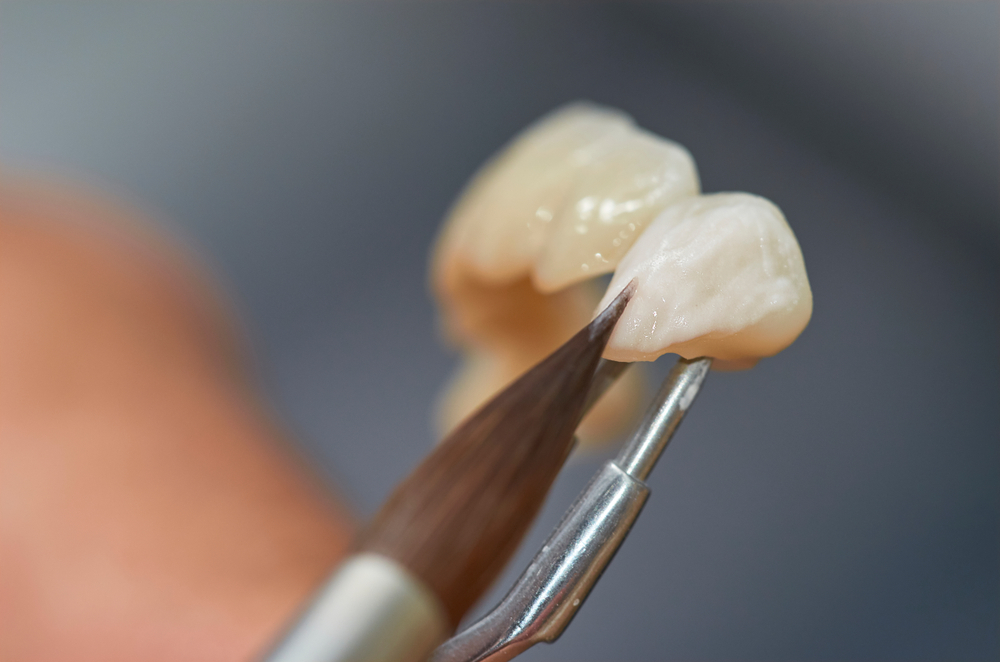
The patient’s initial goal was a better-looking smile. What they ultimately needed was a predictable and durable outcome. Once they understood that a “veneers-first” approach would likely fail, they were reassured that addressing the foundations first was not a delay, but a safeguard for long-term success.
Good foundational care doesn’t negate the value of cosmetic dentistry; instead, it maximises cosmetic outcomes and reduces complications.
Oral Health, Nutrition, and the Rest of the Body
The mouth does not exist in isolation from the rest of the body. It is the first point of contact for digestion, playing a central role in nutrition, communication, social interaction and overall well-being. What we eat influences not only the tissues in the mouth, including our teeth and gums, but also how effectively we can consume nutrients. The health of the oral cavity, in turn, affects our ability to eat comfortably and nutritiously. This bidirectional relationship between diet and oral health is well recognised in clinical practice.
Poor dietary habits, especially frequent intake of sugars and acidic foods, are strongly linked to dental caries and enamel erosion. In contrast, a balanced intake of essential nutrients supports tissue integrity and immune function in the oral environment.
Moreover, oral health is increasingly understood as part of holistic systemic health. Conditions such as periodontal disease have been associated with chronic systemic conditions, including diabetes and cardiovascular disease, and may influence how nutrition and inflammation interact throughout the body. Although associations do not necessarily imply direct causation, the evidence underscores that oral health and overall health are inextricably connected, and that optimal care requires attention to both local and systemic factors.
Genetics, Diet, and Systemic Health
From a clinical perspective, teeth and gums do not function in isolation. A complex interplay of genetics, diet, and overall systemic health shapes oral health. Together, these factors influence the resilience of oral tissues and the effectiveness of their healing after treatment.
Genetics plays a more significant role than many people realise. Some individuals naturally have thinner gum tissue, a greater tendency toward inflammation, a more acidic oral environment, or saliva that offers less protective benefit. This does not mean poor outcomes are inevitable, but it does mean that baseline risk varies from person to person. As a result, preventive strategies and maintenance intervals should be tailored rather than uniform.

Diet is the most consistent daily influence on oral health. Risk is driven not only by sugar content, but also by frequency and acidity. Regular snacking, sweetened beverages, and acidic drinks can keep the mouth in a prolonged demineralised state, increasing the risk of cavities and exacerbating gum inflammation. At the same time, inadequate protein intake or poor overall nutrient density can compromise tissue integrity and slow healing, particularly following procedures such as deep cleaning, extractions, or implant-related surgery.
Systemic health connects these factors. Conditions that affect inflammation, immune response, saliva flow, or blood sugar regulation can alter how the gums respond to plaque and how quickly disease progresses. In some cases, even patients with good oral hygiene may experience unexpectedly aggressive gum disease or recurrent decay due to underlying systemic influences.
Case Example – When Good Hygiene Is Not Enough
One anonymised example is a patient I will refer to as “K.” They presented with persistent cavities and bleeding gums despite diligent home care. Clinically, two factors stood out: a strong family history of gum disease and signs of chronic dry mouth, alongside frequent “sipping and snacking” throughout the day. Once these contributors were identified, the care plan was adjusted on three fronts: a personalised preventive programme aligned with genetic risk, dietary changes to reduce the frequency of sugar and acid exposure, and collaboration with medical colleagues to address dryness and systemic contributors. Over the following months, gum inflammation reduced significantly and the rate of new decay slowed.
The key message for patients is this: oral disease is rarely about blame or simply “trying harder.” While genetics sets the baseline, diet and systemic health influence whether the mouth drifts toward disease or stability. When treatment planning accounts for these factors, outcomes are more predictable, more comfortable, and far more sustainable.
Practical Steps for a Dental “Reset” in 2026
A New Year dental reset doesn’t need to be intimidating.
Key steps patients should consider include:
- Comprehensive oral assessment: Start with a full exam to detect and address disease early.
- Professional hygiene and gum health management: Periodontal care lays the groundwork for both health and aesthetics.
- Functional restorations: Repair cavities and structural defects before elective treatment. ● Patient education: Empower patients with the knowledge to care for their own oral health.
- Long-term maintenance plans: Regular follow-ups and personalised preventive care.
Patient Expectations: Educate Before Enhancing
One of the biggest challenges in dental practice is aligning patient expectations with clinical realities. Patients may prioritise instant cosmetic change, yet neglect the silent progression of disease.
A foundation-first approach ensures that cosmetic interventions are not only beautiful but sustainable and biologically sound.
Case Example – Slowing Down for Better Outcomes
One anonymised case that remains particularly instructive is a patient I will refer to as “M,” who initially presented seeking a cosmetic upgrade, describing their teeth as looking “old.” Their request was for quick whitening and veneers.
A comprehensive assessment, however, revealed that the primary issues were not cosmetic. M had early to moderate gum disease, multiple areas of incipient decay between teeth, and a bite pattern contributing to ongoing chipping and tooth sensitivity. Proceeding directly with veneers would likely have produced a short-term aesthetic improvement, but the underlying disease and excessive bite forces would have continued, placing any restorations at high risk of premature failure.
Instead, treatment was deliberately sequenced to address foundational concerns first. This included stabilising gum health through periodontal therapy and structured maintenance, managing early decay conservatively, addressing oral dryness and dietary frequency, and protecting the bite from clenching with a night guard. Only once inflammation was controlled and oral health stabilised did we proceed with aesthetic treatment. In this case, that meant a conservative combination of whitening and targeted restorations rather than a full veneer case.
The long-term outcome was markedly different. The patient experienced fewer unexpected issues, reduced sensitivity, and sustained improvements in gum health. Crucially, the cosmetic results proved durable because they were built on a stable biological foundation. This is the clinical value of slowing down at the outset: foundational care is what makes outcomes predictable, not just attractive.
Reset with Purpose
As we enter 2026, it is timely for both patients and clinicians to reset dental goals, with a clinical foundation as the starting point. When we prioritise health, not just looks, we achieve outcomes that enhance not only smiles but lifetime well-being.

