

Proper dental implant aftercare is what determines whether your implants last decades or fail early. Learn what to do in the first 24 hours, the long-term habits to keep, and the warning signs never to ignore.
Did you just get dental implants?


First of all, congratulations. If you ever needed to invest money in your health and body, your teeth are one of the best choices.
But here is the part many patients overlook: installing dental implants is just one part of the process. The real hard work is still to come. The work that will determine if your implants last for decades or fail within a few years.
With poor dental implant aftercare and maintenance, even the best dental implants can and will fail. And no one wants that after investing thousands of dollars and going through surgery.
Why Dental Implant Aftercare and Maintenance Matter
Here is something most people never hear: Dental implants have a 90-98% success rate when placed by a skilled dentist. In dentistry, those odds are exceptional.
The catch? Success depends on aftercare and maintenance.

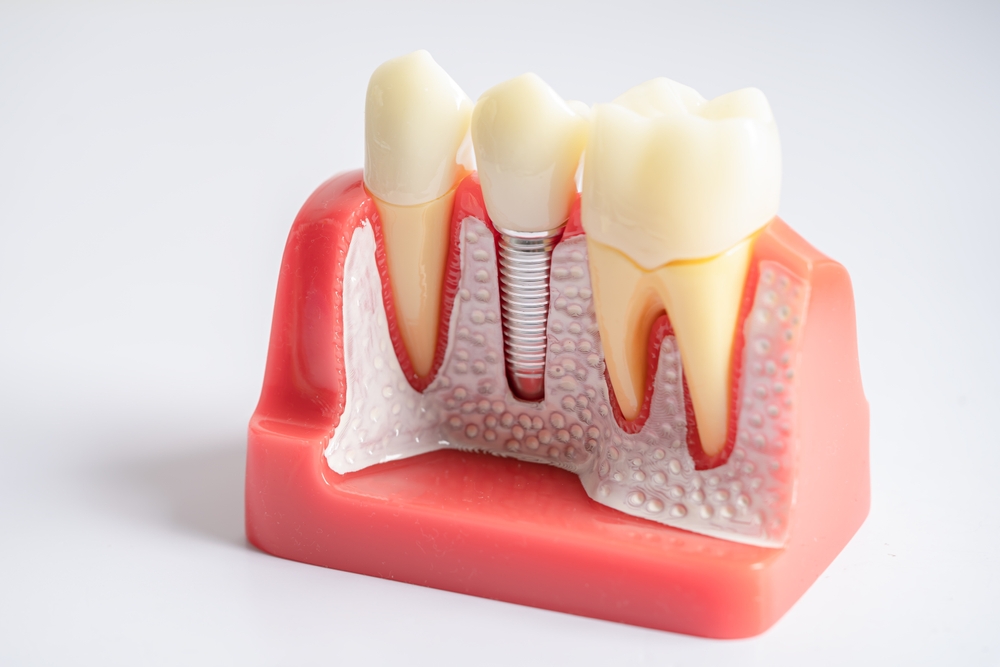
Your dental implant is a titanium post that your dentist attaches to your jawbone with screws. It takes time for that implant to heal. Time for your jaw to properly fuse to the implant – that fusion is what gives your implant long-term stability.
Neglect your implant aftercare and maintenance? You risk infection, failure, and losing all your money.
The encouraging news is that by partnering with an experienced dental implants dentist who provides great aftercare instructions, you have the best chance at success. We are here to take you through every step of the healing process. We also want to help you build the dental implant maintenance habits that last a lifetime.
When implants are cared for consistently, four out of five will last more than 20 years. But neglect them? You could be looking at costly repairs or complete implant failure within just a few years.
The First 24 Hours After Surgery
The first 24 hours are critical to the long-term success of your dental implants.
Your body is working overtime the first day after your surgery. It is beginning the healing process, and a lot of what you do (or don’t do) in that 24 hours sets the stage for the rest of the healing process.
Here is your action plan for day 1:
Keep the pressure on the gauze pad your dentist put over the surgical site for at least 30 minutes. Pressure will help stop bleeding and help the blood clot form. If bleeding continues, bite down on a new gauze pad for another 30 minutes.
Apply ice packs to your face in 20-minute intervals. This will help with swelling and discomfort. It’s a drag, but the less swelling you have, the better.
Eat only soft foods for the first few days. Yogurt, porridge, mashed potatoes, scrambled eggs. Avoid anything that requires serious chewing.
Avoid rinsing, spitting, or drinking from a straw. These actions create suction which can pull out the blood clot from your implant site. You want that blood clot to stay there protecting your implant.
Last but not least, don’t smoke – not even one cigarette. Smoking constricts blood vessels around the surgical site. This restriction of blood flow increases the risk of implant failure.
Long-Term Dental Implant Maintenance
Once you pass the initial healing phase, it’s all about maintaining the implant for the long term. The routine is simple, but it requires consistency.
Brush twice a day using the correct technique. Use a soft bristled brush and non-abrasive toothpaste. Clean all the surfaces of your dental implant crown. Pay special attention to the gum line where the implant crown meets the gums.
Floss daily. Food particles and bacteria build up between your implant and surrounding teeth. Use unwaxed tape or implant-specific floss threaders to floss these areas.
You can also consider investing in a water flosser, which can help clean hard-to-reach areas around the implant and is a useful addition for long-term maintenance.
Schedule routine dental cleanings every 3-6 months. Professional dental cleanings remove tartar you cannot remove on your own. Your dental team will also look for early signs of peri-implantitis or implant infection.
Research has shown that 30.2% of implant patients develop peri-implant mucositis, while 9.3% develop the more serious condition peri-implantitis. By keeping up with professional care, your dental team can catch problems early.

Most dentists recommend regular cleanings every 3-6 months for dental implant patients. Some people with higher risk factors need to come in every three months.
Pay attention to what you eat. Do not chew on hard objects like ice, hard candy, or pen caps. Implants are strong, but not indestructible.
Common Mistakes That Damage Dental Implants
Implants rarely fail because of one dramatic event. It is usually a series of small, avoidable habits that accumulate over time.
The most common mistake is using the wrong cleaning tools. Metal instruments, abrasive toothpaste, and hard-bristled brushes can scratch your implant surface. These microscopic scratches create areas where bacteria love to grow.
A big one is also ignoring warning signs. Bleeding gums, pain, or looseness around your implant are not symptoms to wait out. Those are warning signs that something is wrong.
Lastly, skipping dental appointments might not seem like a big deal. Life is busy, and sometimes you just want to skip the dentist. However, regular checkups catch problems early – before they become major and expensive problems.
Grinding your teeth or bruxism puts a lot of pressure on your dental implants. If you are a night grinder, you need to get a custom nightguard. Without one, you are slowly damaging your implants.

Not adjusting your oral hygiene routine. Implants are different from your natural teeth. What worked before might not work as well now, so be sure to adapt to your teeth’s changing needs. Consult your dentist if you are unsure about any adjustments you may need.
Warning Signs That Need Professional Attention
Most dental implant maintenance and care can be done at home. But sometimes, you need professional intervention. And fast.
Contact your dentist immediately if you experience:
- Persistent pain that does not improve with pain medication
- Swelling that gets worse after the first couple of days
- Fever or signs of infection
- Unusual movement in your implant
- Bleeding that does not stop
- Bad taste or odour coming from the implant area
Do not wait for these symptoms to go away on their own. Call your dentist ASAP if you experience these, as early intervention often prevents major complications.
Keeping Implant Care Simple
The formula for long-lasting dental implants is not complicated. It boils down to 3 main things:
- Follow all post-surgery instructions closely
- Practise great daily oral hygiene
- Visit your dentist regularly for professional care
With these, your implants will last decades.
Think of your implants as just like natural teeth. Treat them with the same care, attention, and add in a few implant-specific habits. You will be grinning with confidence for years to come.
With consistent aftercare, dental implants truly can give you a lifetime of confident, comfortable smiles.

