

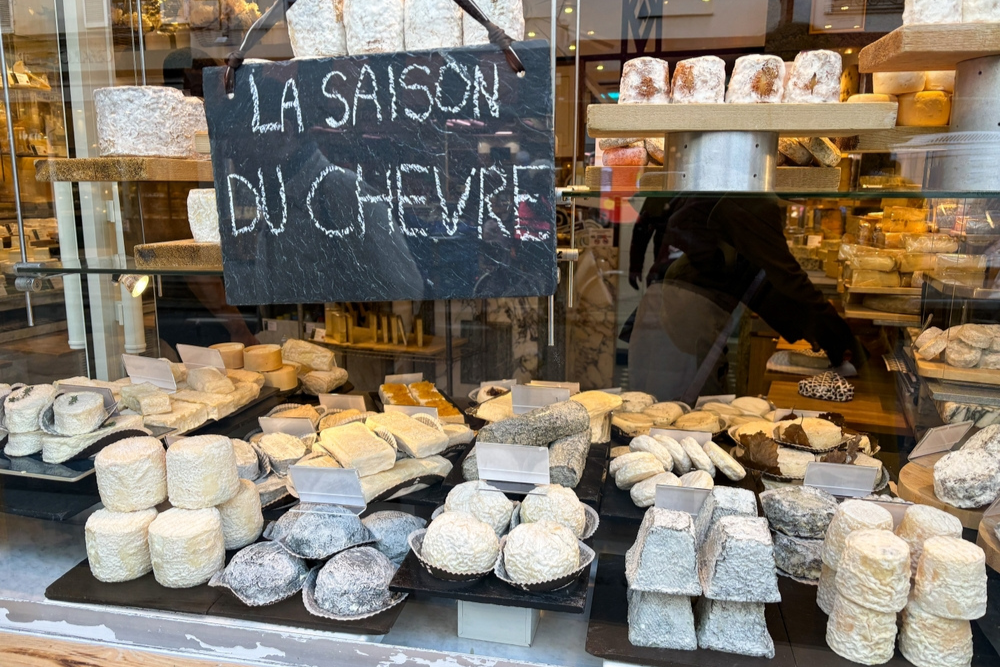
A global recall is underway after contaminated French soft cheese caused deadly Listeria infections, with products distributed to Asia, Europe, and beyond.
A worldwide outbreak of Listeria linked to soft cheese has left two people dead and at least 21 others seriously ill. Health authorities warn that the contaminated cheese was exported widely, including to several Asian countries such as Malaysia, Singapore, Hong Kong, South Korea, Cambodia, and Japan.


The illnesses occurred between December 2024 and August 13 this year, after people ate the infected soft cheese. French investigators have traced the outbreak to a single French manufacturer producing pasteurised cow’s and goat’s milk cheeses.
Some of the affected products include:
- Vieux Porche Buchette (200g)
- Vieux Porche Camembert De Caractere (250g)
- Royal Faucon Camembert De Caractere (250g)
What is Listeria?
Listeria is a bacteria that can contaminate many everyday foods, including cold cuts, soft dairy, seafood and pre-prepared salads.
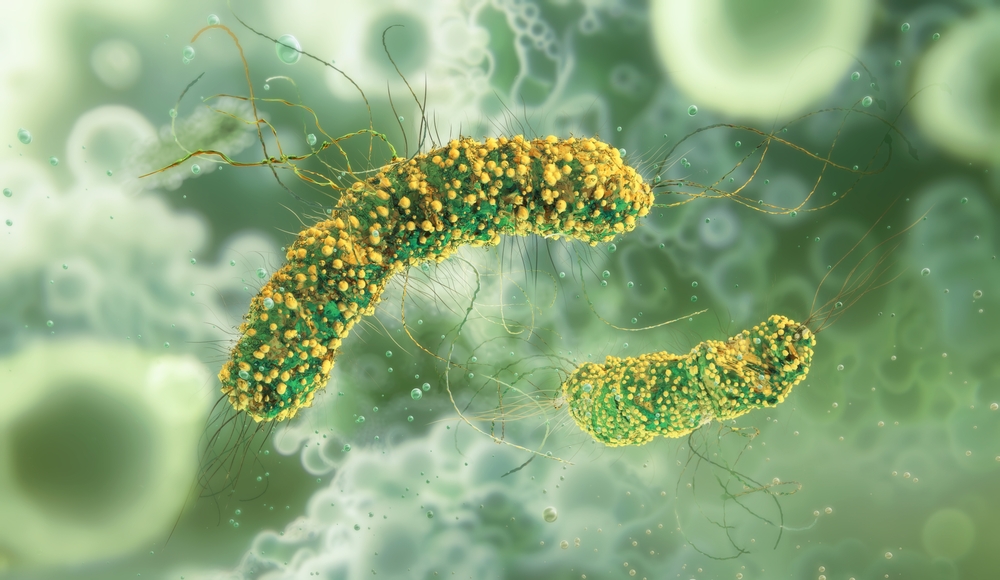
It causes listeriosis – a rare but serious infection that can be life-threatening in vulnerable groups such as pregnant women, the elderly and those with weakened immune systems.
Listeriosis symptoms include:
- Fever
- Chills
- Headache
- Diarrhoea
- Nausea and vomiting
- Muscle or joint aches and pain
- Fatigue
In severe cases, it can lead to bloodstream infection, meningitis, or complications in pregnancy such as miscarriage or stillbirth.
Healthy people rarely become very ill from listeria infection – if you have a healthy immune system and are not pregnant, you will usually feel better in a couple of days without treatment. However, in the vulnerable population, it can cause severe infection and even miscarriage or stillbirth in pregnancy.
Who Has Been Affected So Far?
In France, patients ranged from 34 to 95 years old, with 11 women among them. Cases outside France have been reported in people aged 35 to 70.
The ECDC said: “Contamination of pasteurised soft cheese is a rare event. Most people infected with listeria will experience light forms of gastroenteritis, but pregnant, older or immunocompromised people should pay attention to signs like fever or severe headache and seek medical advice without delay.”
Authorities have recalled the affected cheeses from shelves. The ECDC confirmed that food safety agencies in the countries involved are carrying out control measures, including issuing public alerts to consumers.
This is not the first time Listeria has triggered food safety alerts. In 2023, there was a significant fruit recall due to Listeria contamination, specifically peaches, nectarines, and plums by HMC Farms.
Health experts advise that anyone experiencing symptoms after consuming soft cheese in recent weeks should consult a doctor promptly.

