


As digital burnout reaches record highs across Asia, a new movement is prioritising physical presence over virtual engagement. We explore why analogue wellness is the essential “biohack” for your mental health in 2026.
In an era where AI-generated health advice is everywhere and wearables track our every move, a counter-movement is taking hold. Analogue Wellness is the breakout health trend of 2026, particularly among urban dwellers in Singapore, Hong Kong, and Tokyo who are seeking an escape from digital saturation.


Unlike the short-term digital detoxes of the past, Analogue Wellness is a lifestyle shift that prioritises physical presence over virtual engagement. It is a direct response to digital burnout, a state of mental exhaustion caused by the relentless bombardment of notifications, blue light, and the always-on work culture.
View this post on Instagram
The Growing Digital Burnout in Asia
Asia remains the most hyper-connected region globally, but this connectivity comes at a cost. In Singapore, recent data highlights a significant link between heavy social media use and psychological distress. Research indicates that problematic smartphone use is now a leading contributor to sleep disorders and anxiety across the city-state.
While digital health tools and ChatGPT are taking on a bigger role in your health by providing instant medical info and tracking, many Singaporeans are finding that the most effective hack for their mental wellbeing isn’t another app, but the intentional removal of one.
Anyone else tempted to go back to a more analog life?
byu/Mean_Archangel indigitalminimalism
What Defines Analogue Wellness?
The core of this trend is sensory grounding. By engaging our five senses in the physical world, we can reset a nervous system that is overstimulated by digital inputs. Key practices gaining popularity in 2026 include:
- Tactile Hobbies: A resurgence in pottery, knitting, and manual gardening. These activities require mono-tasking, the act of focusing on a single physical task, which acts as a form of active meditation.
- Paper-Based Productivity: Many are ditching digital calendars for physical journals to reduce tab-switching anxiety and improve memory retention.
- Nature Immersion: This goes beyond a simple walk. It involves “forest bathing” (Shinrin-yoku), a practice backed by science to lower cortisol levels and improve immune function.
The Medical Case for “Unplugging”
From a medical standpoint, analogue activities help shift the body from a sympathetic state (fight-or-flight) to a parasympathetic state (rest and digest). Constant scrolling keeps the brain’s dopamine loop on high alert, which can lead to long-term anxiety.
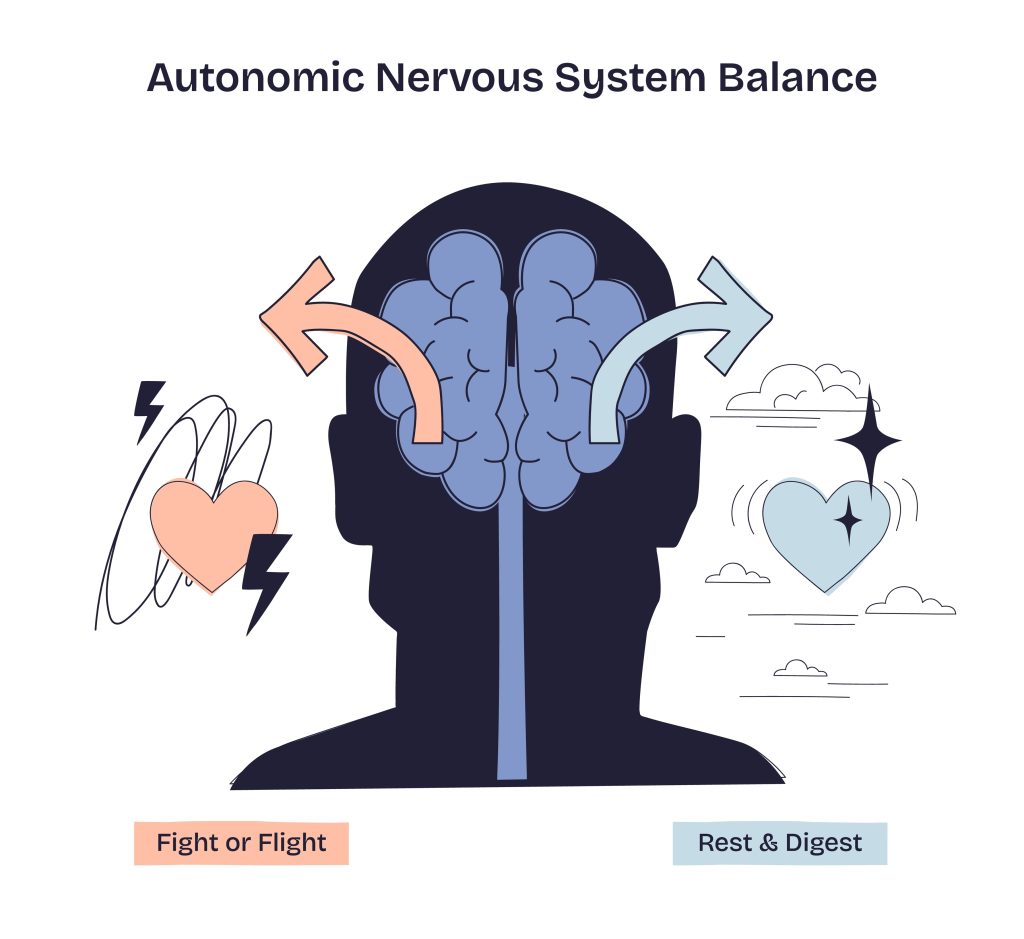
Just as medical researchers are targeting the brain’s pathways to manage pain, Analogue Wellness works by shifting our neural activity. By engaging in tactile tasks, we steer the brain away from the high-alert state caused by digital notifications and toward the neural pathways associated with calm and sustained focus.
The Power of the Collective Pause
The movement has gained global momentum through initiatives like World Digital Detox Day. According to research published in EC Neurology, these intentional periods of disconnection are no longer just breaks, but essential medical interventions for global mental health.
The study highlights that individuals who participated in structured digital detoxes reported significant positive outcomes, including reduced symptoms of anxiety, improved sleep hygiene, and a restored sense of analogue consciousness. By stepping away from the screen, participants were able to break the cycle of dopamine-seeking behaviour, leading to better emotional regulation and a significant decrease in the mental fatigue that characterises our modern, hyper-connected lives.
Integrating the Analogue into the Digital Age
Adopting this trend does not mean becoming a hermit. Instead, it is about creating tech-free sanctuaries. In Singapore, analogue cafes and no-phone zones are transitioning from a niche idea to a mainstream social staple. Establishments like Spectre, a mental-wellness themed bar, host unplugged nights where guests lock their phones in pouches at the entrance. TRYVE also organises Screen-Free Sundays, featuring phone hotels where participants check in their devices to focus on journaling and face-to-face connection.
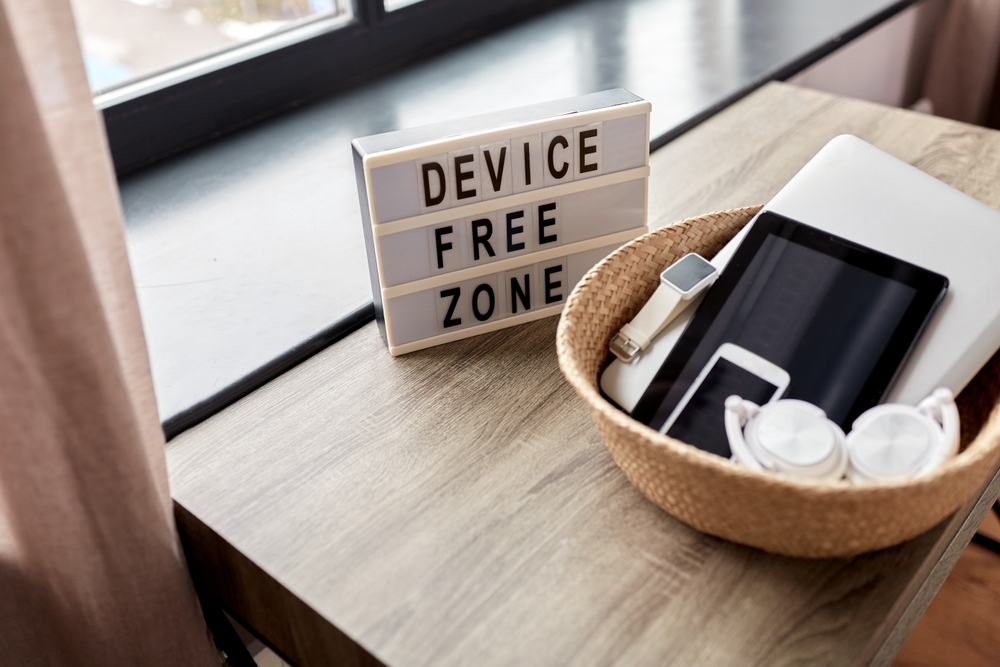
Health experts suggest that even 45 minutes of analogue activity daily can significantly lower blood pressure and improve “deep work” capabilities. Just as physical health requires a balance of nutrition and exercise, our mental health in 2026 requires a balance between digital utility and analogue recovery.
While medical interventions can treat the symptoms of burnout, Analogue Wellness may be the key to reclaiming our focus and mental sovereignty in an increasingly digital world.
References:
- Institute of Mental Health. (2024). National Youth Mental Health Survey: Heavy Social Media Use and High Body Dissatisfaction Linked to Increased Risk of Severe Psychological Distress Among Youths in Singapore. IMH Newsroom. Retrieved from: https://www.imh.com.sg/Newsroom/News-Releases/Documents/NYMHS_Press%20Release_FINAL19Sep2024.pdf
- tatumbrandt. (2025). Yeah I’d pay a monthly membership. Instagram. Retrieved from: https://www.instagram.com/reel/DR3Pc84jZAk/
- Sudhiksha. (2025). Singapore’s Best No-Phone Zones to Unplug and Unwind. TripZilla. Retrieved from: https://www.tripzilla.com/singapores-best-no-phone-zones/170278
- Yadav, S. (2024). Global Digital Detox Day: Need of the Hour for World Mental Health. EC Neurology, 17(1). Retrieved from: https://ecronicon.net/assets/ecne/pdf/ECNE-17-01236.pdf
- Thorpe, A. (2026). Crafting Soars as AI Fatigue Drives ‘Analogue Wellness’ Trend. CNN Business. Retrieved from: https://edition.cnn.com/2026/01/18/business/crafting-soars-ai-analog-wellness
- Raypole, C. (2024). Grounding Techniques: 30 Techniques for Anxiety, PTSD, Dissociation, and More. Healthline. Retrieved from: https://www.healthline.com/health/grounding-techniques
- Lwin, M.O., Vijaykumar, S., Fernando, O.N., et al. (2022). A 24-hour Digital Detox: Lifestyle and Well-being Impacts of Mobile Phone Disconnection. Mobile Media & Communication, 10(3). Retrieved from: https://journals.sagepub.com/doi/10.1177/20501579211059502
- Wen, Y., Yan, Q., Pan, Y., Gu, X., & Liu, Y. (2019). Medical Empirical Research on Forest Bathing (Shinrin-yoku): A Systematic Review. Environmental Health and Preventive Medicine, 24(1). Retrieved from: https://environhealthprevmed.biomedcentral.com/articles/10.1186/s12199-019-0822-8
- Kaimal, G., Ray, K., & Muniz, J. (2016). Reduction of Cortisol Levels and Participants’ Responses Following Art Making. Art Therapy: Journal of the American Art Therapy Association, 33(2). Retrieved from: https://www.tandfonline.com/doi/full/10.1080/07421656.2016.1166832

