

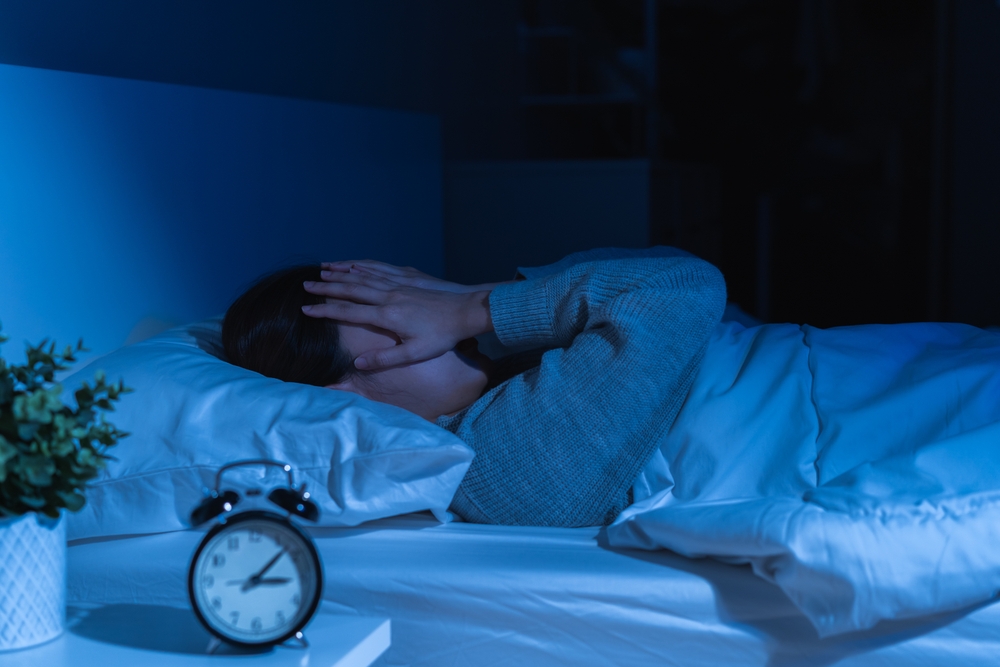
Sleep is meant to be a time of rest, but for some people, the thought of going to sleep triggers stress or fear instead. If bedtime fills you with worry about whether you will fall asleep, stay asleep, or cope the next day, you may be experiencing sleep anxiety.
Sleep anxiety refers to persistent fear or stress related to falling asleep or staying asleep. It commonly occurs alongside anxiety disorders and sleep problems such as insomnia. Over time, this can create a cycle in which anxiety disrupts sleep, and poor sleep worsens anxiety.


Understanding why sleep anxiety happens can make it easier to break that cycle.
What Is Sleep Anxiety?
Sleep anxiety refers to ongoing worry or fear about falling asleep or staying asleep. Some people fear lying awake for hours, while others worry about the effects of poor sleep on their health, mood, or performance the next day.
In some cases, people develop a specific fear of sleep itself, known as somniphobia. This may involve thoughts that something bad could happen during sleep or a belief that staying awake feels safer than letting go.
Anxiety disorders and sleep difficulties often reinforce one another. Ongoing worry can make it harder to sleep, while repeated nights of poor rest can intensify anxiety, creating a loop that feels difficult to escape.
What Does Sleep Anxiety Feel Like?
Anxiety around sleep can affect both the mind and the body.
Emotionally, people may experience:
- Racing or repetitive thoughts at bedtime
- A sense of dread as night approaches
- Irritability, restlessness, or feeling overwhelmed
Physically, anxiety before sleep may trigger:
- A fast heart rate or rapid breathing
- Sweating or trembling
- Tense muscles
- Digestive discomfort
Some people also experience nocturnal panic attacks, which are sudden episodes of intense fear that occur at night and may wake them from sleep.
Why Sleep Anxiety Happens
Anxiety is a natural response designed to keep us alert in threatening situations. However, when anxiety becomes chronic, the body may remain in a heightened state of alertness even at night.
Stress and anxiety increase the release of hormones that raise heart rate and mental alertness. When these hormones remain elevated before bedtime, the body struggles to relax enough to fall asleep. Even when sleep occurs, anxious thoughts may lead to repeated awakenings.
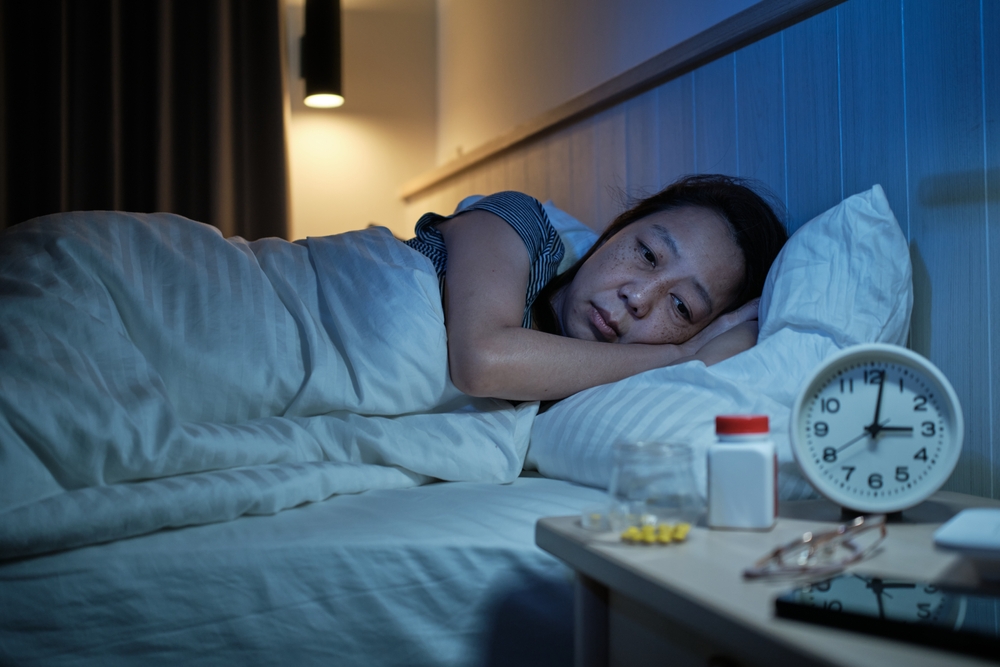
Anxiety can also affect REM sleep, the stage associated with vivid dreaming. This may result in disturbing dreams or nightmares that reinforce fear around sleep.
In some cases, sleep anxiety may be linked to underlying medical conditions. Hyperthyroidism, a condition in which the thyroid gland produces excess thyroid hormone, can increase heart rate, nervousness, and restlessness. These physical symptoms may intensify anxiety at night and interfere with sleep.
Who Is More Likely to Experience Sleep Anxiety?
Sleep anxiety can affect adults, teenagers, and children. While it can occur on its own, certain conditions may increase the likelihood of developing anxiety around sleep.
People with existing sleep disorders may be more prone to night-time anxiety, including those with:
- Insomnia
- Narcolepsy
- Restless legs syndrome (RLS)
- Sleep apnoea
- Sleepwalking
Mental health conditions can also play a role. Night-time anxiety is more commonly reported among individuals with:
- Anxiety disorders, including panic disorder and post-traumatic stress disorder (PTSD)
- Mood disorders such as major depression and bipolar disorder
- Alcohol or substance use disorders
- Schizophrenia
Read also: Sleep Disorders 101: Common Types & Their Causes
How to Break the Sleep Anxiety Cycle
If anxiety keeps you awake at night, the following approaches may help break the cycle between worry and poor sleep.
Limit your time in bed
Spending long periods awake in bed can reinforce anxiety during bedtime. If you cannot fall asleep after about 20 minutes, it may help to get out of bed and do something relaxing in low light, such as reading. Avoid screens, especially smartphones, as their light can be stimulating.
Avoid watching the clock
Constantly checking the time can increase anxiety and make it harder to fall asleep. Turning the clock away or keeping your phone out of reach can reduce the pressure of “trying” to sleep.
Breathing exercises
Slow, deep breathing can help reduce the body’s stress response and ease racing thoughts, making it easier to relax before sleep.
Progressive muscle relaxation
This technique involves gently tensing and relaxing different muscle groups, one at a time. It helps release physical tension and is commonly used for panic, excessive worry, and insomnia.
Writing before bed
For people whose sleep anxiety is driven by worry about unfinished tasks or the next day, writing a simple to-do list before bed may help clear the mind and support faster sleep onset.
Regular exercise
Engaging in regular physical activity has been shown to reduce anxiety and improve sleep quality. Intense exercise is best avoided close to bedtime.
Therapy for anxiety
When anxiety begins to interfere with sleep or daily life, professional support can help address underlying thought patterns and coping strategies.
Therapy for insomnia (CBT-I)
Cognitive behavioural therapy for insomnia (CBT-I) is often the first recommended treatment for insomnia, including cases linked to sleep anxiety. It focuses on changing unhelpful sleep-related thoughts and behaviours and retraining the brain to associate the bed with sleep rather than stress.
Key Takeaway
Sleep anxiety develops when worry about sleep keeps the body in a heightened state of alertness at night. Over time, repeated difficulty falling or staying asleep can reinforce this cycle of anxiety and poor sleep.
Addressing both the mental and behavioural aspects of sleep, rather than forcing sleep itself, can help break the cycle. With the right strategies and support, sleep anxiety is manageable and does not have to become a long-term problem.
Struggling with your sleep and want clearer answers? Explore our Sleep page for practical guidance, medical insights, and real questions people ask about sleep.
You can also take our Sleep Quiz to see how your sleep habits measure up.
References
- National Institute of Mental Health. (2022, April). Anxiety disorders. https://www.nimh.nih.gov/health/topics/anxiety-disorders
- American Psychological Association. (2018, November 1). Stress effects on the body. https://www.apa.org/topics/stress-body
- Coles, M. E., Schubert, J. R., & Nota, J. A. (2015). Sleep, circadian rhythms, and anxious traits. Current Psychiatry Reports, 17(9), 73. https://pubmed.ncbi.nlm.nih.gov/26216591/
- National Institute of Mental Health. (n.d.). Tips for talking with a health care provider about your mental health. https://www.nimh.nih.gov/health/publications/tips-for-talking-with-your-health-care-provider

