


Obesity is one of the most under-treated drivers of cardiovascular disease in Singapore. Experts argue that it needs to be recognised as a chronic condition, not a personal failing, to prevent a looming health crisis.
Every day in Singapore, 22 lives are lost to cardiovascular disease (CVD). By 2050, that number could nearly triple – a trajectory driven not only by age and genetics, but also by one of the most under-treated risk factors in our population: obesity.


How Obese Are Singaporeans?
Obesity is often driven by overeating, sedentary lifestyles, and slower metabolism. It has become a pressing health challenge in Singapore.
Obesity affects about 9% of Singaporean adults aged 18 to 59, and nearly 7% of elderly between 60 to 74. What’s more concerning is that 13% of our youths aged 6 to 18 are also obese. The rise of obesity among younger Singaporeans is particularly worrying, as it sets the stage for chronic diseases to start at an earlier age.
The Obesity Misconception
For decades, obesity has been framed as a moral failure, a result of laziness, poor discipline, or weak will. Not only is this perception outdated; it is also dangerous.
Obesity is a chronic, relapsing condition with complex causes, including genetics, hormones, stress, environment, and socio-economic barriers.
And it carries significant health consequences, particularly for the heart.

“Obesity triggers inflammation, insulin resistance, lipid abnormalities, and hypertension – all converging to accelerate cardiovascular disease.” says Dr Natalie Koh, a Senior Consultant from the Department of Cardiology at National Heart Centre Singapore
“Fat tissue, especially when deposited around the abdomen and internal organs (visceral fat), is not inert. It is metabolically active and releases hormones and inflammatory signals that affect the heart and blood vessels.”
Despite being a well-established contributor to cardiovascular risk, obesity remains marginalised in Singapore’s heart health strategy, and lacks structured treatment pathways. Unlike hypertension or diabetes, it is not routinely included in chronic disease subsidy frameworks such as the Chronic Disease Management Programme (CDMP).
This policy inertia may stem from stigma, but it also reflects an outdated understanding of what effective obesity care looks like.
Beyond the Operating Table
Few understand the consequences of obesity better than Dr Andrew Choong, a vascular and endovascular surgeon and Chief Medical Officer of Protocol Health, a clinic focused on proactive medical weight management.

As a vascular, endovascular and aortic surgeon, he is intimately aware of the downstream vascular complications of obesity.
“In my clinic, I see patients only once the damage has been done: legs already swollen with venous disease, arteries already hardened, kidneys already failing.” says Dr Choong. “The tragedy is not just the disease, but the delay. We are intervening too late.”
Obesity is often the first domino to fall – but by the time most patients receive treatment, multiple systems have already begun to break down. That is why doctors across fields are calling for earlier, structured interventions that go beyond the “eat less, move more” mantra.
GLP-1s: The Emerging Tool for Prevention
A new class of medication is shifting how we approach heart disease prevention, especially in people living with obesity and type 2 diabetes. Known as GLP-1 receptor agonists (GLP-1s), these drugs were originally developed to manage diabetes by improving insulin sensitivity and lowering blood glucose levels.

But their impact goes far beyond glucose control. GLP-1s have shown to be great tools for weight loss, primarily by reducing appetite and slowing down how quickly the stomach empties. It is also known that even moderate weight loss of 13% comes measurable reductions in obesity-related risks, including type 2 diabetes, high blood pressure, sleep apnoea, and more.
In fact, studies have shown that GLP-1s help lower blood pressure, improve cholesterol profiles, and reduce inflammation, all of which are key drivers of cardiovascular disease. Most notably, they have been shown to consistently reduce the number of atherothrombotic events in people with type 2 diabetes. In simple terms, that means they lower the risk of dangerous blood clots forming in the arteries, which can trigger heart attacks or strokes.
“GLP-1 receptor agonists have been a game changer in obesity care,” says Dr Choong. “They do far more than help people lose weight – they improve blood sugar control, reduce inflammation, and are showing benefits for the heart and kidneys.”
Dr Koh echoes the same sentiments. “GLP-1 receptor agonists (e.g. semaglutide) and dual GLP-1/GIP agonists (tirzepatide) yield 15-20% weight loss with metabolic benefits…Semaglutide is proven to reduce cardiovascular events, tirzepatide shows strong heart failure benefit, and multi-agonist drugs on the horizon may offer even more powerful results.”
By targeting both weight and metabolic health, these medications offer a dual benefit: treating the symptoms of obesity and cutting the risk of future heart complications before they occur.
“If obesity is a disease, then GLP-1s are one of the first real disease-modifying therapies we have ever had,” Dr Choong concurred.
Rethinking Treatment from the Ground Up
However, GLP-1s are not a magic fix for weight loss. They work best as part of a structured and holistic programme which includes nutrition, physical activity, and behavioural support. At Protocol Health, Dr Choong and his team approach obesity like they would any other chronic disease – with structure, science, and sustained care.
Patients undergo a full medical and metabolic assessments – hormones, cardiovascular risk, sleep, and mental health. From there, patients are supported by a care team – including doctors, dietitians, exercise physiologists, and psychologists – to tackle both the biological and behavioural drivers of obesity.
This multidisciplinary approach helps improve long-term outcomes, reduce cardiometabolic risk, and move patients closer to sustainable, evidence-based weight management by equipping them with tools that work.
Dr Choong reiterates: “Our goal is not just weight loss, but lifelong cardiovascular health and freedom from disease. In my view, treating obesity early is one of the greatest investments we can make in cardiovascular health.”
Public Perception Still Holds Us Back
Despite available treatments, one obstacle remains: how society perceives obesity.
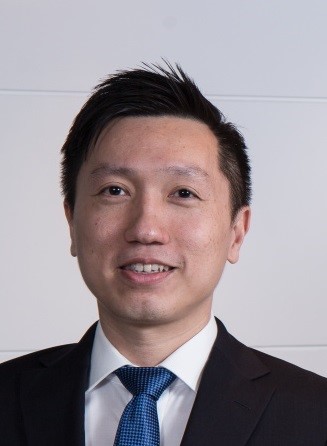
“It is going to require coordinated efforts across the entire community to shift the perception from blame to understanding and support for people living with obesity.” says Dr Tan Choon Kiat, Medical and Regulatory Affairs Lead at Novo Nordisk Singapore.
“Obesity is a major risk factor for cardiovascular events – it triples the risk of heart attack, according to the Singapore Heart Foundation – which is why its management must be treated with the same urgency as other heart-related diseases. ”
For change to happen at scale, Dr Tan believes systemic support must match the science. Singapore has made strides, with national research and public health initiatives drawing attention to the link between obesity and heart disease. But more action is needed on the ground.
“There is still a pressing need for active, sustained interventions that support individuals in managing their weight and cardiovascular risk in everyday life.” Dr Tan explains. “Beyond lifestyle-centered initiatives such as healthy eating and physical exercise, healthcare efforts should also include early screening and, where appropriate, medical intervention by primary care physicians and specialists.”
A New Script for Heart Health
Dr Choong’s experience helming the team at Protocol Health leads him to the same conclusion.
“Early intervention means recognising obesity as a disease in its own right, not as a lifestyle failure. It means screening children, young adults, and at-risk populations before complications set in, and offering structured solutions – from nutrition support to medical therapy – before we reach the stage of bypasses, dialysis, or amputations. The longer we delay, the more we trade prevention for crisis management.”
“In vascular medicine, we never wait for a stroke before treating high blood pressure, and we never wait for a heart attack before lowering cholesterol. Obesity should be no different.”
The solutions already exist – from multidisciplinary preventive health clinics, to novel medications, to public health campaigns that fight stigma. Now is the time to move towards a new script – one where obesity is treated early, seriously, and systematically.
Dr Natalie Koh is a Senior Consultant from the Department of Cardiology at National Heart Centre Singapore.
Dr Andrew Choong is an expert vascular, endovascular and aortic surgeon in Singapore and Chief Medical Officer of Protocol Health. (Socials)
Dr Tan Choon Kiat is the Medical and Regulatory Affairs Lead, Novo Nordisk Singapore.

