


Dental care is often overlooked – but oral health actually plays a big role in heart health, inflammation, and long-term wellbeing. Here is why your health routine is incomplete without it.
Most people who take their health seriously have a routine: They exercise a few times a week, try to eat better, and track sleep, steps, maybe even blood pressure.


But there is one part of the body that quietly gets pushed to the sidelines until something goes wrong: the mouth.
It’s no secret that dental health is severely underrated when it comes to overall health and wellness. What many people still underestimate is how closely oral health is tied to the rest of the body.
What happens in your mouth does not stay there.
Increasingly, research shows that dental health plays a role in heart health, blood sugar control, inflammation, and even long-term healthcare costs. A complete health routine is not really complete if dental care is missing.
The Science Behind Oral Health and Your Overall Wellness
Your mouth is one of the main entry points to your body. It is home to hundreds of types of bacteria, most of which are harmless when kept under control through daily care and professional cleaning.
Problems begin when plaque and bacteria build up along the gumline.
All the bacteria that lives in your gums can make its way into your bloodstream. From there it can travel to your heart, lungs, kidneys… you name it. Tiny oral bacteria can wreak havoc on your entire body.
Researchers from the American Heart Association found that people with gum disease are more likely to have major cardiovascular events than those with healthy gums. Such major events include heart attack, stroke and even heart failure.
That is a huge problem that most people overlook when it comes to dental care.
You may brush twice a day and floss occasionally, yet still have gum inflammation developing insiduously below the surface. A lot of people wait until there is pain before they schedule a dentist appointment. By that time, the damage had been done.
Getting access to quality dental services and making regular dentist appointments is important for catching things early. Whether that be regular cleanings and checkups, or spotting the early signs of gum disease.
Keep in mind, the CDC reports that 1 in 5 adults between the ages of 20 and 64 have at least one untreated decayed cavity.
Why Dental Care is Important (More Than You Realise)
Brushing and flossing at home is great. But you need to take it a step further.
Regular dental check-ups do more than clean your teeth. Dentists are trained to spot early changes that most people would never notice in the mirror.
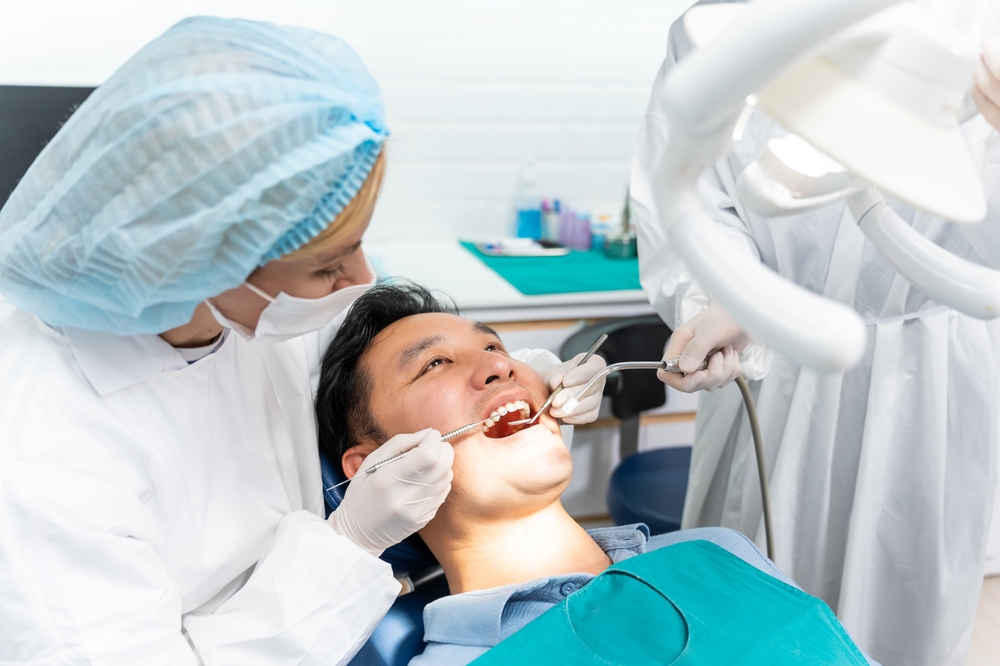
During routine visits, dentists may identify:
- Early stages of oral cancer
- Advanced stages of gum disease
- Symptoms you may be experiencing with other health issues
- Your ability to maintain proper nutrition with healthy teeth
When left untreated, cavities can lead to painful root canals. Small cases of gingivitis (gum inflammation) can lead to periodontitis. It all just keeps getting worse.
Dentists can often detect signs that you may be at risk for other health conditions that have nothing to do with your mouth – from Diabetes to vitamin deficiencies to certain types of cancers.
How Poor Oral Health Affects The Rest of Your Body
The mouth is not separate from the body. Infections and inflammation in the gums can have wider effects.
When bacteria found in infected gums travels through your bloodstream, it causes inflammation all over your body. Chronic inflammation is the leading cause of many different health conditions.
Here are some of the major ways poor oral health can affect you.
Heart Disease
Research has shown a correlation between gum disease and heart disease. The bacteria found when you have an infection in your gums can travel to your arteries, which leads to blockages called plaque build up in your arteries (not the one in your teeth!)
This fatty substance can block vessels and lead to heart attacks and even death.
Diabetes
The relationship between diabetes and gum disease goes both ways. Diabetes can reduce the body’s ability to fight infection, increasing the risk of gum disease. At the same time, chronic gum inflammation can make blood sugar levels harder to control.
Respiratory Disease
Your chances of developing certain respiratory diseases can be increased when you have poor oral health as well, as oral bacteria can be inhaled into the lungs, particularly in older adults or those with existing conditions
Build Your Ultimate Dental Health Routine
Alright, so you are ready to kick your health routine up a notch? A strong dental routine does not need to be complicated.
It needs to be consistent.
Daily Dental Care
Make sure you brush your teeth at least twice a day for 2 minutes. Brushing too hard can damage gums, so apply gentle pressure.
Floss once a day to remove any lingering debris your toothbrush cannot reach. An alcohol-free mouthwash may help reduce bacterial load, but it should not replace brushing or flossing.
Regular Checkups
This cannot be stressed enough. Nothing can replace your daily brushing and flossing routine at home.
Professional cleanings remove hardened plaque that home care cannot. Regular reviews also allow problems to be caught early, when treatment is simpler, quicker, and usually less expensive.
Avoiding the dentist to save money often backfires. Small issues that could have been managed conservatively can turn into procedures that cost far more when left untreated.
Symptoms To Look Out For
If you notice any of the following symptoms, you should try to schedule a dentist appointment as soon as possible:
- Bleeding gums when brushing or flossing
- Persistent bad breath
- Sensitivity to hot or cold foods
- Loose teeth or receding gums
- Jaw pain or swelling
Lifestyle Habits
Everything you eat and drink has an effect on your teeth.
Just like chewing sugar will eat away at your teeth’s enamel. Too much soda, coffee, and alcohol can do damage as well, not to mention smoking and tobacco use has been linked to gum disease.
Dental health is influenced both by what goes into your mouth and how well you care for it afterwards.
Wrapping It Up
Dental health is so important when it comes to overall health. You can diet and exercise. But if you are neglecting your teeth, you are neglecting your health. A complete health routine includes caring for your mouth!

