

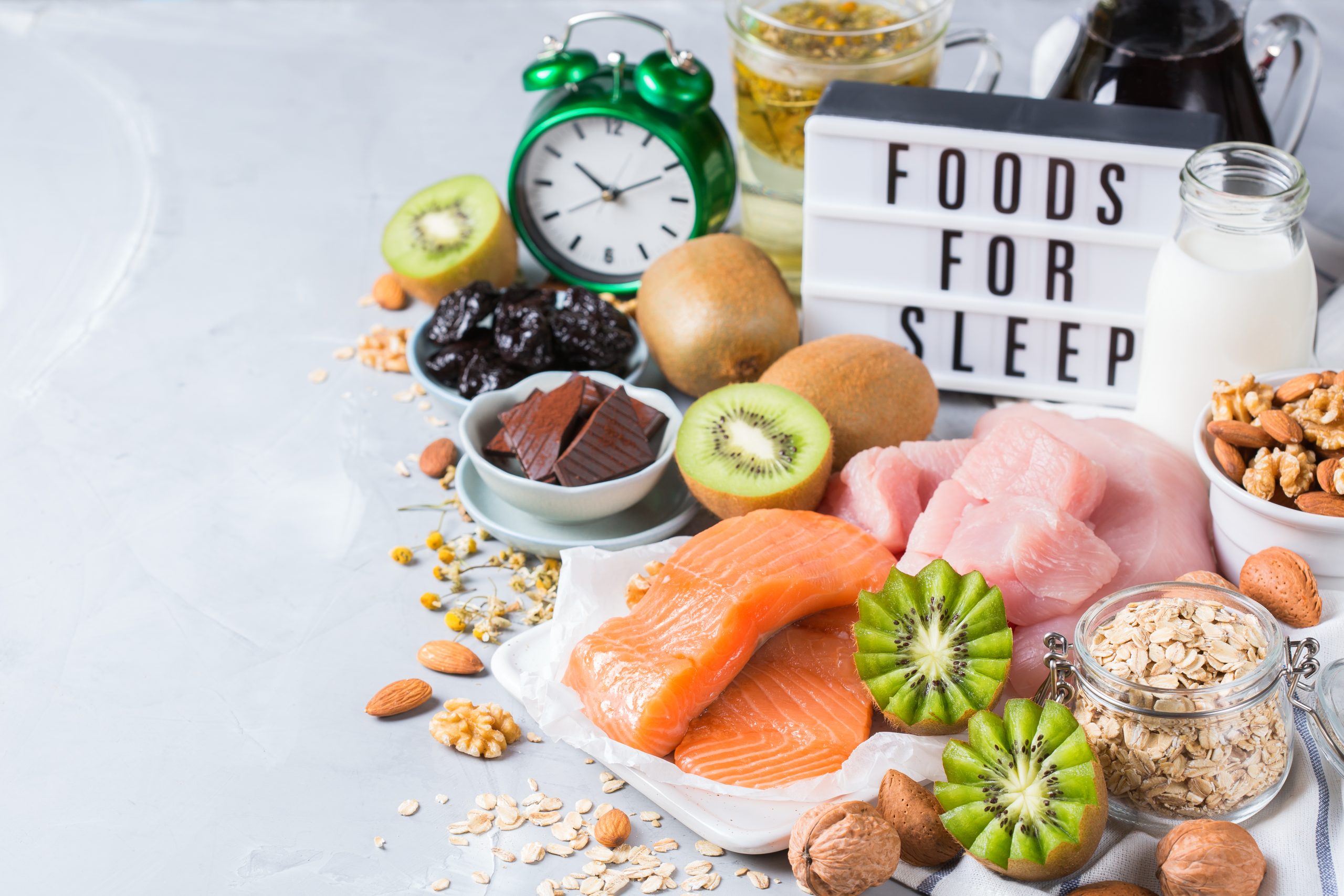
If you are struggling to drift off, the secret may be in your kitchen rather than your medicine cabinet; here are five common foods that support melatonin production for better rest.
When sleep becomes a struggle, many people turn to melatonin supplements as a quick solution. While melatonin can be useful in certain situations, it may not always be necessary, especially for mild or occasional sleep issues.


In some cases, your diet may already provide nutrients that support sleep. Certain foods contain melatonin or help the body produce it naturally, making them a simple addition to your bedtime routine.
How Food Supports Sleep
Sleep is regulated by the body’s internal clock and hormones, particularly melatonin. This hormone is released in response to darkness and helps signal that it is time to sleep.
Some foods may support better sleep by:
- Providing natural melatonin
- Supplying tryptophan, which helps the body produce melatonin
- Supporting serotonin levels and circadian rhythm
While these foods are not a replacement for medical treatment, they may help improve sleep quality when combined with good sleep habits.
1. Nuts and Seeds
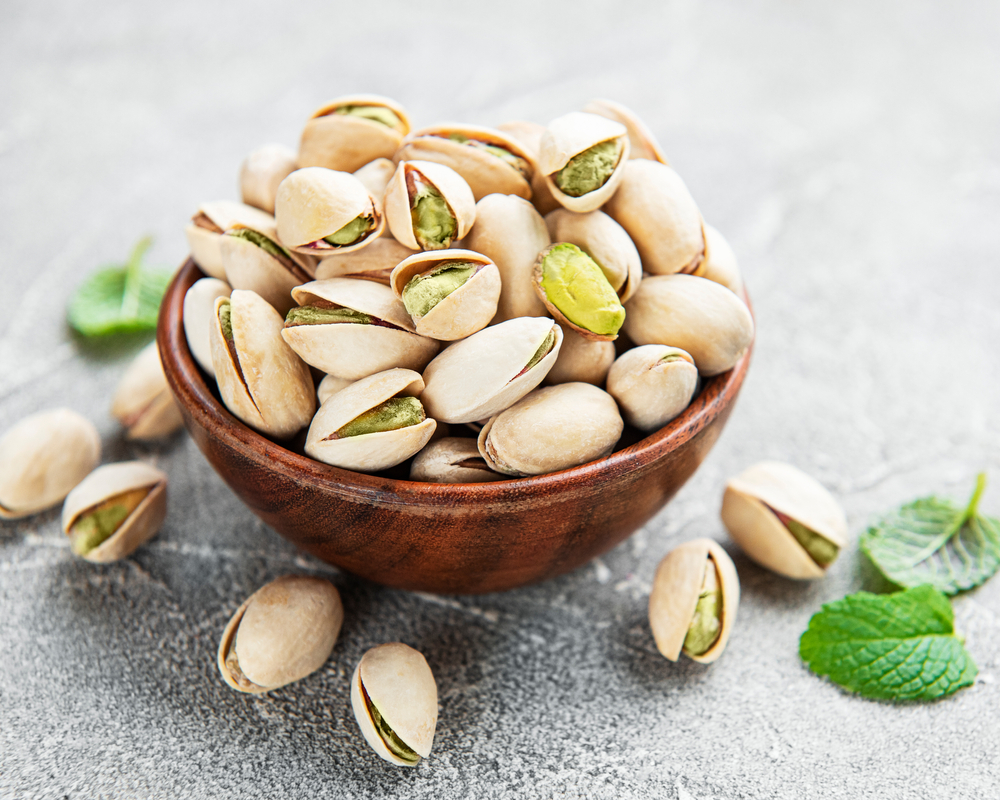
Nuts and seeds contain several nutrients linked to sleep regulation, including melatonin, magnesium, and tryptophan.
Pistachios are one of the richest natural sources of melatonin among nuts. They are also high in vitamin B6, which helps the body produce both melatonin and serotonin (a chemical involved in sleep and mood regulation).
Other nuts such as walnuts and almonds also contain melatonin, along with heart-healthy fats. Meanwhile, peanuts and pumpkin seeds provide tryptophan, and options like cashews and sesame seeds contain additional sleep-supporting nutrients.
How to include it:
A small handful of mixed nuts or seeds as a light evening snack.
2. Certain Fruits

Fruits provide a range of nutrients that support sleep, including potassium, magnesium, and tryptophan. Some also contain natural melatonin or serotonin.
Tart cherries are one of the few natural food sources of melatonin. Tart cherry juice, in particular, has been studied for its potential to improve sleep and relieve symptoms of insomnia. It is also rich in antioxidants and may have anti-inflammatory effects.
Other fruits associated with better sleep include bananas, kiwis, and pineapple, which contain compounds that support sleep regulation.
Tip:
Choose tart cherry juice with little or no added sugar, and consider pairing fruit with a protein (such as cheese) to avoid large blood sugar spikes before bed.
Read also: This Simple Diet Habit Could Improve Your Sleep Tonight
3. Milk and Cheese
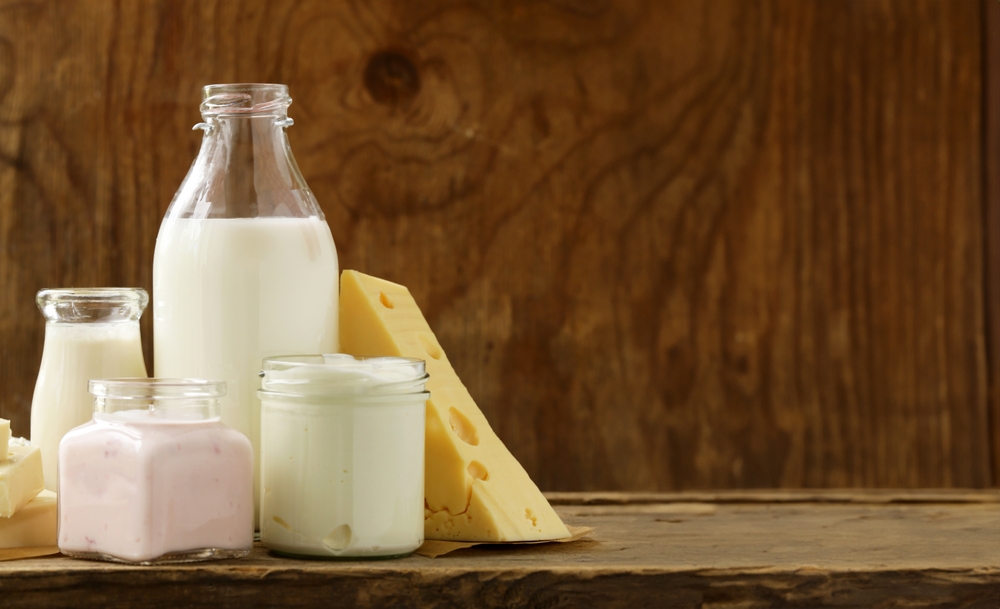
Dairy products are often associated with better sleep and there is some science behind this.
Milk contains tryptophan, along with calcium, which helps the body use tryptophan more effectively to produce melatonin. A warm glass of milk before bed may also have a calming psychological effect.
Cheese, particularly hard cheeses, contains tryptophan as well as nutrients such as magnesium, zinc, and vitamin B6, which help convert tryptophan into melatonin and serotonin.
How to include it:
A warm cup of milk or a light snack like cheese with wholegrain crackers in the evening.
4. Certain Animal Proteins

Protein-rich foods such as chicken, turkey, fish, and eggs provide tryptophan, which supports melatonin production. Eggs also naturally contain melatonin, while foods like fish and poultry provide vitamin B6, an important co-factor in sleep regulation.
Despite common belief, eating a large portion of turkey does not directly cause sleepiness. Instead, regularly including tryptophan-containing foods in your diet may support sleep over time.
It is also worth noting that heavy, protein-rich meals close to bedtime may disrupt sleep, as they take longer to digest.
How to include it:
Include lean protein as part of your dinner, rather than a heavy late-night meal.
Read also: The Tryptophan Effect: The Science Behind Holiday Food Comas
5. Edamame
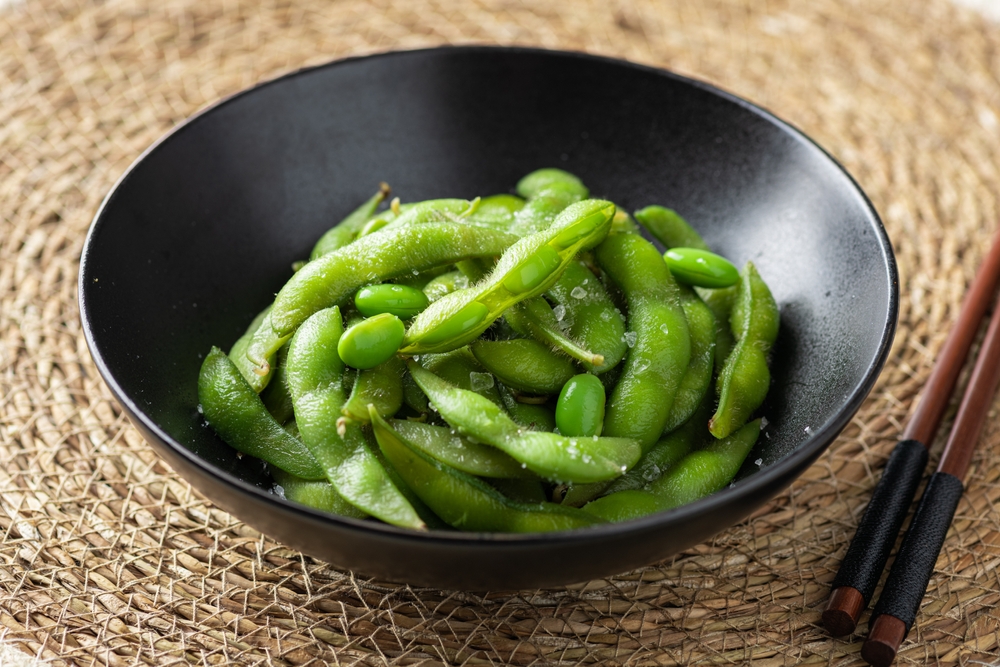
Edamame (young soybeans) is a plant-based source of several sleep-supporting nutrients.
It contains vitamin B6 and tryptophan, both of which are involved in melatonin production. Edamame also contains isoflavones, compounds that may help support serotonin production. Some research suggests that higher soy intake is associated with better sleep quality.
Other soy-based foods such as tofu, miso, and tempeh may offer similar benefits.
How to include it:
Steamed edamame as a light evening snack or part of dinner.
Key Takeaway
Certain foods including nuts and seeds, fruits like tart cherries, dairy products, animal proteins, and edamame contain nutrients that support melatonin production and overall sleep regulation.
While they are not a substitute for treatment, they can be a simple and accessible way to support better sleep as part of a healthy routine.
Struggling with your sleep and want clearer answers? Explore our Sleep page for practical guidance, medical insights, and real questions people ask about sleep.
You can also take our Sleep Quiz to see how your sleep habits measure up.
References:
- Yurcheshen M, Seehuus M, Pigeon W. Updates on nutraceutical sleep therapeutics and investigational research. Evid Based Complement Alternat Med. 2015;2015:105256. doi:10.1155/2015/105256
- Abou-Khalil R. Nutritional interventions for enhancing sleep quality: The role of diet and key nutrients in regulating sleep patterns and disorders. Food Sci Nutr. 2025;13(12):e71309. doi:10.1002/fsn3.71309
- Barforoush F, Ebrahimi S, Abdar MK, et al. The effect of tart cherry on sleep quality and sleep disorders: A systematic review. Food Sci Nutr. 2025;13(9):e70923. doi:10.1002/fsn3.70923
- St-Onge MP, Zuraikat FM, Neilson M. Exploring the role of dairy products In sleep quality: From population studies to mechanistic evaluations. Adv Nutr. 2023;14(2):283-294. doi:10.1016/j.advnut.2023.01

