


Our attention spans are a lot shorter than they used to be, and it is time to understand why, and what we can do about it.
Ever picked up your phone to check just one notification, then looked up 30 minutes later wondering where all that time went?


Unfortunately, this is all-to-common an occurrence – and one we might not have even experienced over a decade ago. For many of us, gone are the times when we are able to concentrate on finishing a book in one sitting, or get through a two-hour movie without our minds wandering off. Years-long research has shown that our attention spans have been shrinking consistently, and is currently down to a mere 40 seconds.
That is a lot less time than is recommended for us to brush our teeth (which is two minutes, by the way). So what has happened to our attention spans in our modern world – and what is it costing us?
What We Mean by “Attention”
When we give attention to something, it is our brain’s way of deciding what matters. It has two general forms: involuntary and voluntary. Involuntary attention is reactive and automatic. It is the reason we flinch at loud noises, or jerk at bright lights.
In contrast, voluntary attention is our brain’s ability to keep our minds directed at a specific task. When we actually talk about attention, this is the form we are referring to. This is the form that is shrinking – and this process may be attributed to the advancement of the digital age.
The Age of Multitasking and Digital Distraction

Our modern world is flooded with stimuli that constantly competes for our attention. Every ping, scroll and headline is algorithmically designed to hijack our focus, but our brains do not have the capacity to process thousands of information inputs a day.
As such, we have adapted by developing an aptitude for going through information at a faster speed.
According to Dr Gemma Calvert, a professor of consumer neuroscience, this is not necessarily a bad thing. In an era that features an ever-expanding attention economy, there is an advantage in being able to adeptly switch from one task to another, of building this coveted ability to multitask.
“We appear to have changed from deep-sea divers to surface surfers,” noted Dr Calvert in CNA. “But like most things, change comes at a cost.”
When Our Attention Becomes Fragmented
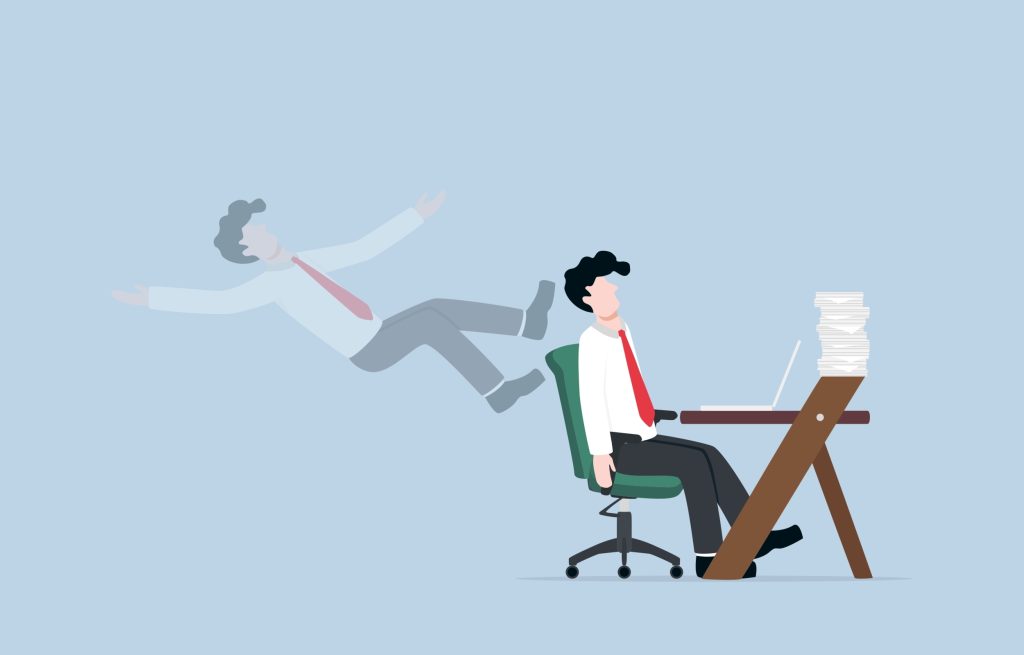
Multitasking, while seemingly a boon to our productivity, can actually impair it instead. This is because we become overloaded on information, resulting in mental fatigue. This has an adverse effect on our working memory capacity and our cognitive performance.
“Research has also shown that people who have high usage of social media are less able to control their demand for short-term rewards, often choosing a small immediate reward over a higher long-term gain, indicating a weakening of the prefrontal control systems (of the brain),” added Dr Calvert.
While many digital platforms today claim to keep you up-to-date on news or happenings, or connected to your social groups, at their core, they are just designed to keep you hooked on them for as long as possible, by feeding you infinite amounts of data to engage your minds. It is intended to exploit a basic neurological loop: dopamine anticipation.
When each swipe or click carries the promise of something new and interesting, our brains start to prioritise novelty over depth. Over time, this can condition us to expect constant stimulation – and it sure shows.
We always have our phones on hand, whether we are waiting for the bus, having some quality time with a toilet bowl, or even walking in the streets. We do not allow ourselves a moment of mental stillness, which means that tasks that require sustained focus can feel unusually effortful, when long ago, this stillness had felt more natural.
Rebuilding Our Attention
Our shrinking attention spans and persistent itch for additional mental stimulation are symbols of how differently we have trained our brains to function in the digital age.
Thankfully, attention is a muscle that can be trained for the better, through strategies meant to enhance our focus.
Do Not Multitask
Our attention is limited by nature, and juggling multiple tasks often only serves to harm efficiency. However, when we focus on a single task, it is not about productivity, it is about respecting our own cognitive boundaries. Your mind can settle into the task, rather than staying on guard for interruptions.
To practise this, start small. For example, when you are reading a book, keep your focus on the text for five minutes without letting yourself get distracted. If you are able to maintain your focus for that long, increase the period incrementally over time.
In addition, be more intentional with your use of technological devices. This can include adjusting your phone settings to minimise disruptions, or even establishing “screen-free” blocks during your day. Remember, attention thrives on continuity.
Get Enough Sleep
Sleep is crucial for cognitive function. While inadequate sleep negatively influences brain health, quality rest helps consolidate memory and ease the way for us to maintain focus throughout the day.
So be sure to follow sleep hygiene practices – including that one on putting electronic devices away before bedtime.
View this post on Instagram
Engage in Mindfulness
Mindfulness training can prove valuable for improving our focus. Regular sessions of mindfulness practices like meditation can trigger greater activity in the prefrontal cortex, the part of the brain which manages thinking and behaviour, and this can induce numerous benefits.
“Retraining your attention systems can lead to greater mental wellness and a sense of being in ‘control’ of your life. This makes you less prone to bouts of anxiety and you are better able to cope with life’s challenges,” explained Dr Calvert. “By re-learning how to stay focused, tasks are more easily completed and memory, cognition and creativity can be enhanced.”
When we nurture our capacity to sustain attention, we are not just rebuilding our focus. We are rebuilding our ability to live in and appreciate the present moment.
References
- Cherry, K. (2025, October 29). What Attention Means in Psychology. Verywell Mind. Retrieved from: https://www.verywellmind.com/what-is-attention-2795009
- De, D., El Jamal, M., Aydemir, E., & Khera, A. (2025). Social Media Algorithms and Teen Addiction: Neurophysiological Impact and Ethical Considerations. Cureus, 17(1), e77145. Retrieved from: https://pmc.ncbi.nlm.nih.gov/articles/PMC11804976/
- Sng, E. (2025, November 6). Gen Zen: My attention span has shrunk over the years. Here’s what can be done about it. CNA. Retrieved from: https://www.channelnewsasia.com/today/mental-health-matters/gen-zen-attention-span-shrunk-what-can-be-done-4633241
- Traverso, V. (2026, January 20). The average attention span has shrunk to roughly 40 seconds. Here’s how to get it back. National Geographic. Retrieved from: https://www.nationalgeographic.com/health/article/attention-spans-shrinking-how-to-regain
- Vermani, M. (2026, January 6). Breaking Bad: Fight Against Attention Deterioration. Psychology Today. Retrieved from: https://www.psychologytoday.com/sg/blog/a-deeper-wellness/202601/breaking-bad-fight-against-attention-deterioration
- Wisniewski, C. (2022, January 24). Understanding Some Basic Components of Attention. Psychology Today. Retrieved from: https://www.psychologytoday.com/sg/blog/younoob-thoughts-digital-growing-pains/202201/understanding-some-basic-components-attention

