

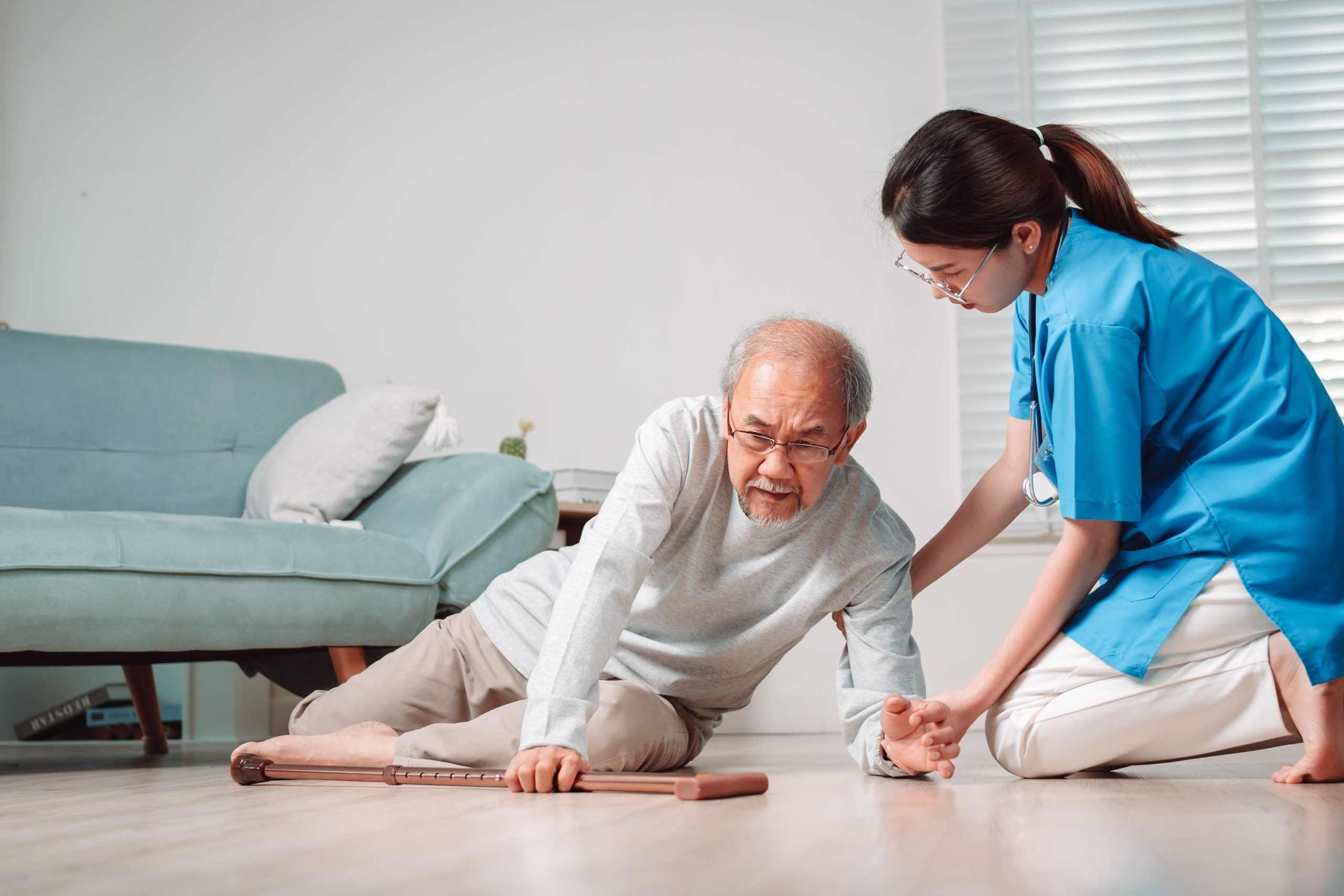
While hand tremors are well known, Parkinson’s disease falls represent a silent, devastating threat that stripping Asian seniors of their independence during their golden years.
As our society ages rapidly, many families are learning to navigate chronic health conditions. Among the top neurological disorders affecting the older Asian public is Parkinson’s disease. In Singapore, for instance, this condition affects approximately three in every one thousand individuals aged fifty and above. While many people associate this illness with shaking hands, the invisible or less discussed symptoms often present the greatest dangers.


For senior citizens diagnosed with Parkinson disease, the risk of falling becomes an everyday hazard. Falls among the elderly are a leading cause of injury and can severely diminish quality of life. For an individual with Parkinson’s disease, a single fall can often mark the start of a difficult cycle that combines physical injury with psychological fear.
Why Parkinson’s Disease Makes Falling More Likely
To understand why falls happen so frequently in those with this condition, we must look at how the disease alters bodily control. Parkinson’s disease affects the brain cells responsible for smooth, coordinated movement. This leads to distinct physical challenges that directly impair balance.
Firstly, the condition causes muscle stiffness and slowness of movement. This means that if a person trips slightly, their muscles cannot react fast enough to steady the body. Secondly, it changes how a person walks. Many individuals develop a shuffling gait, where their feet do not lift completely off the ground. This makes them highly susceptible to catching their toes on rugs, door thresholds, or uneven pavements.
View this post on Instagram
Dr. Preetha Menon, Consultant, Division of Geriatric Medicine at Alexandra hospital notes, “Parkinson’s patients always have some gait abnormalities. More often it is a shuffling gait with small steps and they also have problems with balance over the course of the disease.”
“Another issue Parkinson’s patients can have is the problem of not being able to stop themselves if they lean forward too much or lean backward too much. So we call this anteropulsion and retropulsion. So if they’re not able to stop themselves, even leaning down to pick up something can result in a fall sometimes. ” Dr. Preetha highlights.
A unique and frightening symptom that individuals with Parkinson’s Disease may have is the freezing of gait. This occurs when a person feels as though their feet are temporarily glued to the floor, making them unable to step forward. When the upper body continues to move forward while the feet remain stuck, a forward fall is often the result. These physical challenges are sometimes mistaken for other rare conditions, such as Progressive Supranuclear Palsy, which also causes severe balance issues but carries distinct differences.
The Dangerous Cycle of Immobility
When an older person falls, the immediate physical consequences can be severe. Fractures, head injuries, and severe bruising are common. However, the hidden danger lies in what happens after the physical wounds heal.
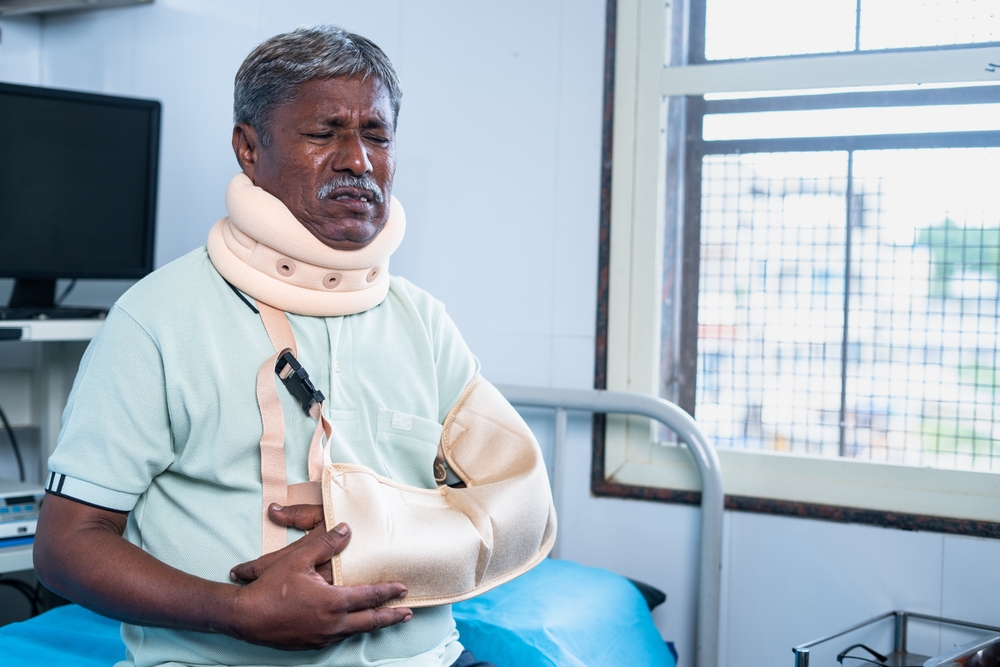
A fall often creates an intense fear of falling again. To avoid another accident, the individual may stop going for walks, avoid family gatherings, and spend most of their time sitting down. Unfortunately, this lack of movement triggers a rapid decline in physical strength. Research indicates that older adults can lose a significant amount of muscle mass and strength within just one to two weeks of reduced activity.
This muscle loss creates a dangerous cycle. As muscles weaken from disuse, balance worsens, which ironically makes another fall far more likely. Recent medical studies suggest that muscle tissue can actually retain a molecular memory of inactivity, making it even harder for older adults to bounce back after periods of rest.
Spotting the Early Warning Signs at Home
Families often miss the early signs of balance decline because older parents may try to hide their struggles to maintain independence. Healthcare professionals call this masking. To catch these issues early, family members must observe daily habits during shared time.
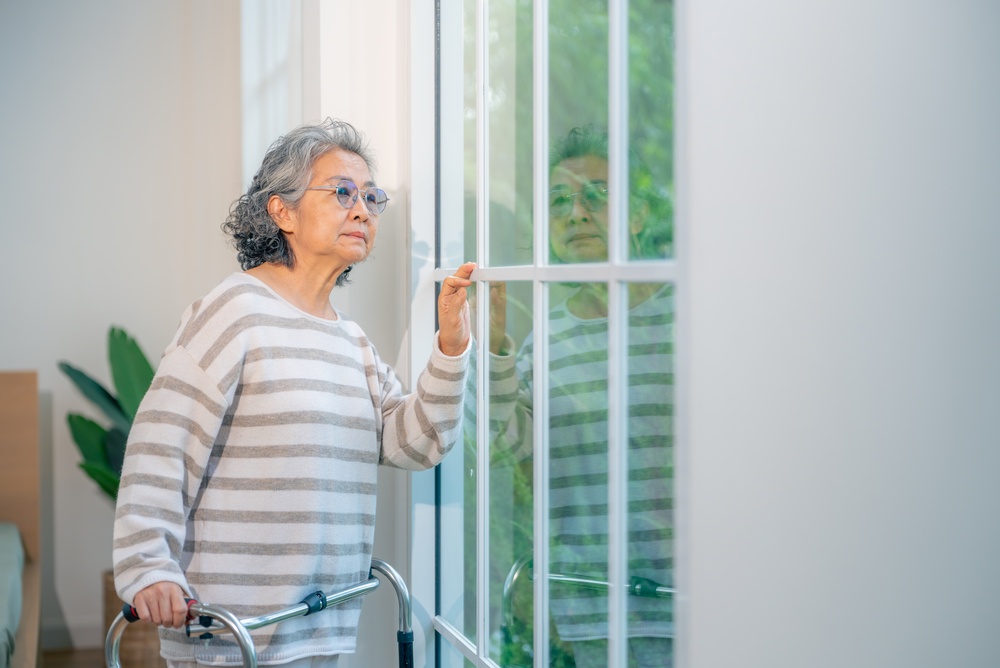
If you notice significant hesitation or unsteadiness, it is time to seek professional medical advice. For more practical tips on reducing fall risks at home, you can refer to the comprehensive guide on three key fall prevention tactics to lower hazards for seniors.
Reclaiming Confidence in the Golden Years
Falls should never be accepted as an inevitable consequence of growing older or living with Parkinson’s disease. While the physical and psychological threats are real, they are also highly manageable when families take early, decisive action.
By combining home safety modifications, regular physical activity, and professional medical guidance, you can significantly lower the risk of accidents. Protecting your loved ones from falls is not just about avoiding injury; it is about restoring their confidence, preserving their dignity, and ensuring that their golden years are defined by independence rather than fear.
For more expert information and practical demonstrations on managing balance and mobility challenges in seniors, watch this video by Dr Preetha on Parkinson’s Disease in the elderly.
References:
- Ang, G. C., Low, S. L., & How, C. H. (2020). Approach to falls among the elderly in the community. Singapore Medical Journal, 61(3), 116–121. https://doi.org/10.11622/smedj.2020029
- Duncan, R. P., Leddy, A. L., & Earhart, G. M. (2011). Management of balance and gait in older individuals with Parkinson’s disease. Aging Health, 7(2), 205–218. https://doi.org/10.2217/ahe.10.79
- Feng, F., Xu, H., Sun, Y., Zhang, X., Li, N., Sun, X., Tian, X., & Zhao, R. (2023). Exercise for prevention of falls and fall-related injuries in neurodegenerative diseases and aging-related risk conditions: A meta-analysis. Frontiers in Endocrinology, 14, Article 1187325. https://doi.org/10.3389/fendo.2023.1187325
- Marusic, U., Narici, M., Simunic, B., Pisot, R., & Ritzmann, R. (2021). Nonuniform loss of muscle strength and atrophy during bed rest: a systematic review. Journal of Applied Physiology, 131(1), 194–206. https://doi.org/10.1152/japplphysiol.00363.2020
- Medical Channel Asia. (2026, May 19). What happens as Parkinson’s disease progresses? | Dr Preetha Menon [Video]. YouTube. https://www.youtube.com/watch?v=4iZBOsBqRrQ
- Parkinson Society Singapore. (2015). Epidemiological tracking and client care statistics. As cited in G. Tan (2019), The four tiers of health psychology and Parkinson’s disease. Library of Psychology Frameworks. https://library.psychology.edu/wp-files/uploads/2019/03/parkinsons-disease.final_.pdf
- Turner, D. C., Sharples, A. P., & Gallagher, I. J. (2026). Repeated disuse atrophy imprints a molecular memory in skeletal muscle: Transcriptional resilience in young adults and susceptibility in aged muscle. Advanced Science, 13(4), Article e202522726. https://doi.org/10.1002/advs.202522726

