

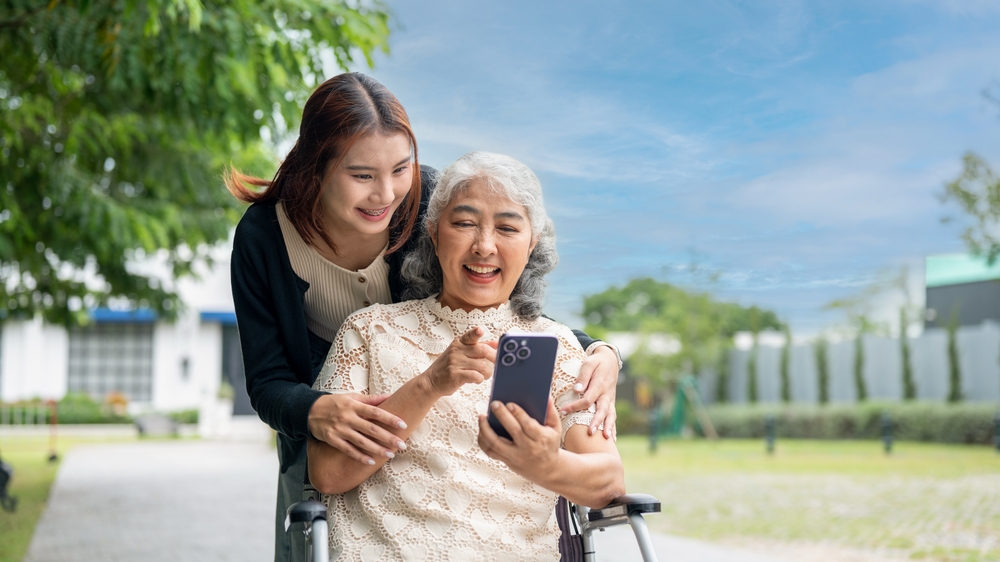
The journey of caregiving is one of the most significant roles a person can undertake, often driven by deep familial devotion and cultural values of filial piety that are central to Asian societies. However, as our loved ones transition into their twilight years, the responsibilities can quickly become overwhelming, spanning from complex medical needs to the emotional toll of witnessing a parent’s decline.
This guide is designed to empower caregivers with practical modern strategies to navigate the intricacies of elderly care. By understanding how to manage physical safety while leveraging AI and digital technology, we can best optimise your loved one’s care with dignity while protecting your own well-being in the process.


Disclaimer: The information provided in this article is for general informational and educational purposes only and is not a substitute for professional medical advice, diagnosis, or treatment. Applications and AI tools are supplementary aids and may occasionally produce inaccuracies. Always seek the advice of your physician or other qualified healthcare providers before making any changes to medications, treatments, or care plans. Do not disregard professional medical advice or delay seeking it because of something you have read here.
Understanding the Financial Landscape for Elderly Care
As the population in Asia ages rapidly, governments across the region have introduced various financial schemes to ease the burden on families. In Singapore, for instance, caregivers can look into the Caregivers Training Grant, which provides subsidies for attending courses to improve caregiving skills. There is also the Home Caregiving Grant, a monthly cash pay-out to help with the costs of caring for loved ones with moderate to severe disabilities.
| Feature | Caregivers Training Grant (CTG) | Home Caregiving Grant (HCG) |
| Purpose | A subsidy to offset the cost of attending approved training courses to improve caregiving skills. | A monthly cash pay-out to help with the costs of caring for loved ones with moderate to severe disabilities. |
| Nature of Support | Annual training subsidy. | Monthly cash pay-out. |
| Target Audience | Caregivers of the elderly or persons with disabilities. | Caregivers of individuals with moderate to severe disabilities. |
| Key Benefit | Provides financial assistance for skill-upgrading in specialised care areas. | Helps defray daily caregiving expenses and medical bills. |
Visit your local community centres or Social Service Offices such as AIC Link offices, Integrated Community Care Providers (ICCP) & Active Ageing Centres (AAC), to understand the specific grants, tax reliefs, and subsidies available. Early financial planning can significantly reduce the stress of long-term medical bills and home modifications.
Leveraging Digital Tools and Artificial Intelligence
In the modern era, technology has become an indispensable ally for caregivers. Mobile applications specifically designed for health management can help you track medication schedules, ensuring that your loved one never misses a dose. Applications like HealthHub SG and SingHealth Health Buddy now serve as a digital command centre, directly syncing with public hospital records to track appointments and medication refills.
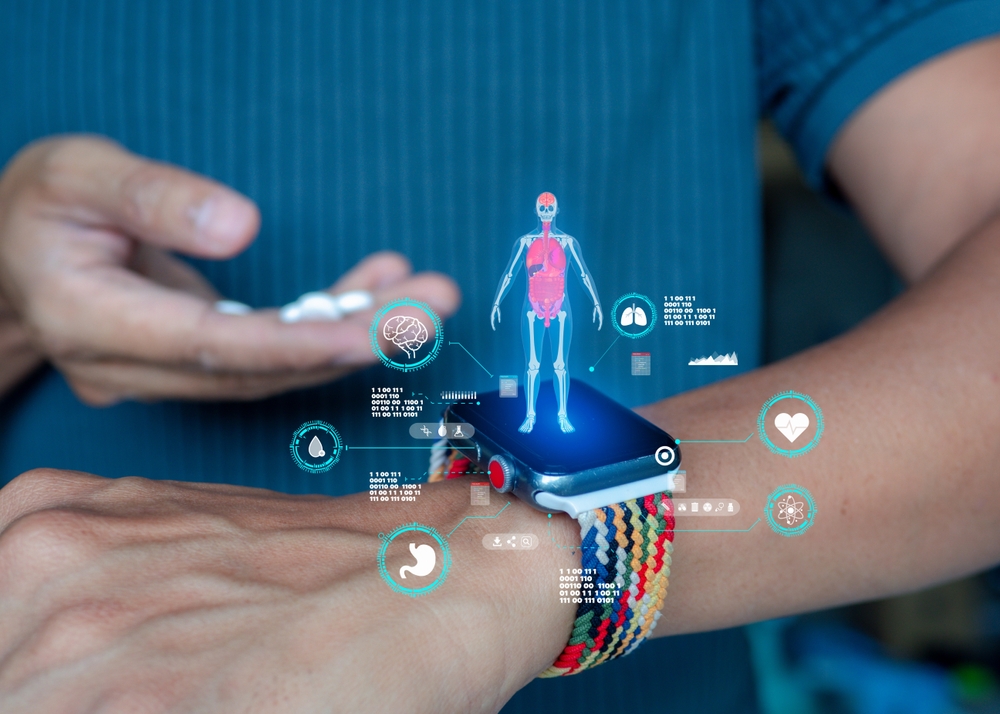
Artificial Intelligence (AI) is also making its mark in elderly care. Smart home devices and AI-powered sensors can detect unusual patterns of movement, providing an extra layer of safety. For instance, if an elderly person remains stationary for an unusually long time or enters a high-risk area like the kitchen late at night, the caregiver receives a notification.
Chatbots and AI assistants can also provide quick answers to common health questions, though they should never replace professional medical advice. You can read more about the evolution of digital health tools to understand how these technologies are shaping the future of care.
Resource Guide: Useful Digital Applications for Caregivers
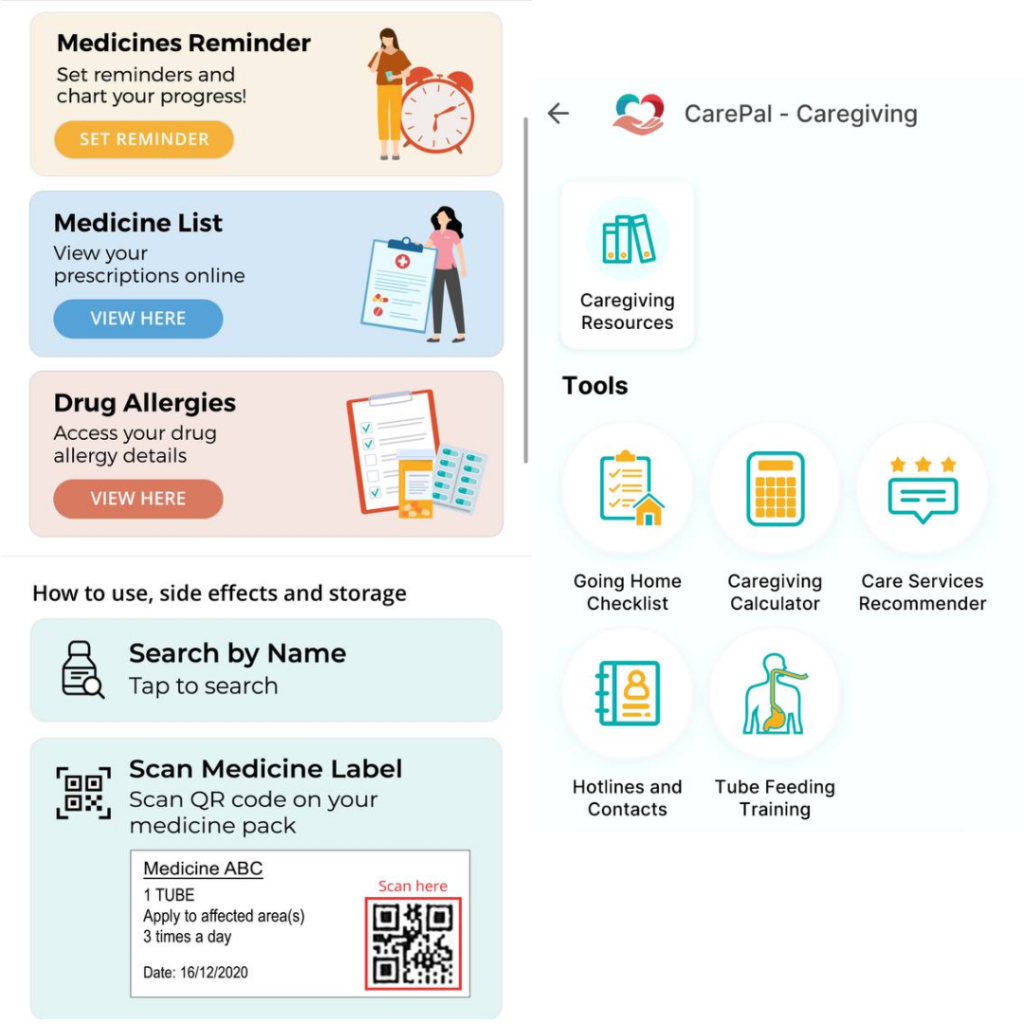
Here is a list of applications that caregivers can use to manage the multiple aspects of their caregiver duties:
| App Name | Primary Function | Key Features for Caregivers |
| MediSafe (Paid) Free Alternatives: | Medication Management | Sends alerts to caregivers if a dose is missed, tracks medication inventory and refills. |
| SingHealth Health Buddy App (Free) Alternative Applications:
| Care Assistant and Medication Management | Track appointments, view test results and reports, set medication reminders, medication refill, answer questions about medications with medicine label scanning function, exercise diary, vital signs tracking, and get answers to medical conditions like symptoms |
| Homage Alternatives: | Professional Care Services | Allows booking of on-demand nursing, therapy, and personal care in Singapore and Malaysia. |
| Advoca, Heidi, Nabla | Medical Scribe | These AI tools allow ambient listening* during doctor appointments, generating a clinical summary that explains what the doctor said in plain English. *Please do ask for the physician’s consent before recording |
| Life360, iSharing | Safety & Location | Provides real-time location tracking and arrival/departure alerts for elderly family members who wander. |
| Caring Village | Coordination of Caregiving in a Family | Helps different family members or a domestic helper manage care together. Includes an AI caregiving assistant and a Task Assignment feature to other members of the village. |
Preventing Falls: Home Safety Assessments
Falls are a leading cause of injury among the elderly, often leading to a decline in independence. To prevent these incidents, it is vital to perform a home safety audit. Ensure that all walking areas are clear of clutter, rugs are secured with non-slip backing, and lighting is bright throughout the house, especially in hallways and bathrooms. Installing grab bars in the shower and near the toilet can provide the necessary stability.
It is highly recommended to seek the professional advice of a registered Occupational Therapist (OT). An OT can provide a comprehensive home safety assessment tailored to your loved one’s specific physical and cognitive needs. In Singapore, engaging a healthcare professional is often a prerequisite for applying for government subsidies like the Seniors’ Mobility and Enabling Fund (SMF) or Enhancement for Active Seniors (EASE).
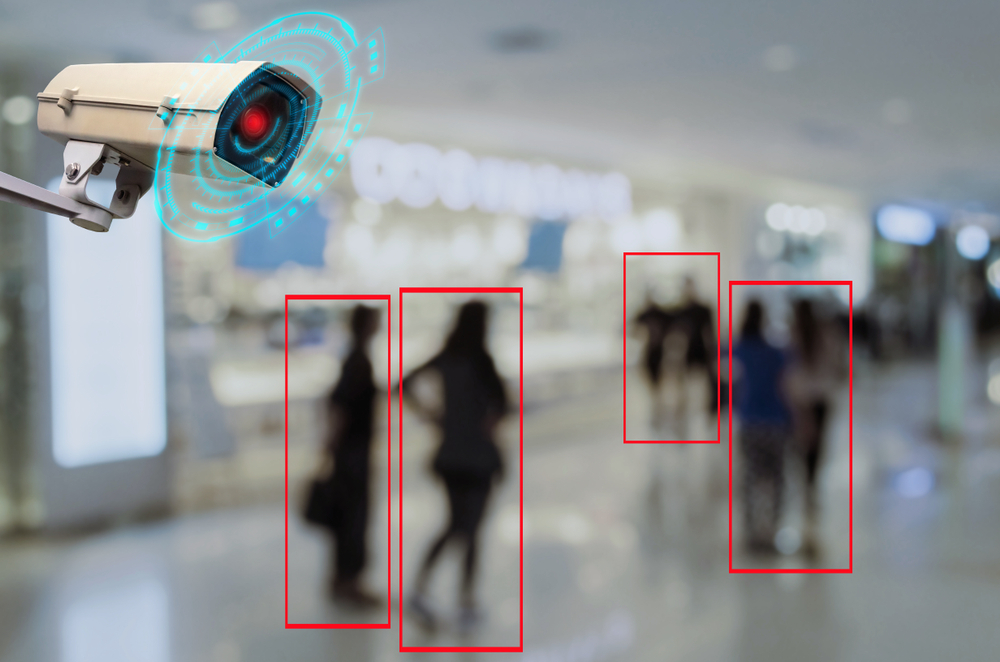
Caregivers can consider using the following devices to protect the elderly:
| Category | Device Type | How it Protects the Elderly |
| Fall Detection | Ambient Radar Sensors | Radar technology detects sudden falls without the use of cameras. This approach maintains privacy in sensitive areas such as bedrooms and bathrooms. |
| Activity Monitoring | AI Vision Hubs | These systems recognise dangerous zones. Caregivers receive an alert if a loved one remains stationary for too long in a high-risk area. |
| Night Safety | Motion-Activated Lighting | Hallways and bathrooms light up automatically when the sensors detect movement. Such illumination reduces the risk of trips in the dark. |
| Pre-Fall Warning | Smart Pressure Mats | These mats identify changes in walking patterns or shuffling. Monitoring these movements may indicate an increased risk of a fall. |
| Kitchen Safety | Smart Stove Shut-Off | Power to the stove is automatically cut if the appliance is left unattended. This feature prevents fires and potential burns. |
| Emergency Help | Voice Assistants | Simple voice commands allow the elderly to call for help hands-free. This function is vital if they cannot reach a telephone. |
| Health Tracking | AI Sleep Sensors | Sensors placed under the mattress track rest quality. They alert caregivers to restlessness that might lead to daytime dizziness. |
Safeguarding Caregivers from Secondary Burnout
Caregiving is a marathon, not a sprint. Many caregivers suffer from secondary burnout, a state of physical, emotional, and mental exhaustion. This often happens when caregivers prioritise the needs of their loved ones while completely neglecting their own.
To prevent burnout, it is essential to practice self-care without feeling guilty. This could mean setting aside thirty minutes a day for a hobby, exercising, or simply resting. Consider respite care services, where a professional caregiver takes over for a few hours or days, allowing you to recharge. Joining a caregiver support group can also provide a safe space to share experiences and receive emotional support from others in similar situations.
Caring for the elderly is a noble yet demanding responsibility. By staying informed about financial aids, utilising the latest technology, ensuring a safe home environment, and maintaining a healthy diet, you can significantly improve the quality of life for your loved one. However, always remember that you cannot pour from an empty cup. Taking care of your own mental and physical health is just as important as the care you provide to others.
References
- Agency for Integrated Care. (2025a). Caregivers training grant (CTG). https://www.aic.sg/financial-assistance/caregivers-training-grant
- Agency for Integrated Care. (2025b). Home caregiving grant (HCG). https://www.aic.sg/financial-assistance/home-caregiving-grant
- Duke-NUS Medical School. (2021). Research brief series: 16 – A profile of family caregivers of older adults in Singapore. https://www.duke-nus.edu.sg/docs/librariesprovider3/research-policy-brief-docs/a-profile-of-family-caregivers-of-older-adults-in-singapore7d8bce89778d432b95b446254d2a2b4a.pdf
- Housing & Development Board. (2025). Enhancement for active seniors (EASE). https://www.hdb.gov.sg/managing-my-home/upgrading-and-redevelopment/enhancement-for-active-seniors-ease
- Henry, R. S., Lageman, S. K., & Perrin, P. B. (2020). The relationship between Parkinson’s disease symptoms and caregiver quality of life. Rehabilitation Psychology, 65(2), 137–144.
- Mehta, K. K., & Vasoo, S. (2000). Caregiving for older adults in Singapore. Institutional Knowledge @ SMU. https://ink.library.smu.edu.sg/rosa_reports/1029
- O’Connor, S., Gasteiger, N., Stanmore, E., Wong, D. C., & Lee, J. J. (2022). Artificial intelligence for falls management in older adult care: A scoping review of nurses’ role. Journal of Nursing Management, 30(8), 3787–3801.
- Tan, S. (2023). Profiles and well-being of older adult caregivers in Singapore. Institutional Knowledge @ SMU. https://ink.library.smu.edu.sg/rosa_reports/1029
- Tan Tock Seng Hospital. (n.d.). Preventing falls and injuries. Institute of Geriatrics and Active Ageing. https://www.ttsh.com.sg/Patients-and-Visitors/Medical-Services/Institute-of-Geriatrics-and-Active-Ageing/Documents/Falls-Booklet-English.pdf
- Thatphet, P., Kayarian, F. B., Ouchi, K., Hogan, T., Schumacher, J. G., Kennedy, M., & Liu, S. W. (2021). Lessons learned from emergency department fall assessment and prevention programs. Cureus, 13(7).

