

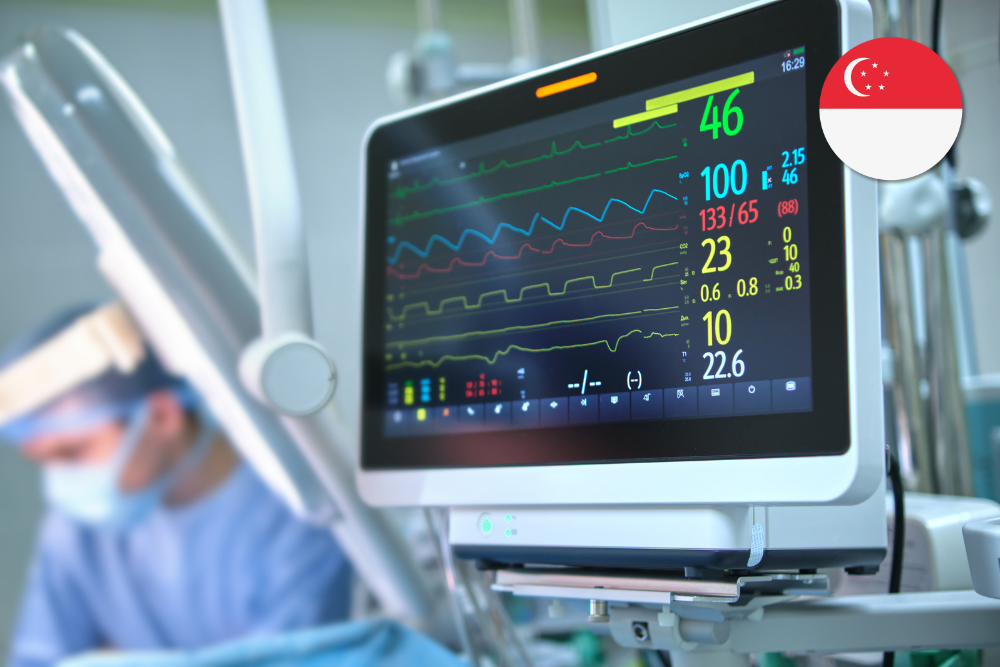
At the Philips APAC Innovation Summit in Singapore, healthcare leaders explored how Philips patient monitoring technologies, AI-enabled systems, and connected data platforms could help hospitals respond to growing workforce pressures and increasingly complex patient care demands.
It is 3am in a high-dependency unit. Monitors flash in different colours. Alarms ring from every corner. A patient’s oxygen levels dip. Another’s blood pressure drops. Somewhere, a nurse calls for help.


For the doctors on duty, it has become routine.
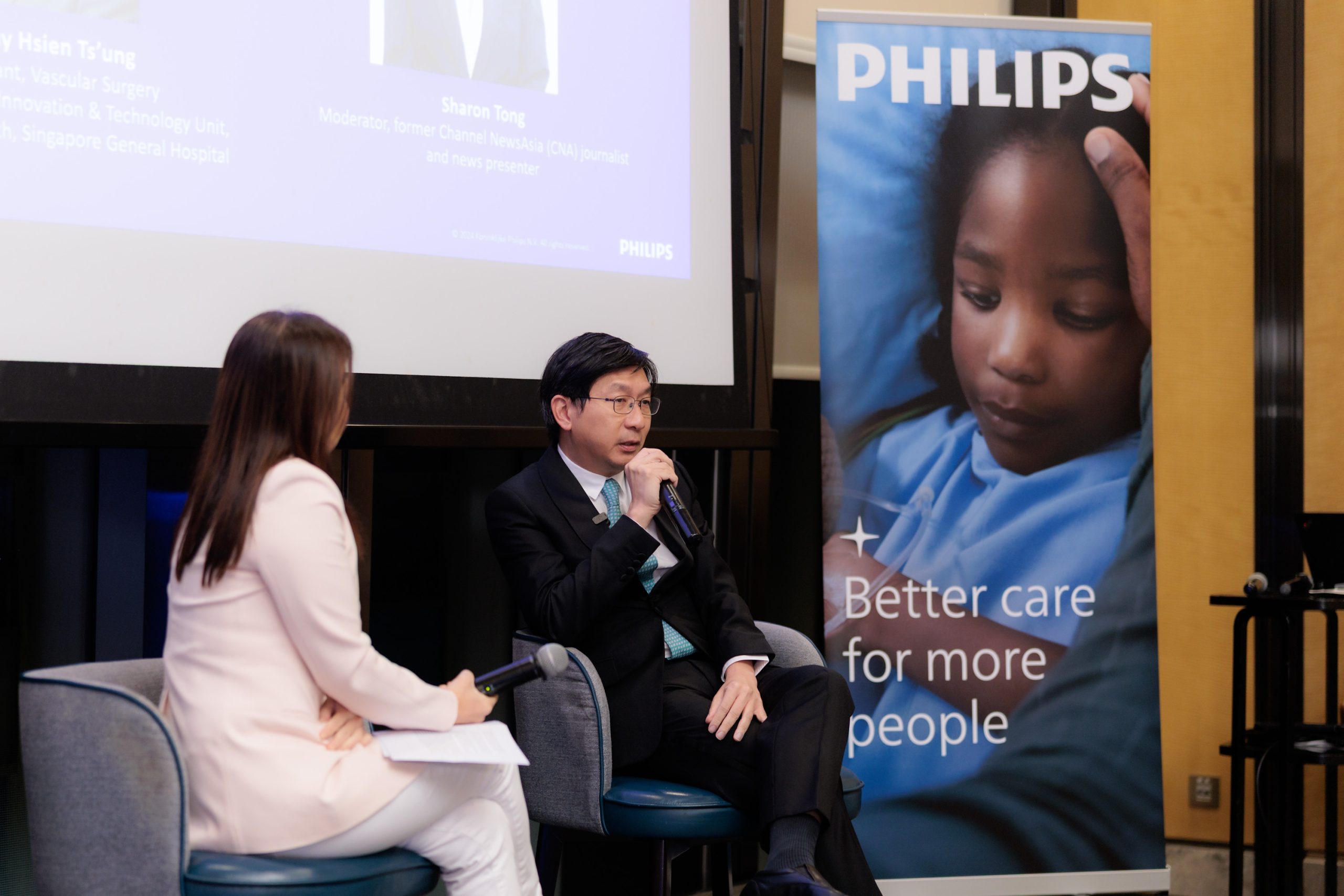
“Everything is beeping… and you kind of tune it all out,” said Dr Luke Tay, Senior Consultant in Vascular Surgery at Singapore General Hospital, speaking at the Philips APAC Innovation Summit in Singapore.
The irony is difficult to ignore. Hospitals today have more data than ever – continuous vital signs, digital records, imaging, alerts. Yet patients can still deteriorate quietly, unnoticed until it is too late.
“The numbers have been trending downwards over the last few hours… how did anyone miss this?” Dr Tay recalled.
The answer, he suggests, lies not in a lack of information—but in too much of it.
Healthcare’s Growing Data Paradox
Across Asia, healthcare systems are under strain. Patients wait weeks to see specialists, while clinicians juggle increasing workloads. Behind the scenes, the volume of data continues to surge.
Healthcare now generates nearly a third of the world’s data, yet much of it remains fragmented or underused. Clinicians often spend valuable time trying to piece together incomplete information—time that could otherwise be spent with patients.
Philips Asia Pacific, which showcased its latest patient monitoring strategy at the summit, argues that the future of care depends on solving this exact problem. Not by adding more devices, but by making data usable.
Catch the highlights from our media experience at the Philips APAC Innovation Summit in the video below:
View this post on Instagram
The shift is subtle but significant: from simply collecting numbers, to turning them into actionable insight.
Translating Alarms to Insight and Action
Traditional monitoring systems were built to alert clinicians when something went wrong. But in practice, not every alarm requires action. In busy wards, this creates a phenomenon known as alarm fatigue. When everything demands attention, nothing stands out.
“If you are already stressed, your tolerance is much lower.” Dr Tay explained, describing environments where constant noise becomes part of the background.
Newer systems aim to filter this noise. Instead of presenting raw numbers, they prioritise meaningful alerts – signals that indicate real risk.
Some tools simplify complex data into visual formats, such as patient avatars that allow clinicians to assess a patient’s condition at a glance. Others use predictive modelling to flag early signs of deterioration, giving care teams a critical window to act.
The goal is not more information, but better interpretation.
The Burden Carried by Clinicians
At the heart of the issue is what doctors describe as “cognitive burden”.
“There is too much data to process…cognitive burden is real,” said Dr Tay.
In high-pressure settings, clinicians must interpret multiple streams of information simultaneously – vital signs, lab results, imaging, clinical notes – often across dozens of patients.
When fatigue sets in, the risk of oversight increases. Patients may appear stable, even as their condition gradually worsens. Dr Tay described this as being “stably unstable”, a state where deterioration is happening, but not yet obvious enough to trigger action.
Reducing this burden is one of the key promises of AI-enabled monitoring systems. By analysing trends over time, these tools can highlight patterns that humans might miss.
But technology alone is not enough. One of the biggest barriers is not capability, but compatibility.
Hospitals often use equipment from multiple vendors, each with its own system. As a result, data is siloed – stored in different formats, across different platforms, with limited interoperability.
Without integration, even the most advanced analytics tools cannot function effectively. Data must first be connected before it can be interpreted. This is where open, interoperable platforms come in: systems designed to pull together data from across departments, and even across hospitals.
The idea is simple: wherever the patient goes, their data follows.
Monitoring is No Longer About the Bedside
At the summit, Philips outlined what it believes is the next major shift in hospital care: moving from isolated bedside monitoring to connected, hospital-wide intelligence systems.
Traditionally, patient monitoring focused on individual devices – monitors attached to a patient in a ward or intensive care unit. But hat model is no longer sufficient for increasingly strained healthcare systems.
Instead, the company is pushing toward what it describes as connected and “insight-driven” care, where patient information flows continuously across departments, care teams, and even post-discharge settings.
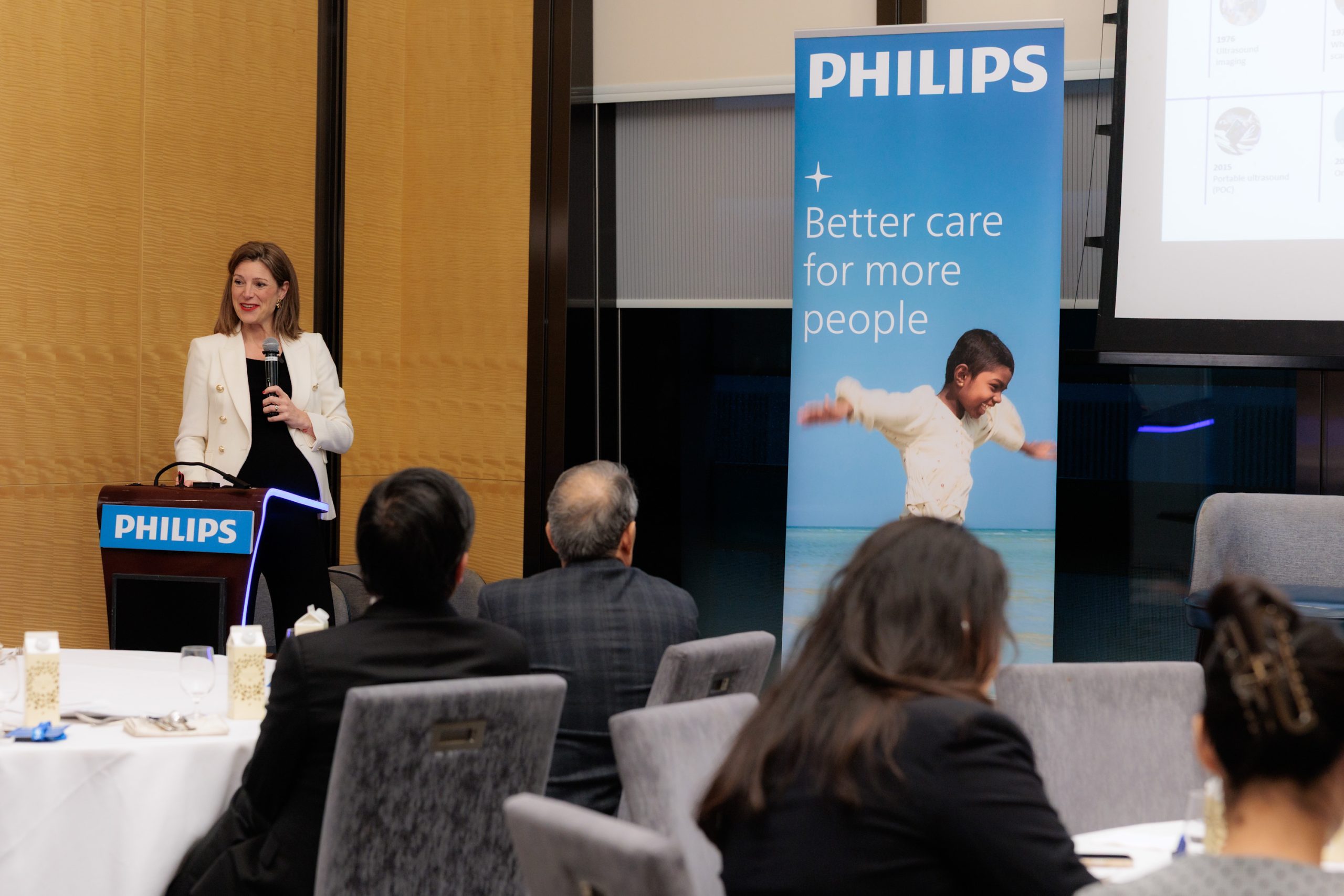
“We go from the bedside to anywhere, from reactive analysis to predictive analysis,” said Stephanie Sievers, Managing Director of Philips Asia Pacific, during her opening address.
Rather than functioning as standalone monitors, newer systems are designed to integrate bedside devices, mobile monitoring, electronic medical records, and even third-party technologies into a single ecosystem.
The aim is not simply to collect more information, but to reduce fragmentation – a growing issue in modern hospitals where clinicians often navigate multiple disconnected systems.
Philips also showcased technologies such as its Enterprise Command and Care Coordination Center, mobile-enabled monitoring tools, and patient avatar visualisation systems, which simplify complex clinical data into intuitive visual representations.
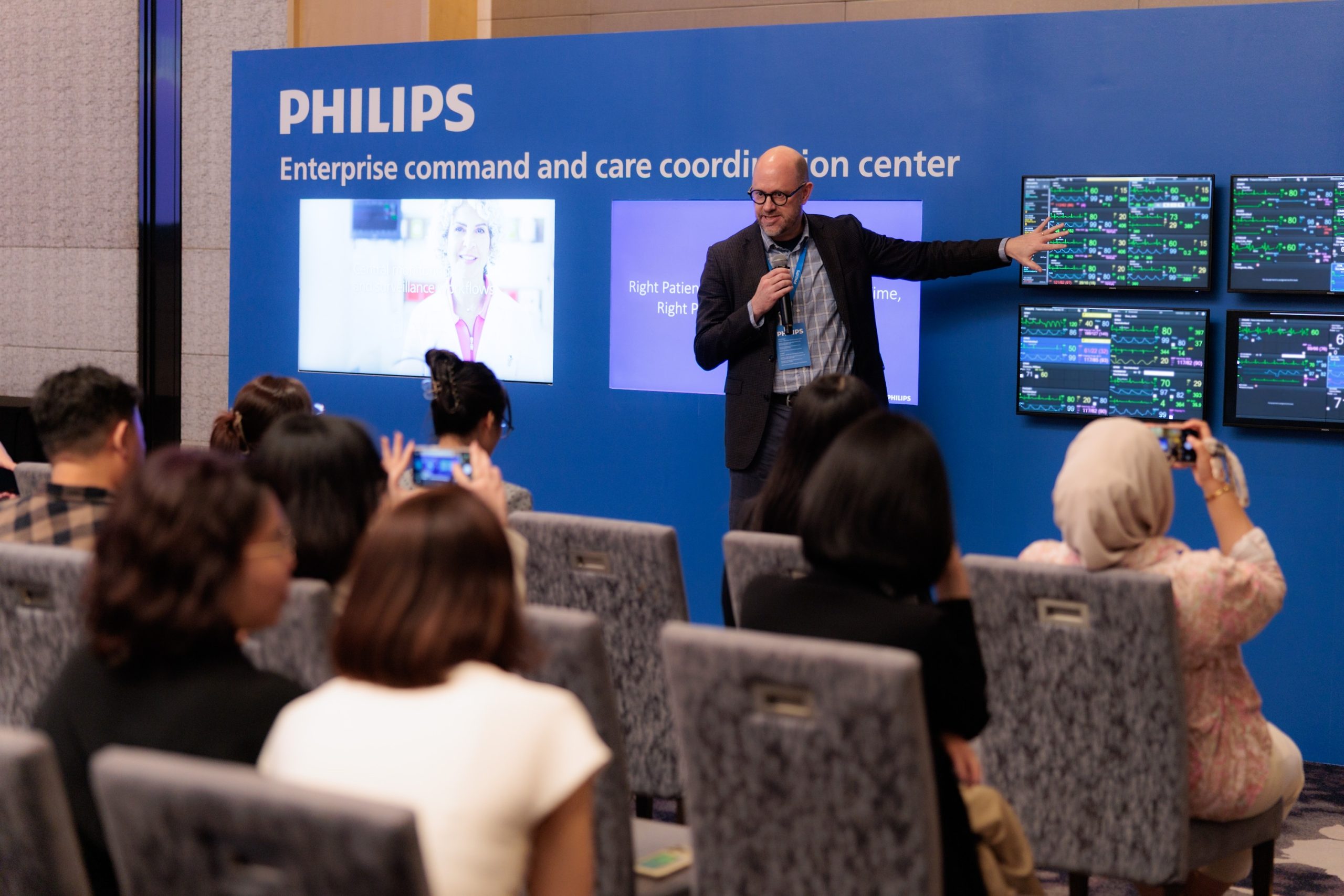
According to Sharad Jhingan, Head of Hospital and Ambulatory Monitoring at Philips APAC, many of these tools were developed in direct response to operational challenges raised by hospitals themselves.
“We listen to our customers, we work with leading hospitals across the region, and that’s how our products really develop,” he said.
The Healthcare Transformation
In Singapore, institutions like Singapore General Hospital are exploring AI-driven tools for areas such as dementia detection, digital pathology, and data-driven diagnostics. These initiatives reflect a broader move towards connected, technology-enabled care.
For all the complexity behind the scenes, patients often remain unaware of these technological shifts.
“I think patients are largely agnostic to the presence of AI,” Dr Tay quipped.
What matters to them is simpler: that they are safe, that their condition is understood, and that someone will act when it matters most. In the end, innovation in healthcare is not measured by how advanced a system is, but by whether it improves outcomes and experiences.
For clinicians, that means fewer missed warning signs. For patients, it means timely intervention and better care. And for healthcare systems already under pressure, it may mean coping and thriving under the increasing healthcare burden of an ageing population.
Because in a world where every monitor beeps, the real challenge is knowing which signal matters most.

