


While medical interventions like CPAP machines are standard, making specific dietary changes and adding targeted foods for obstructive sleep apnoea to your meals can significantly improve your sleep quality.
For many people, a restful night of sleep is the sole expectation. They doze off with ease, and wake up only when the sun has made its appearance in the sky (or when their alarm yanks them from their dreams). However, if you are living with obstructive sleep apnoea (OSA), that is a luxury that seems painfully out of reach, leaving you feeling exhausted during the day, and even leading to more serious long-term health complications.


But what if the key to better sleep lies in something as simple as food? While treatments such as CPAP machines or surgeries are effective, lifestyle changes – particularly dietary choices – can complement medical interventions and get you the shuteye you need.
What Is Sleep Apnoea?
OSA is a sleep disorder that causes you to stop breathing while you are asleep, and its most well-known symptom is snoring.
“What happens is that the airways close up, patients are not able to breathe, and as a result, the oxygenation of their blood reduces and it causes them to wake up and have interrupted sleep,” explained Dr Valerie Tay, an ENT specialist from the Aspire Ear, Nose, Throat and Snoring Clinic.
People who suffer from OSA may stop breathing for several seconds up to hundreds of times a night. These interruptions mean that even if someone with OSA achieves a full six to eight hours of sleep, their body may not experience the quality rest it needs, and this can adversely affect their wellbeing.
How OSA Affects Health
The disruptions to sleep, also known as “micro-awakenings”, mean that those with OSA spend less time in the deep, restorative stages of sleep, which are crucial for functions such as memory consolidation, tissue repair, and immune system support. Moreover, depriving the brain of oxygen can impair the parts that regulate stress and mood. The oxidative stress put on the body can lead to inflammation, further worsening OSA.
These consequences can, over time, result in:
- Greater anxiety and irritability
- Low mood or depressive symptoms
- Reduced stress tolerance and more emotional volatility
- Difficulty maintaining focus or making decisions
However, according to Dr Tay, it does more than affect daily life in terms of energy levels and concentration.
“There are a lot of other effects in terms of your cognition, your memory function, as well as other medical conditions,” she said. “It has been shown to put patients at higher risk of heart problems, diabetes, high blood pressure and even strokes.”
The Role of Nutrition in Sleep
That food plays a central role in our overall health is not ground-breaking news, but its impact on sleep quality can often be overlooked. Certain nutrients found in food can help regulate sleep hormones and reduce inflammation, and this can be critical for those with sleep apnoea.
The foods you eat throughout the day can either enhance or disrupt your body’s ability to enter deep, uninterrupted sleep. For those with OSA, it is important to focus on foods that promote muscle relaxation, ease airway inflammation, and support the body’s natural sleep-wake cycle.
Leafy Greens

Leafy greens are rich in magnesium, a powerful mineral that plays a role in numerous biochemical processes in the body, such as muscle relaxation and nerve function. They are also a good source of antioxidants, and may help reduce the swelling and inflammation in airway tissues.
In addition, they are high in fibre and low in calories, supporting healthier digestion as well as weight management, which is a crucial aspect in easing OSA symptoms.
“For obstructive sleep apnoea, what’s very important that can be modified would be weight loss,” noted Dr Tay. “If you are obese, then your risk of obstructive sleep apnoea is very high. If you lose weight – and I have seen patients who have lost a significant amount of weight – and if they achieve a normal BMI, their obstructive sleep apnoea actually resolves.”
Lean Proteins and Fatty Fish

Proteins that are high in tryptophan, an amino acid that is a precursor to serotonin and melatonin, can have a calming effect on the body, improving sleep quality and lowering the risk of metabolic health issues, which are a common concern in OSA.
In addition, fish, especially fatty varieties like salmon and tuna, which are rich in omega-3 fatty acids, have anti-inflammatory properties, and can lower the frequency of nighttime wakings, and boost sleep quality. Omega-3s are also good for the heart, and have been associated with improved cardiovascular health outcomes.
Whole Grains
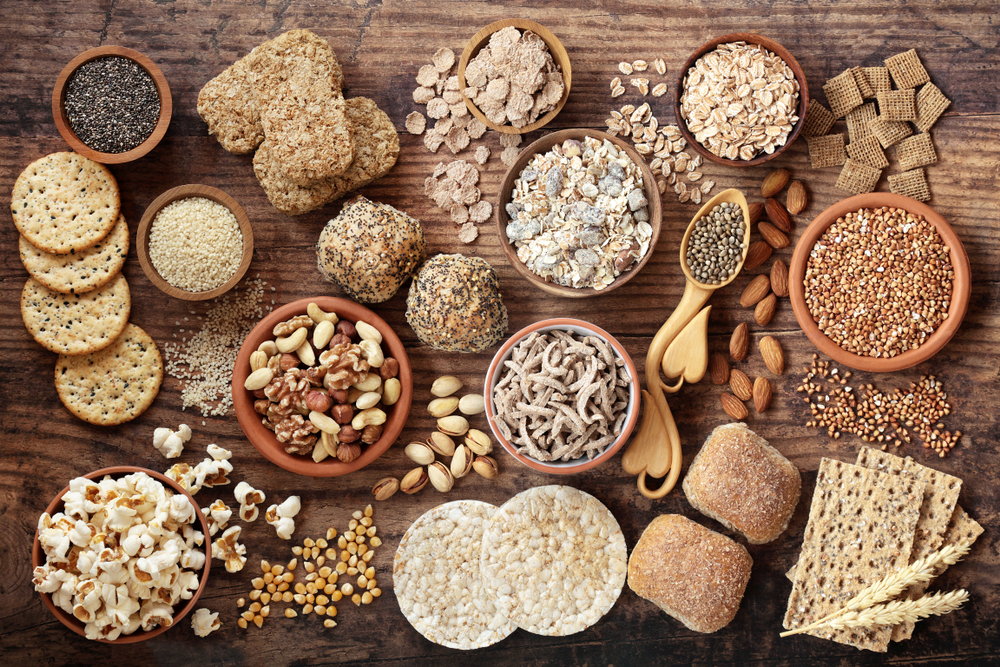
Whole grains are generally higher in fibre. Not only do they support digestions, they also help maintain stable blood sugar levels. As a plus, consuming them helps keep you feeling full for a longer period of time, and this satiety can prevent you from overeating.
Nuts
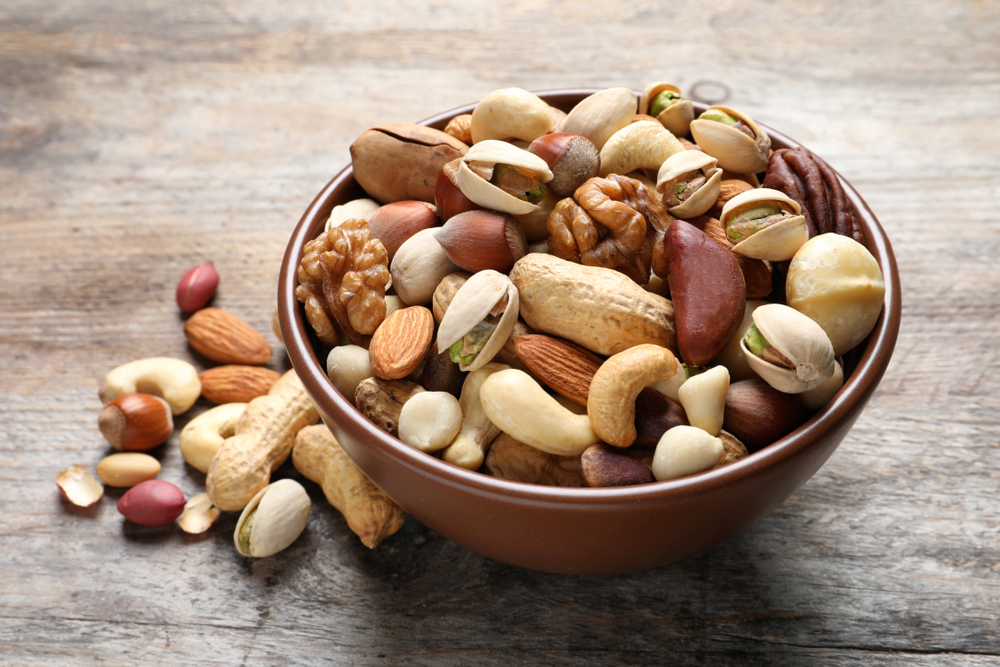
Nuts are packed with nutrients that augment sleep health. On top of being good sources of magnesium, they are also high in protein and fibre, as well as vitamin E, which has antioxidant and anti-inflammatory properties, and melatonin, which helps us adjust our internal body clock and achieve consistent rest.
Berries

Oxidative stress can lead to a build-up of cell-damaging compounds in the body, which has an adverse effect on cardiovascular, metabolic and cognitive health.
However, berries are filled with antioxidants that fight off the free radicals that result in oxidative stress. As a bonus, they are also high in fibre and offer longer-lasting satiation.
It is also recommended to reduce your consumption of:
- Red and processed meats
- Foods high in saturated fat
- Sugary foods and beverages
- Refined carbohydrates like cereals and baked goods
- Alcohol
Too much of these foods and beverages are known to worsen sleep quality, OSA symptoms, and general health.
Nourish the Body, Ease the Symptoms
Remember that OSA does not just sap your energy – it has physical and mental health consequences.
Taking charge of your diet can help transform your sleep, ensuring you wake up with a vitality that everyone deserves to feel.
References:
- Abou-Khalil R. (2025). Nutritional Interventions for Enhancing Sleep Quality: The Role of Diet and Key Nutrients in Regulating Sleep Patterns and Disorders. Food science & nutrition, 13(12), e71309. Retrieved from: https://pmc.ncbi.nlm.nih.gov/articles/PMC12678061/
- Ali, L. M. (2025, October 13). 6 Foods to Try If You Have Sleep Apnea (and 5 Foods to Avoid). GoodRx. Retrieved from: https://www.goodrx.com/conditions/sleep-apnea/diet
- Cleveland Clinic. (2025, January 15). Sleep Apnea. Retrieved from: https://my.clevelandclinic.org/health/diseases/8718-sleep-apnea
- Curtis, L. (2026, February 27). 7 Kinds of Food That Can Help With Obstructive Sleep Apnea. Health. Retrieved from: https://www.health.com/foods-for-obstructive-sleep-apnea-11906344
- Myhre, J., & Sifris, D. (2026, February 11). The Link Between Obstructive Sleep Apnea, Mood Changes, and Chronic Stress. Verywell Health. Retrieved from: https://www.verywellhealth.com/obstructive-sleep-apnea-mood-changes-and-chronic-stress-11900133

