

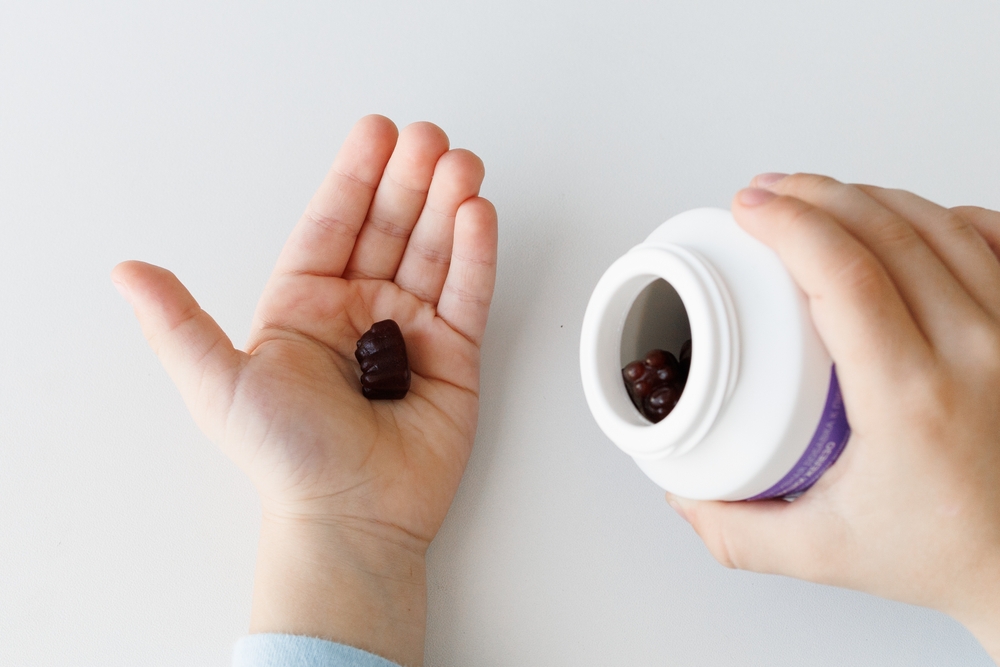
While gummy supplements offer a palatable alternative to traditional pills, their high sugar content and inconsistent potency may undermine their health benefits.
Gummy supplements may be one of the more enjoyable inventions of modern nutritional science. After all, they are chewy, sweet, and promise an easier way to get us the vitamins we need. What is not to love?


But beneath the candy flavours and playful designs lie an important question: are gummy supplements actually a good way to support our health?
The Appeal of Gummy Supplements
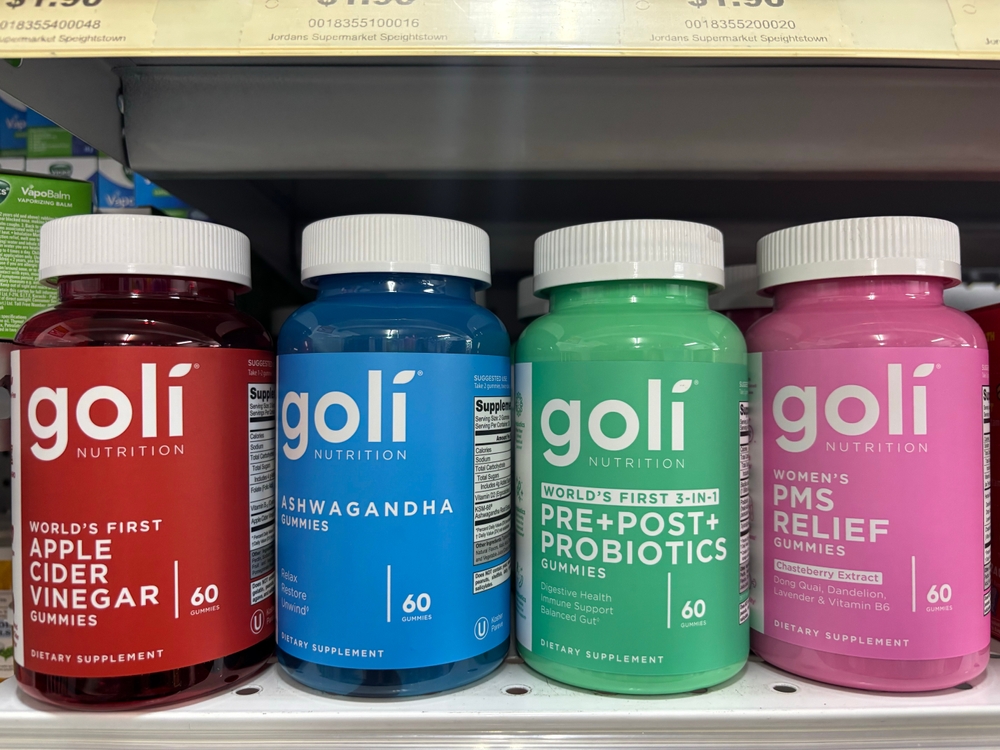
Gummy supplements have long been understood to have a main target audience in children. Yet, it is far from uncommon to find them in an adult’s dietary regimen today.
According to Dr Wang Aiwen, a senior principal clinical pharmacist from Singapore General Hospital, in CNA: “There has been an increased interest in re-formulating medicines and supplements into gummy, sweets or hard candies as palatable dosage form alternatives.”
These days, you can find gummies formulated for multivitamins, melatonin, and probiotics, among others. Part of the draw lies in how approachable they feel. Supplements in the form of pills can sometimes feel a little too clinical, whereas gummies feel like a snack. It is this psychological shift that has further brought supplementation into everyday routines.
Regardless, just because something is made more consumable doesn’t always mean it has retained its original potency. Nevertheless, it is worth acknowledging that gummy supplements do offer some advantages.
Better Taste
When it comes to traditional supplements, the bitter tang it leaves on our tongues means that flavour is likely an aspect about it that we find least appealing. Gummies, however, are typically flavoured with fruit extracts or natural sweeteners, making them far more pleasant to consume.
For some individuals, especially children, this can make the difference between taking supplements regularly and avoiding them altogether.
Easier to Take
Ease of consumption is an obvious benefit of gummy supplements. Many people struggle to swallow pills, including large tablets like multivitamins of fish oil capsules. The chewable format eliminates this issue, making supplementation a lot more accessible.
For busy individuals, the simplicity of it is also a win. You do not even need water – you just chew and go.
Increased Consistency
A regular intake of vitamins is important for us to maintain adequate nutrient levels – and the fact that gummies are tastier and more consumable can significantly improve adherence. At the very least, for those building a new supplement routine, the positive reinforcement it provides can prove valuable.
In this case, gummy supplements do seem like an easy wellness upgrade. However, their formulation presents quite a few challenges.
The Downsides of Gummy Supplements
Despite the advantages, nutrition experts do not always recommend them because they also introduce several drawbacks.
Contains Added Sugar
The sugar content found in gummies is a well-cited concern.
Many contain added sugars and sweeteners to achieve their candy-like taste, and while the amount seems small, they can add up over time, especially if you are already taking multiple supplements daily.
When your diet gets too many sweet treats, it can develop into complications such as weight gain, Type 2 diabetes, and even heart disease. Should your gummy vitamins proclaim to be sugar-free, they may contain other additives that can lead to digestive discomfort.
Comment
byu/breathingMF from discussion
indiabetes
In addition, the sticky texture is not the best for our teeth, so keep in mind that gummies may contribute to dental issues if we do not keep up with our oral hygiene.
Offers Lower Nutrient Stability
Compared to traditional vitamins, gummies have a more limited shelf life and lose their potency over time. Furthermore, the list of vitamins and minerals indicated on a nutrition label may be inaccurate to what is actually comprised in the gummy itself.
“One study on 25 melatonin gummies showed that the actual quantity of melatonin ranged from 74 per cent to 34 per cent of the labelled quantity.” And in Australia, “one melatonin product contained more than 400 per cent of the labelled content and another contained no melatonin at all”, observed Dr Wang.
This means gummies might be a less effective way for us to get our nutrient intake.
A Higher Risk of Overconsumption
The candy-based packaging of gummy supplements means that it is surprisingly easy to eat more of it than is recommended – and this can be particularly concerning for both children and adults.
It is possible to overdose on supplements, and this can result in vitamin toxicity, especially for fat-soluble vitamins like vitamins A and D, thus creating potential health risks.
What to Consider Before Taking Gummy Supplements

Gummy supplements have changed the way people approach daily vitamins, but we cannot deny that they come with trade-offs. So if you still want to retain them in your routine, it is important to keep in mind their limitations, and find ways to minimise them.
Choose From a Reputable Brand
Quality can vary significantly between brands, so look for follow good manufacturing practices and conduct third-party testing.
“While some manufacturers conduct their own testing, third-party validation is preferable for an impartial review,” explained Dr Wang. “Some third-party organisations like US Pharmacopeia (USP) offer unbiased quality evaluation evaluations for supplements.”
Such independent testing gives greater validation and assurance as to the potency and safety of the supplement.
Examine the Nutrient Labels
Compare nutrient amounts between different bottles. If possible, choose those that are lower in added sugar and artificial sweeteners, and try to avoid ones that come with artificial dyes.
In addition, it would be good to speak to a healthcare professional to confirm that you are taking the right dose for your needs.
Practice Good Dental Hygiene
Rinse your mouth after chewing on a gummy. If you take them before bed, try and do so before brushing your teeth so that their remnants aren’t stuck in your mouth for too long.
Gummy supplements do not have to be avoided entirely, but we do need to approach it with mindfulness. Remember that when it comes to supporting your health, the best supplement is not the one that is the most convenient, but the one that can truly meet your body’s needs.
References:
- Cleveland Clinic. (2021, May 14). Do gummy vitamins work as well as traditional vitamins? https://health.clevelandclinic.org/do-gummy-vitamins-work-as-well-as-traditional-vitamins
- Khoo, B. K. (2026, February 20). Something to chew on: Are gummy supplements better than pills? CNA. https://cnalifestyle.channelnewsasia.com/wellness/gummy-supplements-pros-and-cons-578116
- Migala, J. (2024, December 2). Should you take gummy vitamins? Here’s what to consider. GoodRx. https://www.goodrx.com/well-being/supplements-herbs/are-gummy-vitamins-better-than-pills
- Streit, L. (2021, October 20). Do gummy vitamins work? The benefits and downsides. Healthline. https://www.healthline.com/nutrition/gummy-vitamins
- UCLA Health. (2022, December 12). Should you take gummy vitamins? https://www.uclahealth.org/news/article/should-you-take-gummy-vitamins

