

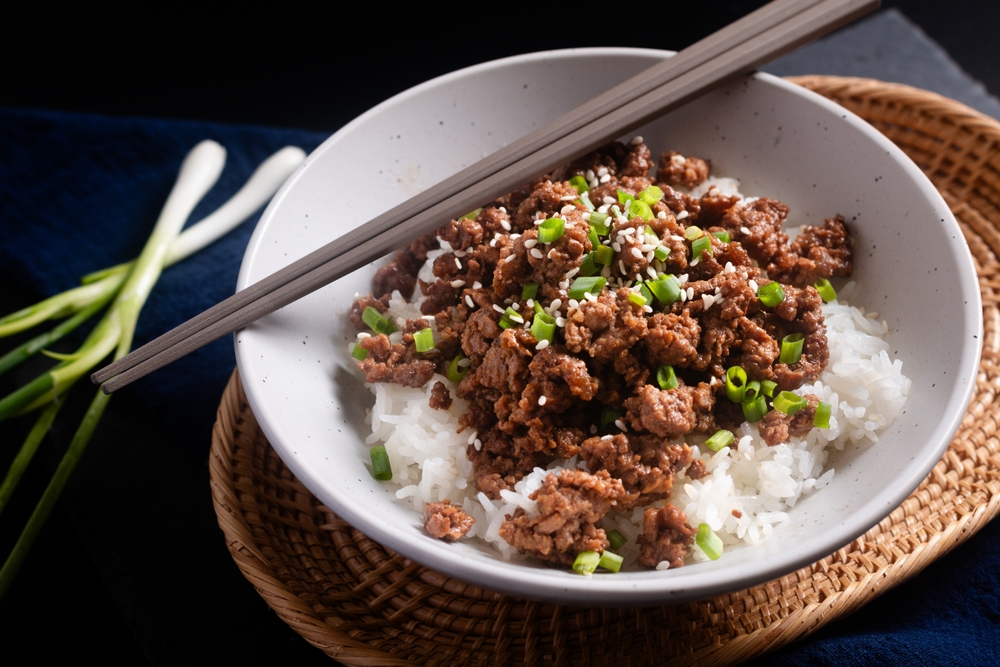
Simple, cheap, and protein-packed, the boy kibble diet has become the go-to meal for fitness enthusiasts, but experts warn it may be missing vital nutrients.
“Boy kibble” may have taken the odd inspiration from pet food, but in the world of everyday nutrition, it is beloved for its ease and practicality.


What if someone told you the next viral food trend featured a bowl filled with rice, ground meat – and not much else? That is boy kibble.
In an era of superfoods and complex diets, one of the most popular meals online now may feel surprisingly…lacklustre. However, this protein-heavy, no-frills spread has become a symbol of efficiency. A scroll through social media will show it being plated proudly by fitness enthusiasts and busy professionals alike.
But is this stripped-down meal a nutritional powerhouse – or just an oversimplified food trend?
What Is “Boy Kibble”
In terms of simplicity, some describe it as the male counterpart to the already-popular “girl dinner”. However, boy kibble is less on a cosy charcuterie board of snacks, and more on protein-density and strength-building.
There are only two main ingredients in boy kibble: white rice and ground meat.
View this post on Instagram
White rice is not renowned for being nutritionally wholesome, other than being an excellent source of carbohydrates. On the other hand, ground meat is rich in a variety of nutrients beyond protein, including fat, iron, zinc, phosphorus, potassium, selenium, and some B vitamins.
But if we had to be honest, the mix of rice and meat is not exactly ground-breaking. We have been eating this in one form or another for most of our lives.
What is new is the branding and hype, and the cultural conversation that is being built around it.
Understanding the Appeal
While it is particularly popular among young men, boy kibble is something women can indulge in too, to support muscle maintenance and growth. The simplicity of this dish makes it easy for anyone to make, and therein lies one of the biggest reasons this food trend has taken off.
It removes the mental load of meal planning, as well as reducing the time and energy that can often go into daily cooking decisions. Since simple homemade meals are often healthier than highly-processed or fast-food options, this trend lifts a significant barrier against home cooking, encouraging people to get more independently involved in food prep.
Furthermore, it is ideal for batch cooking. You can prepare multiple portions at once, storing and reheating them throughout the week. Some people even make enough of this mix to have every day. Combined with the minimal necessary ingredients that go into it, boy kibble can be extremely cost-effective. For anyone trying to hit their fitness goals on a budget, this is a huge advantage.
In addition, this dish is customisable. You can easily build on the basics of rice and meat with other ingredients or seasonings to improve both taste and nutrition.
View this post on Instagram
Nevertheless, for all its convenience and nutritional strengths, boy kibble is not without its trade-offs. The simplicity and consistency that makes it so appealing can also become its biggest weaknesses.
The Downsides of Boy Kibble
A diet built on repetition and minimal ingredients may meet basic needs, but it can fall short in delivering the variety and balance that our long-term health depends on. Just imagine: what if all we ate was rice and meat three times a day, every day?
While protein plays a vital role in biological functions, from building tissue and fighting infections to managing activity and providing energy, our bodies need a fair bit more than that to thrive. A common criticism of the basic version of boy kibble is that it lacks fibre, vitamins and minerals. Over time, this diet can result in nutritional deficiencies.
In terms of the protein content, it is good for us to get 20-30g of it each meal. Boy kibble offers up to 40g of protein, depending on how you make it. For those of us with demanding schedules but irregular or light workout regimes, the amount of protein provided in boy kibble may be a touch too much.
“For most of us, our protein intake should not exceed 1.5g/kg,” advised Jaclyn Reutens, a clinical and sports dietitian with Aptima Nutrition & Sports Consultants, in CNA.
The level of saturated fat in high-protein foods can elevate blood lipids and increase the risk of heart disease if consumed excessively. It could also have an adverse impact on kidney health.
Making Boy Kibble Healthier
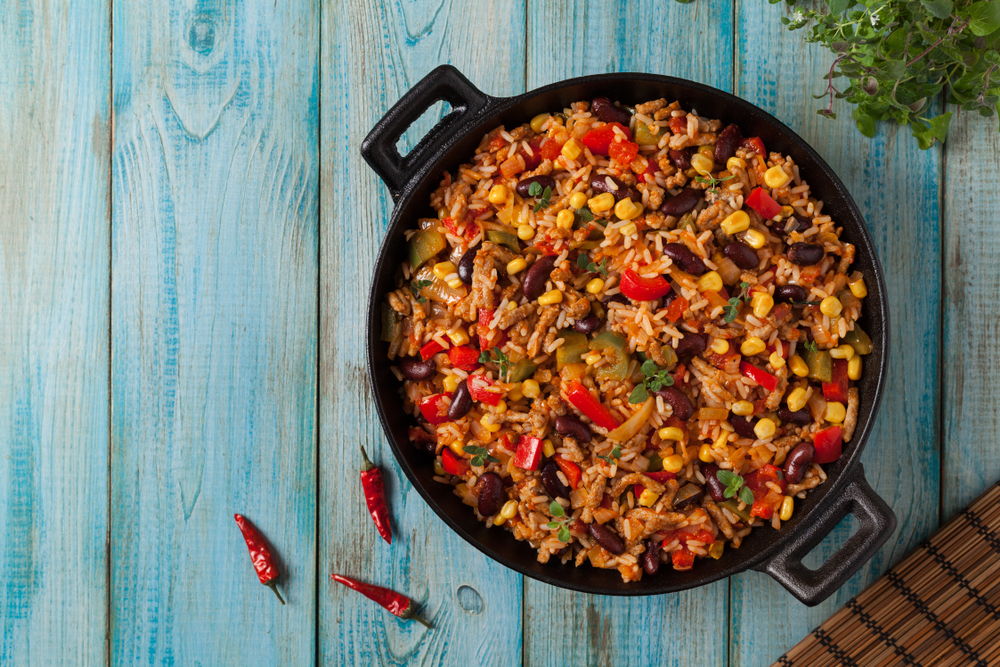
The good news is that the customisation factor of boy kibble makes it incredibly easy to upgrade – and you can start by adding some greens to that beige thing in your bowl.
A healthy diet includes plenty of plants and beans. If you are not comfortable dealing with whole vegetables from a market, using frozen vegetables can still deliver some much-needed nutrition, while maintaining the minimal-effort stamp of boy kibble. Be sure to vary your protein sources – even plant-based proteins like tofu are not difficult to handle and are worth a try. Include healthy fats, such as those from avocado or olive oil, and from nuts and seeds.
In addition, try replacing the white rice with more wholesome grains, including brown rice or quinoa. The point is to be able to mix up your boy kibble regularly. After all, variety is the key to long-term health.
Just remember that while you do not need a complicated diet to be healthy, you do need a balanced one. And if boy kibble gets you cooking at home and paying attention to your nutrition, that is a win.
If you would like to delve a little into boy kibble’s sister, “girl dinner”, click here:
TikTok’s ‘Girl Dinner’ Trend: Healthy or Risky? Exploring the Impact
References:
- Brown, S. (2026, March 23). ‘Boy kibble’ is the latest high-protein trend—here’s how to make it healthier. Verywell Health. https://www.verywellhealth.com/boy-kibble-11928090
- Fuller, N. (2025, November 6). Commentary: Is TikTok right? Do we need to eat more protein? CNA. https://www.channelnewsasia.com/commentary/diet-food-how-much-protein-health-tiktok-trend-5042261
- Hogervorst, E., & O’Donnell, E. (2025, January 23). Processed red meat is not just bad for your heart, it is also associated with dementia. The Straits Times. https://www.straitstimes.com/opinion/processed-red-meat-is-not-just-bad-for-your-heart-it-is-also-associated-with-dementia
- Khoo, B. K. (2024, September 2). Do you really need all that protein for health even if you’re not into working out? CNA Lifestyle. https://cnalifestyle.channelnewsasia.com/wellness/protein-intake-weight-loss-build-muscles-sarcopenia-395336
- Ko, G. J., Rhee, C. M., Kalantar-Zadeh, K., & Joshi, S. (2020). The effects of high-protein diets on kidney health and longevity. Journal of the American Society of Nephrology, 31(8), 1667–1679. https://doi.org/10.1681/ASN.2020010028
- Murray, M. (2026, March 26). What is the ‘boy kibble’ trend? And is it healthy? A nutrition expert explains. The Conversation. https://theconversation.com/what-is-the-boy-kibble-trend-and-is-it-healthy-a-nutrition-expert-explains-277955
- Raiken, A. (2026, March 26). ‘Boy kibble’ — the male equivalent to ‘girl dinner’ that Gen Z is embracing to load up on protein. The Independent. https://www.independent.co.uk/life-style/boy-kibble-diet-beef-rice-trend-b2946227.html
- Stokes, V. (2026, March 10). What is ‘boy kibble?’ The simple high protein meal trend that’s going viral. Healthline. https://www.healthline.com/health-news/boy-kibble-high-protein-meal-trend

