

For many people, mouthwash is the final flourish after brushing. A quick rinse, a minty burn, and the feeling that the mouth is cleaner than before.
But a new white paper from the Asia Pacific Dental Federation suggests mouthwash may deserve a more serious place in oral health conversations, especially in Asia Pacific, where tooth decay and gum disease remain major public health concerns.


The paper, titled The Power of Prevention: Evidence-Based Guidelines for Self-Oral Care, positions certain mouthwashes as an evidence-based add-on for people who may need more support with plaque control, gum inflammation, tooth decay prevention, dental procedures, or oral care during different life stages.
For most, mouthwash is often treated as either a cosmetic breath-freshener or a vague “extra” in the bathroom cabinet. This advisory takes a more precise view: different mouthwashes do different things, and their usefulness depends on the person, the ingredient, and the reason for use.
Why Does This Matter For Me?
Asia carries more than half of the burden of untreated dental caries. In the 2021 Global Burden of Disease study, Southeast Asia stood out as one of the regions with the highest incidence of periodontal disease, with about 6.6 million new cases.
90.9% of people aged 35 to 44 in China have some form of periodontal disease, over half of Indian adults suffer from periodontal disease, and almost 90% of adults in India and the Philippines have experienced untreated caries.
So where does this leave the average person brushing their teeth at the sink? Here are the key recommendations from the white paper:
#1: Brushing comes first
Regular brushing and interdental cleaning remain the foundation of oral hygiene.
While brushing matters, the mouth is bigger than the teeth. Brushing and interdental cleaning mainly target the teeth, which account for roughly a quarter of the mouth’s surface area. The tongue, cheeks, and floor of the mouth can still act as reservoirs for microbes, allowing bacteria to recolonise tooth surfaces.
This is where mouthwashes come into the picture when it comes to oral care.
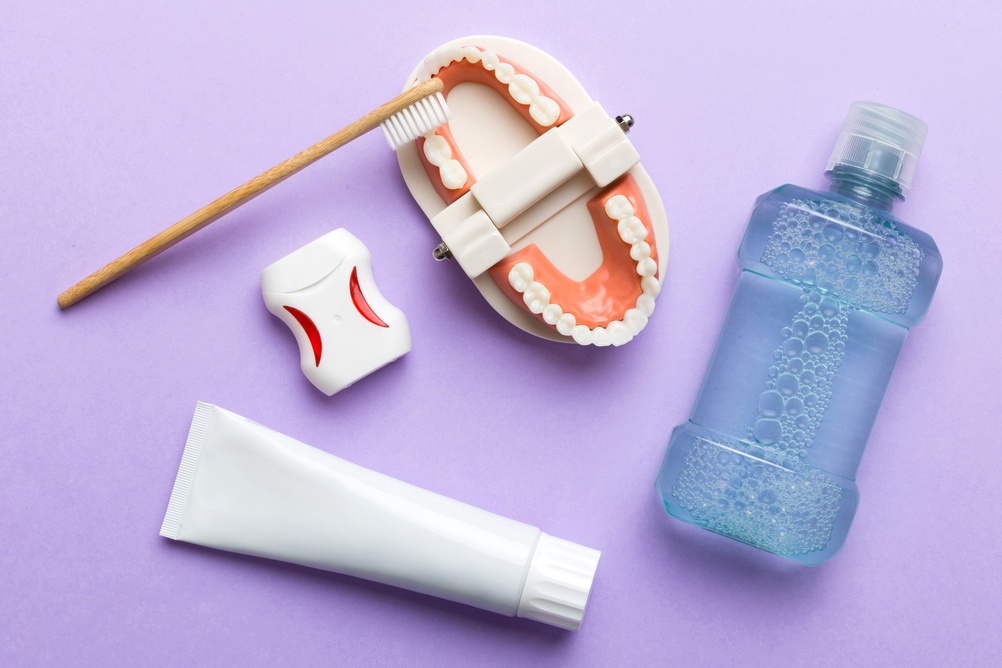
#2: Not all mouthwashes are the same
The paper distinguishes between different types of mouthwashes.
For instance, a cosmetic rinse may mainly freshen breath. An antimicrobial mouthwash contains active ingredients that are clinically used to reduce microorganisms in the mouth, including bacteria, viruses, and fungi – which makes it distinctly different in its use and purpose.
Antimicrobial Mouthwashes
The white paper discusses three commonly used antimicrobial ingredients: essential oils, chlorhexidine, and cetylpyridinium chloride.
Chlorhexidine is highly effective for oral biofilm control, but its prolonged use is limited by side effects such as tooth staining, taste changes, and increased calculus formation. It is usually recommended for short-term use rather than an everyday rinse.
Essential oil mouthwashes have evidence supporting their role in reducing plaque and gingival inflammation. They may be more suitable for long-term daily use than chlorhexidine because they have strong efficacy without the same level of side effects.
Cetylpyridinium chloride, or CPC, is less potent than chlorhexidine but associated with a more favourable safety profile, making it a possible long-term preventive option for some individuals at risk of plaque accumulation.
Fluoride Mouthwashes
Fluoride mouthwash serves a separate purpose of reducing tooth decay, especially for people at higher risk of tooth decay or those with limited access to other fluoride therapies.
Supervised regular fluoride mouthwash use reduced tooth decay in children and adolescents, with an average 27% reduction in decayed, missing, and filled tooth surfaces in permanent teeth compared with placebo or no mouthwash.
Nevertheless, fluoride mouthwash should complement (not replace) fluoride toothpaste, healthy eating habits, and oral health education.
#3: Mouthwash can help make dental procedures safer
The white paper touches on pre-procedural rinsing, which involves the patient swishing with an antimicrobial mouthwash before a dental treatment.
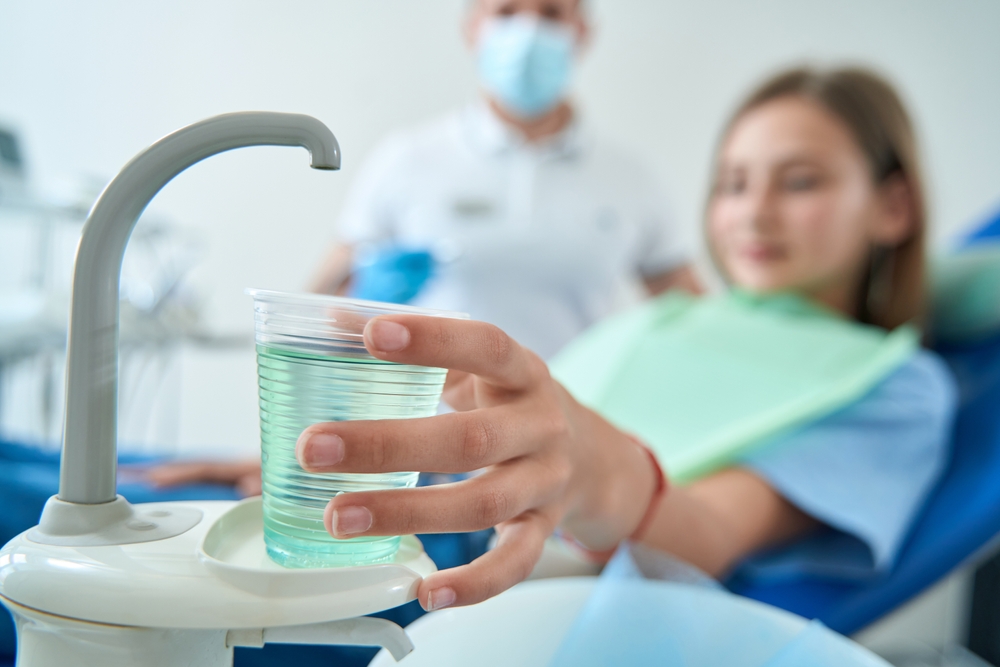
Dental procedures involving high-speed devices can generate aerosols. By rinsing with an antimicrobial mouthwash before treatment, it can lower the microbial load in the oral cavity and the number of bacteria and pathogens released into the air via aerosols and splatter.
It was found that pre-procedural antimicrobial mouthwashes reduced bacterial contamination in dental aerosols by an average of 64%, with chlorhexidine and essential oil mouthwashes showing the highest efficacy.
#4: Mouthwash is not a viral shield
During the pandemic, mouthwash became part of a bigger public question: could rinsing the mouth help reduce viral spread?
The APDF white paper gives a careful answer. Some mouthwash ingredients may reduce viral load in the mouth for a short time, but the effect is temporary, usually lasting from 30 minutes to a few hours. This is because saliva is constantly produced, and viruses may still be shed from the throat and lungs.
While mouthwash is not a viral shield, it still has a clear role in dental clinics where pre-procedural rinsing may help reduce microbes in aerosols generated during dental work. For everyday life, it should not be seen as a cure, barrier, or shortcut around proper infection control.
#5: Safety depends on the person
The suitability of use of different mouthwash depends on age, medical status, and active ingredient.
Antimicrobial mouthwashes are generally safe when used as recommended for appropriate indications. However, prolonged use without a clear clinical reason is debatable.
Important to note:
- Antimicrobial mouthwashes are not recommended for children <6 years old due to risk of accidental ingestion and immature swallowing reflexes
- Chlorhexidine mouthwashes should generally be used short-term (2-4 weeks) for clearly defined indications.
Fluoride mouthwashes are safe for routine and long-term use in adolescents, adults, and elderly patients when used at recommended concentrations.
The larger message is not simply to add mouthwash to the bathroom shelf. It is to treat oral care as prevention.
For individuals, prevention starts with the basics. Brush with fluoride toothpaste, clean between the teeth with floss and use mouthwash appropriately. For some, that may mean a fluoride rinse to reduce caries risk. For others, an antimicrobial mouthwash may help support gum health.Lifestyle-wise, watch sugar intake and avoid tobacco use.
Oral health habits are built early and reinforced by the environments people live in. School-based dental education, workplace health initiatives, community outreach, and better access to preventive dental care can help people act before cavities, gum inflammation, or infections become harder and more expensive to treat.
This is especially relevant in Asia Pacific, where many people still seek dental care only when something hurts. By then, a small cavity may have become a deeper infection, or early gum inflammation may have progressed into more serious periodontal disease.

