

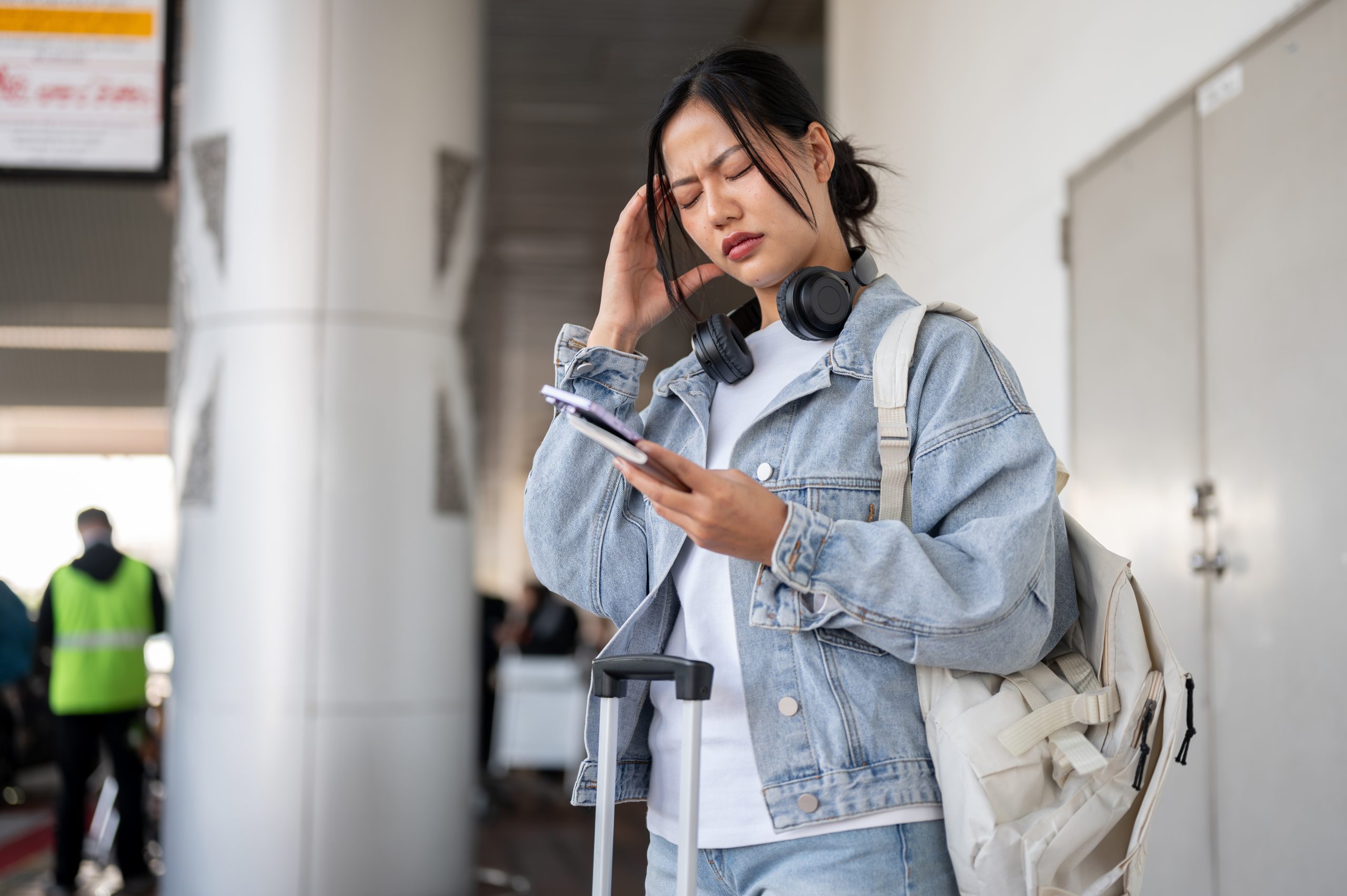
While holidays are meant to be the ultimate antidote to modern burnout, a toxic combination of overplanning, decision fatigue, and social media pressure is triggering intense travel anxiety and fatigue among Asian holidaymakers.
When we think of holidays, they are generally framed as the ultimate antidote to stress. Cruising down a shoreline or countryside, winding through quaint markets and charming cafes, and taking in breathtaking views?


That sounds like the perfect time away from our office desks and humdrum lives.
So why has it become common for people to return from their vacations feeling more exhausted than refreshed?
Making the Most of Your Holiday…
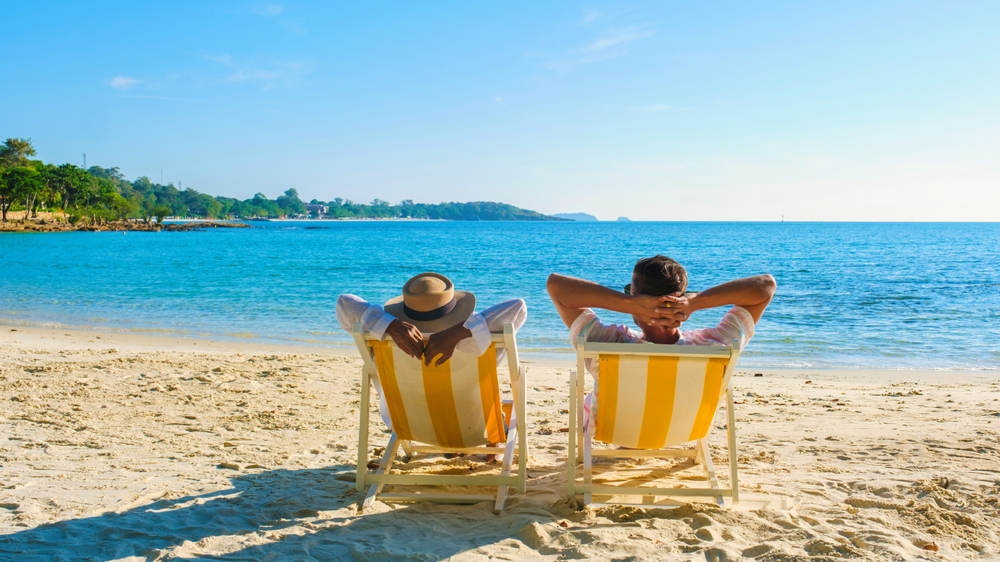
We often associate travel with wellbeing, and for good reason. Breaking away from routine allows our brains to reset, helping reduce cortisol levels and boost our mood. The challenge of delving into a new environment also has a positive effect on our cognition, enabling us to adopt a different perspective and improve our problem-solving skills.
However, it is the psychological (and perhaps physical) distance from everyday stressors that has Ms Risa (name changed for privacy) going abroad at least once every two months.
As an IT specialist, the 27-year-old typically faces late nights and busy weekends providing technical and administrative support to her team.
“Sometimes, it feels like being overseas is the only real excuse I have to sign off from work,” she lamented.
While having short trips planned gives her the opportunity to properly wind down while creating meaningful memories with family and friends, even just the anticipation of a holiday can keep her happy and motivated, she said.
However, while travel has the potential to be restorative, this is not always the case.
…May Not Be as Relaxing as You Think

Modern travel culture has glorified intensity, such that many of us perceive the best trips to involve more destinations, more activities, and – most importantly – more photos opportunities. This can drive us to chase experiences and perfection, rather than just some much-needed rest.
When You Are Pressured by FOMO
FOMO, or the fear of missing out, may be one of the biggest causes of travel stress. Holidays can be limited and expensive, so people naturally feel the need to “maximise” every minute.
“I am the one who normally plans our trips, and they used to be packed with activities because my thought was that it would be really difficult for all of us to go back,” Ms Risa admitted. “So if we did not get to visit the ‘must-try’ café or missed a ‘hidden gem’ from Instagram, it would have been like I had failed the group somehow. Even during the holiday, my brain never switched off. I was constantly checking timings and routes.”
The overplanning can also leave little room to actually enjoy the experience.
“There was this one trip to Japan where I had every day planned down to the hour. It looked amazing on paper, but in reality, I had people getting tired halfway through the day, and someone always wanted to change plans. When things went off schedule, it always made me irrationally upset.”
When You Feel Uncomfortable in a Foreign Environment
When we are in another country, it is normal to struggle with language barriers and navigation difficulties. For Ms Risa, these can be overcome with translation apps and enough Googling.
The real issue lies with safety.
“We often hear stories or see reels about a tourist being pickpocketed on public transport, or having their items outright snatched by some guy on a motorbike. It’s something we always have to be wary of.”
Even without this concern, understanding and guiding ourselves through different social norms can be challenging and overwhelming. Even something as simple as figuring out which train to board when you are already on the platform can be mentally taxing.
Unfamiliarity naturally activates alertness, and this makes it difficult to unwind even when we want to.
When You Experience Decision Fatigue
Travelling requires us to make an enormous number of decisions – and if you happen the be that one “planner friend”, this burden ends up falling on you.
“Everyone would come to me for everything, from what time we should leave the hotel to where we should have dinner,” Ms Risa said. “It used to frustrate me, because I would be like, ‘Isn’t all this what our shared itinerary is for?’”
Even then, she would be in charge of booking reservations, making payments, and navigating her group from one place to another.
“It felt like everyone just wanted to leave everything to me. I couldn’t help but feel like I was being taken for granted.”
It doesn’t help that the headache can materialise even before the plane lifts off, during the trip planning.
According to Ms Katherine Lee, a clinical psychologist at Heartscape Psychology, the planning stage of the trip, where you need to research your routes and pick out the food, accommodations and activities, can be highly stressful because of the constant decision-making involved.
As she explained it in CNA: “This leads to a state of chronic anxiety, and difficulties engaging the part of the nervous system that allows us to ‘rest and digest’, leaving us feeling more drained than before we left home.”
Redefining What It Means to Have a “Good” Holiday
Unless we have completely familiarised ourselves with our destination, a little travel stress is normal. However, if we want to actually feel relaxed while we are on vacation, we should change how we approach it.
First off, avoid overscheduling yourself. Focus instead on a few “anchor” activities that feel necessary for you, and keep the remainder as optional. Remember that a holiday is not a productivity challenge, and it is important to prioritise rest – that is normally the main reason why you are even away from home.
Secondly, schedule in empty blocks in your itinerary.
“Now I focus more on how I want the trip to feel, rather than how much I can fit into it. I still plan – I don’t think I’ll ever become completely spontaneous – but I plan loosely,” said Ms Risa.
“Instead of creating packed itineraries, I’ll shortlist a few key things each day and leave space in between for buffer or in case we spot something interesting. I’ve also become more comfortable with missing out. You can’t optimise every moment anyway, and trying to do that can ruin the experience.”
And if decision fatigue is weighing down on you, it is time to share the responsibility with everyone else in the group – this is your holiday too.
“It is okay to disappoint people a little. I used to solve all the problems immediately, but now I just go, ‘I do not know, what do you guys feel like doing?’ This shift made things feel a lot lighter.”
At the end of the day, the goal is not to have a busy journey, but a restorative one. Maybe the most important change we can commit to is giving ourselves permission to slow down, let go of perfection, and simply enjoy the present moment.
Read more:
How Do Long-Haul Flights Affect Your Physical Health?
Jet Lag Tricks Your Brain – Here’s How to Trick It Back
Why You Might Feel Worse After the Best Trip of Your Life
References:
- Bockarova, M. (2022, July 14). Vacation Stress? You’re Not Alone. Psychology Today. Retrieved from: https://www.psychologytoday.com/us/blog/romantically-attached/202207/vacation-stress-youre-not-alone
- Cleveland Clinic. (2025, March 18). What Vacations Do for Your Brain. Retrieved from: https://health.clevelandclinic.org/benefits-of-going-on-vacation
- Loh, R. (2025, November 22). Want rest and rejuvenation on your vacation? Try cutting back on endless sightseeing. CNA. Retrieved from: https://www.channelnewsasia.com/today/adulting/holiday-planning-stress-packed-do-less-activities-5476571
- Owens, H. (2024, May 30). How to Take the Stress Out of a Trip With Your Partner. Verywell Mind. Retrieved from: https://www.verywellmind.com/stress-of-travel-with-a-partner-8646541
- Serrano, J. F. (2024, June 13). You’re Vacationing All Wrong. Here’s How to Have a Truly Restful Break. Time. Retrieved from: https://time.com/6986803/how-to-vacation-relaxing/

