

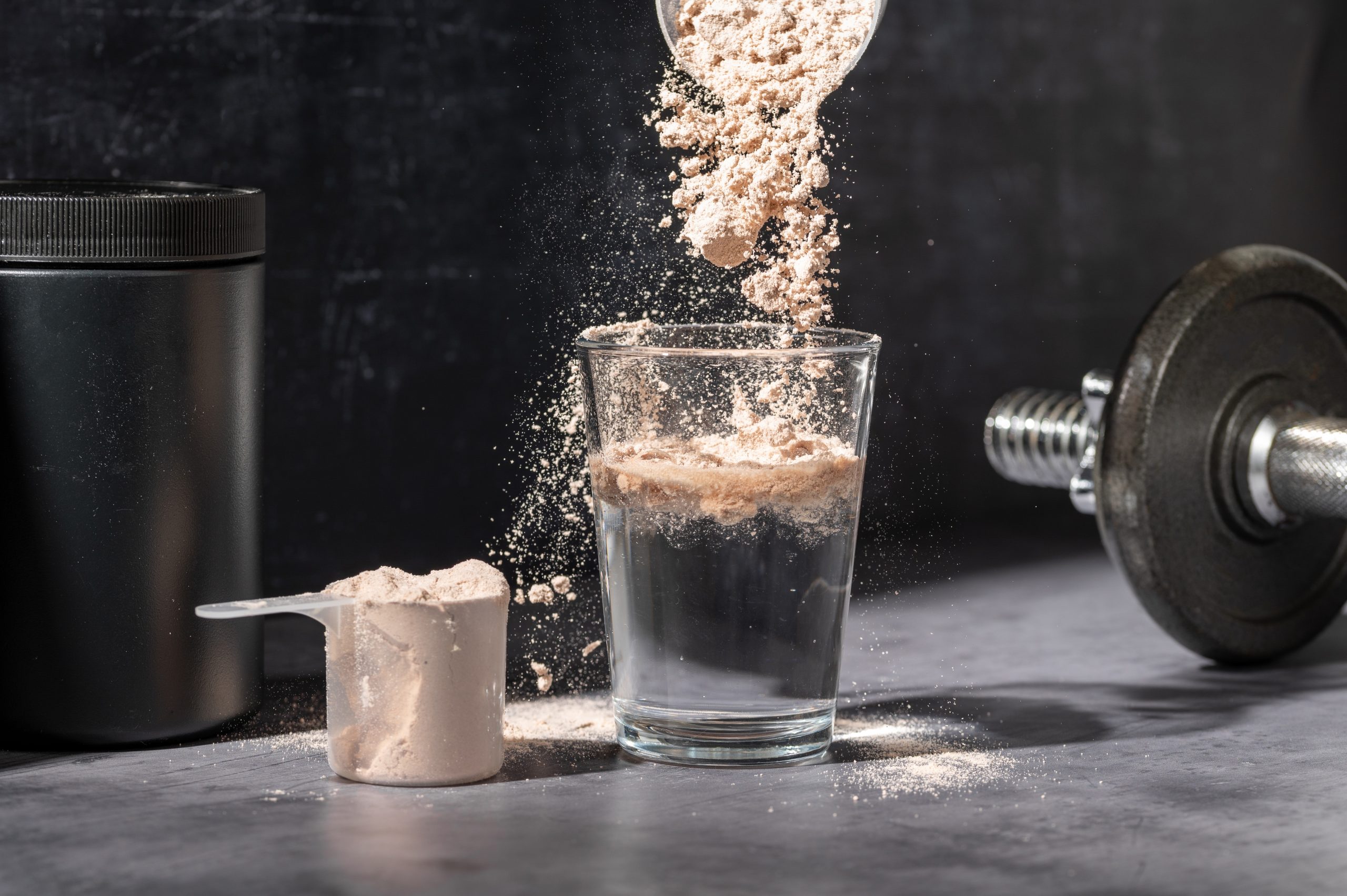
While loading up on protein has become the latest health craze, overconsuming this nutrient can lead to unexpected health complications.
Not long ago, protein was a concern mostly associated with heavy gym-goers and athletes. Now, this nutrient is at the forefront of everyone’s minds.


We cannot ignore it even if we wanted to.
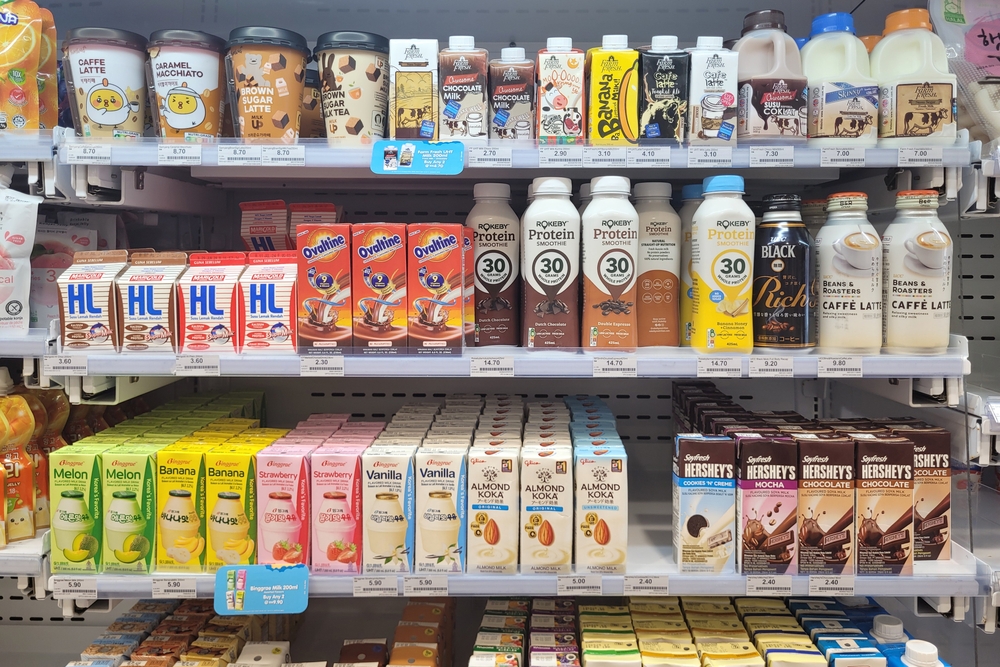
A scroll through social media will unveil everyday shots of protein-heavy meals, and advice on how to “hit your protein goals”. A walk through the supermarket will reveal shelves lined with protein-enriched yoghurts, snack bars, cereals, milks – even ice-creams.
Even restaurants have jumped on the bandwagon, proudly advertising dishes packed with 32 grams of protein.
It is official: the modern world is obsessed with protein.
But, as with many health trends, the conversation has become increasingly one-sided. While getting enough protein is important, more is not always better. In fact, consistently consuming excessive amounts may come with health consequences that are often overlooked.
So why has protein taken centre stage? And where should we be drawing the line between optimal intake and overdoing it?
Behind Our Preoccupation With Protein
Protein is a macronutrient that plays an essential role in the repairing and building of our cells and tissues. It is also key to helping maintain muscle mass and strength – which is one major reason behind the surge in protein’s popularity.
With the rise of fitness culture comes a growing awareness of the need to preserve muscle mass throughout life. We have learned that an adequate protein intake, together with strength training, can support mobility, metabolic health, and independence as we age.
Weight management has also brought protein into the spotlight. Protein has a higher thermic effect of food, meaning that the body uses more energy to digest and process it compared to carbohydrates and fats. Furthermore, as it is more filling compared to many other nutrients, it can keep us satiated for longer. This reduced feeling of hunger makes high-protein diets appealing for people trying to lower their overall calorie intake.
Importantly, nuanced nutrition advice and catchy messaging on social media have amplified its association with healthy living. According to Dr Glenn Low, a resident physician at DTAP Clinic, it also has a unique quality that makes the marketing of it more successful than other food trends: it can be found anywhere, whether that is in a protein shake, a fast-food burger, or even an egg you fry in your own kitchen.
“That potentially makes the protein trend more durable,” he added in CNA.
While protein definitely deserves the attention, the problem begins when just getting “enough” quietly becomes a persistence in getting “as much as possible”.
When Protein Gets Too Much
Though protein is an essential nutrient, it is still possible to consume more than the body can effectively use, and this has its consequences.
Kidney Issues
Kidney health is a commonly-discussed concern surrounding high-protein diets.
When protein breaks down in the body, it produces waste products that the kidneys are responsible for filtering through. Therefore, eating more proteins means that these organs have to do more work.
While healthy kidneys are generally capable of adapting to the increased workload, the story is different for people with existing kidney problems. Those with reduced kidney function can experience a worsening of their condition should their protein intake be excessive. This is why people living with chronic kidney disease are often advised to limit their intake of this nutrient.
Weight Gain
Ironically, while protein can help us lose weight, eating too much of it means that it simply becomes another source of excess calories.
After all, consuming ever-larger amounts of protein does not translate into endless muscle growth. Muscle development is also dependent on progressive resistance exercise, adequate recovery, and overall nutrition.
So unless we are doing enough exercise to compensate for this heightened consumption, what the body does not use will just be processed into fat.
Nutrient Deficiencies
While a high-protein diet is not too hard on the gut, problems often arise because of what gets crowded out.
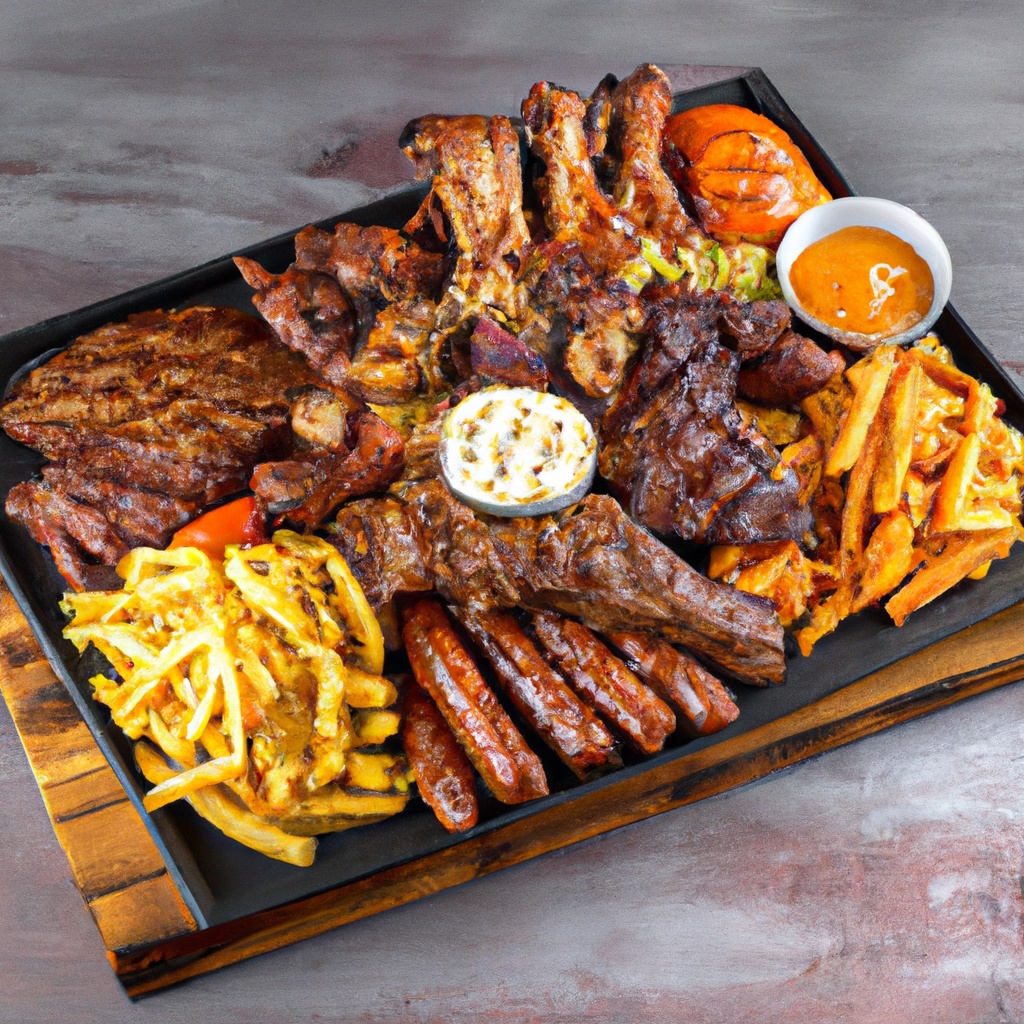
Take the example of the protein-rich boy kibble, which focuses mainly on a heavy amount of ground meat added to white rice. When proteins become a replacement for other foods like fruits, vegetables and whole grains, our fibre intake can fall significantly. The result is constipation, bloating, and less regular bowel movement.
In particular, diets high in red and processed meats do not just mean that we may be missing out on important vitamins and plant-based antioxidants – they could increase our risk of developing conditions such as heart disease, type 2 diabetes, and colorectal cancer.
Finding the Balance Between Hype and Health
As Dr Low cautioned: “The bigger risk from the trend is not protein itself, but the idea that ‘high-protein’ automatically means healthy.”
Protein is not a nutritional shortcut, nor is it a licence to ignore the rest of what constitutes a balanced plate. A healthy diet remains one that combines sufficient protein with plenty of fruits, vegetables, whole grains, and healthy fats.
Furthermore, to minimise the risks that come with excessive protein, spread out your intake more. While protein recommendations can vary a fair bit depending on your general health and how active you are, a helpful baseline is 0.8 grams of protein for every kilogram of body weight daily, for those under 49 years old. This means that if you weigh 60 kilograms, you would need roughly 48 grams of protein a day.
Since we can only process roughly 20 to 40 grams of protein at a time anyway, we might as well distribute our consumption of it throughout the day, rather than having a huge amount in one go.
Mix up your protein sources as well. Avoid having processed meats too often, and limit your intake of red meat to just a few times a week. Fuel up with other sources of protein such as fish, lentils, beans and nuts.
Just remember that good health is not about chasing the latest dietary trend, but about building a sustainable eating habit that keeps us nourished and fulfilled.
References
- Beale, C. (2026, January 29). 6 Serious Side Effects of Too Much Protein. Health. Retrieved from: https://www.health.com/too-much-protein-side-effects-11894852
- Cleveland Clinic. (2023, June 15). Yes, You Can Definitely Eat Too Much Protein. Retrieved from: https://health.clevelandclinic.org/can-you-eat-too-much-protein
- Egan, S. (2026, May 28). 5 health risks from consuming too much protein. The New York Times. Retrieved from: https://www.nytimes.com/2026/05/28/well/eat/health-risks-excess-protein.html
- Fuller, N. (2025, April 4). Commentary: Is TikTok right? Do we need to eat more protein? CNA. Retrieved from: https://www.channelnewsasia.com/commentary/diet-food-how-much-protein-health-tiktok-trend-5042261
- Gunnars, K. (2026, February 13). How Protein Can Help You Lose Weight Naturally. Healthline. Retrieved from: https://www.healthline.com/nutrition/how-protein-can-help-you-lose-weight
- HealthHub. (2025, July 4). Why Protein Is More Important Than You May Think, And 5 Common Protein Myths. Retrieved from: https://www.healthhub.sg/well-being-and-lifestyle/food-diet-and-nutrition/why_protein_is_important
- Khoo, B. K. (2024, September 2). Do you really need all that protein for health even if you’re not into working out? CNA. Retrieved from: https://cnalifestyle.channelnewsasia.com/wellness/protein-intake-weight-loss-build-muscles-sarcopenia-395336
- Loh, R. (2026, May 8). The high protein craze: Fad or fixture in the Singaporean diet? CNA. Retrieved from: https://www.channelnewsasia.com/today/big-read/high-protein-craze-supermarket-food-nutrition-diet-health-6106716

