

See Life
Beyond
See Life
Don't let near vision limit what's next.
The Challenge
Near vision changes can make everyday details harder to see.
The Freedom
Explore solutions for clearer vision at every distance.
Is This You?
These everyday activities may start to feel a little more challenging, whether you’re at work, at home or on the go.

Working
- Reading emails
- Switching between screens
- Reviewing documents or small print

Dining & Shopping
- Reading menus
- Checking receipts
- Reading food labels

At Home
- Reading & near work
- Hobbies & crafts
- Reading medication labels or instructions

Staying Active
- Playing sport
- Checking your smartwatch
- Looking at your phone
they may all be early signs of presbyopia.
What Is Presbyopia?
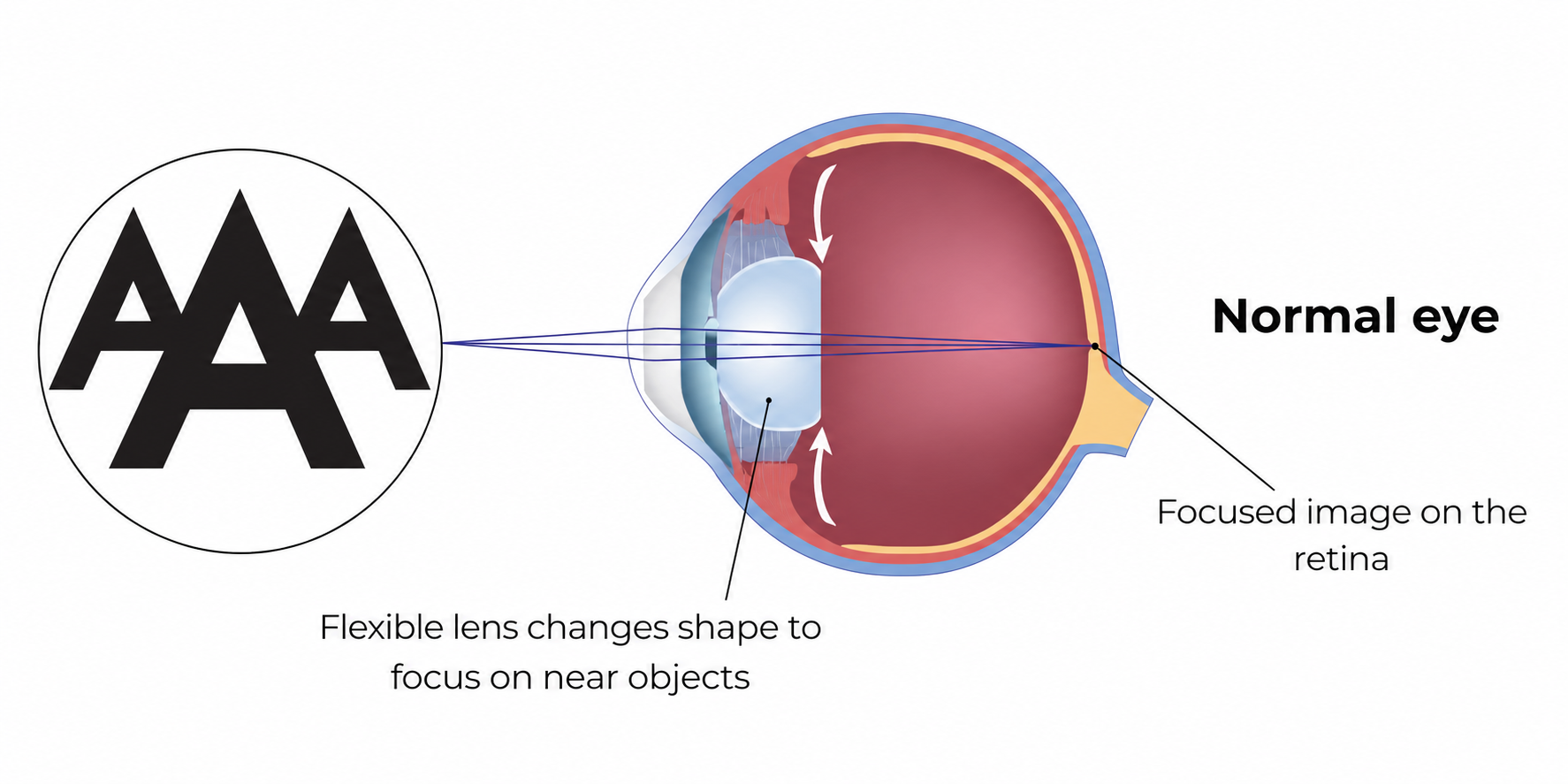

-
As we age, the natural lens inside our eye gradually becomes less flexible.
-
That makes it harder to focus on things nearby, even if your distance vision is still clear.
-
Presbyopia is different from myopia (short-sightedness). Even if you have never needed glasses — or you have been short-sighted your whole life — you can still develop presbyopia as you age.
Presbyopia by the numbers
Nearly
all adults
develop presbyopia by their 60s.
40–49 years
Many people first notice symptoms between ages 40–49.
More than
2 billion people
worldwide are expected to be living with presbyopia by 2030.
The good news? There are options that can help.
Living Beyond Presbyopia
Presbyopia is a natural part of ageing, but it doesn't mean you have to simply live with it. Today, there are several ways to improve your vision, depending on your lifestyle,
visual needs and eye health.

Reading Glasses
- Good for close-up reading
- Simple and affordable
- Requires switching glasses
- May cause eye strain or headaches

Progressive Glasses
- For far, intermediate and near vision
- One pair for everyday use
- May distort peripheral vision
- May limit physical activity
- May cause dizziness or headaches

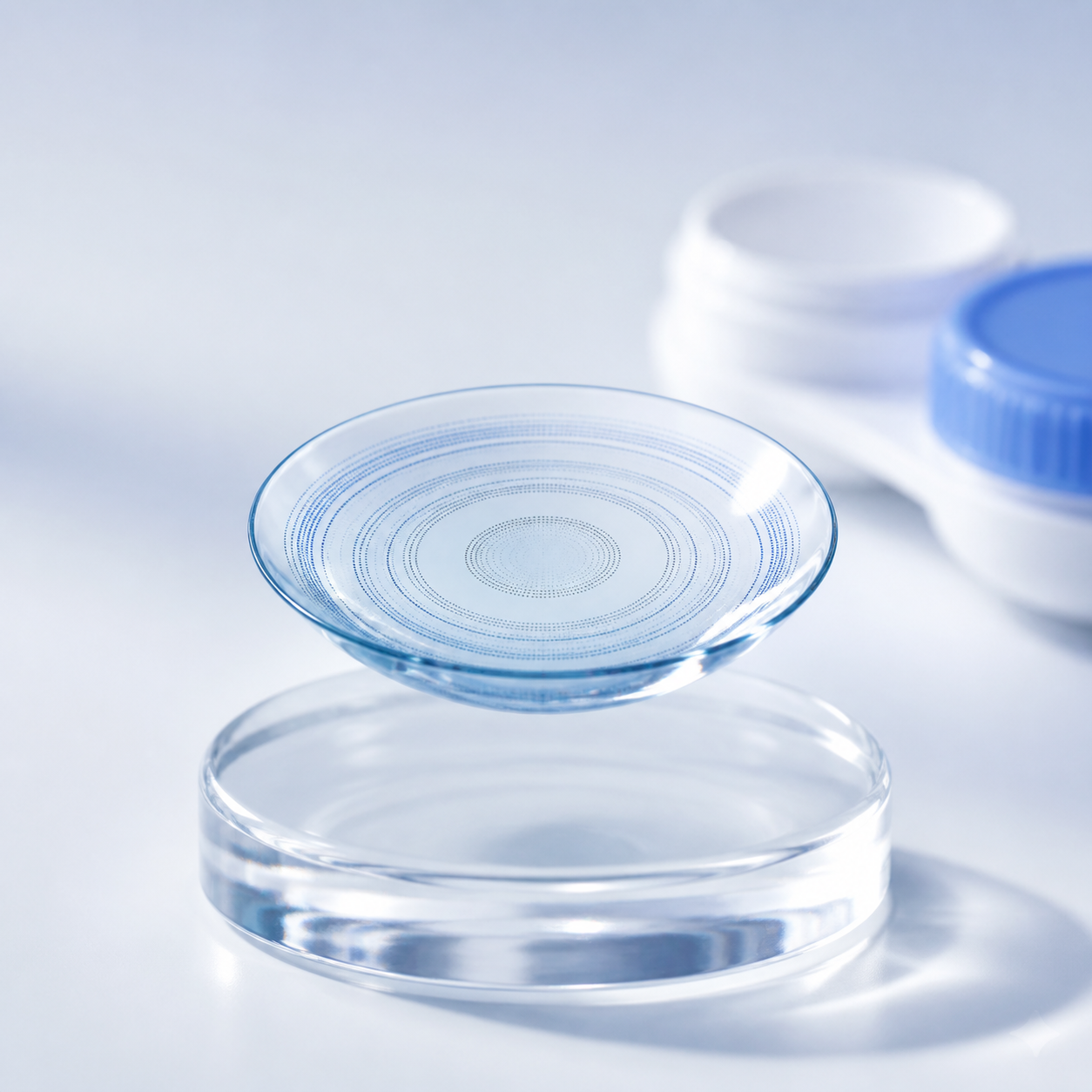
Multifocal
Contact Lenses- For far, intermediate and near vision
- Glasses-free option
- Limited duration of use
- Need time to adapt
- May reduce peripheral vision

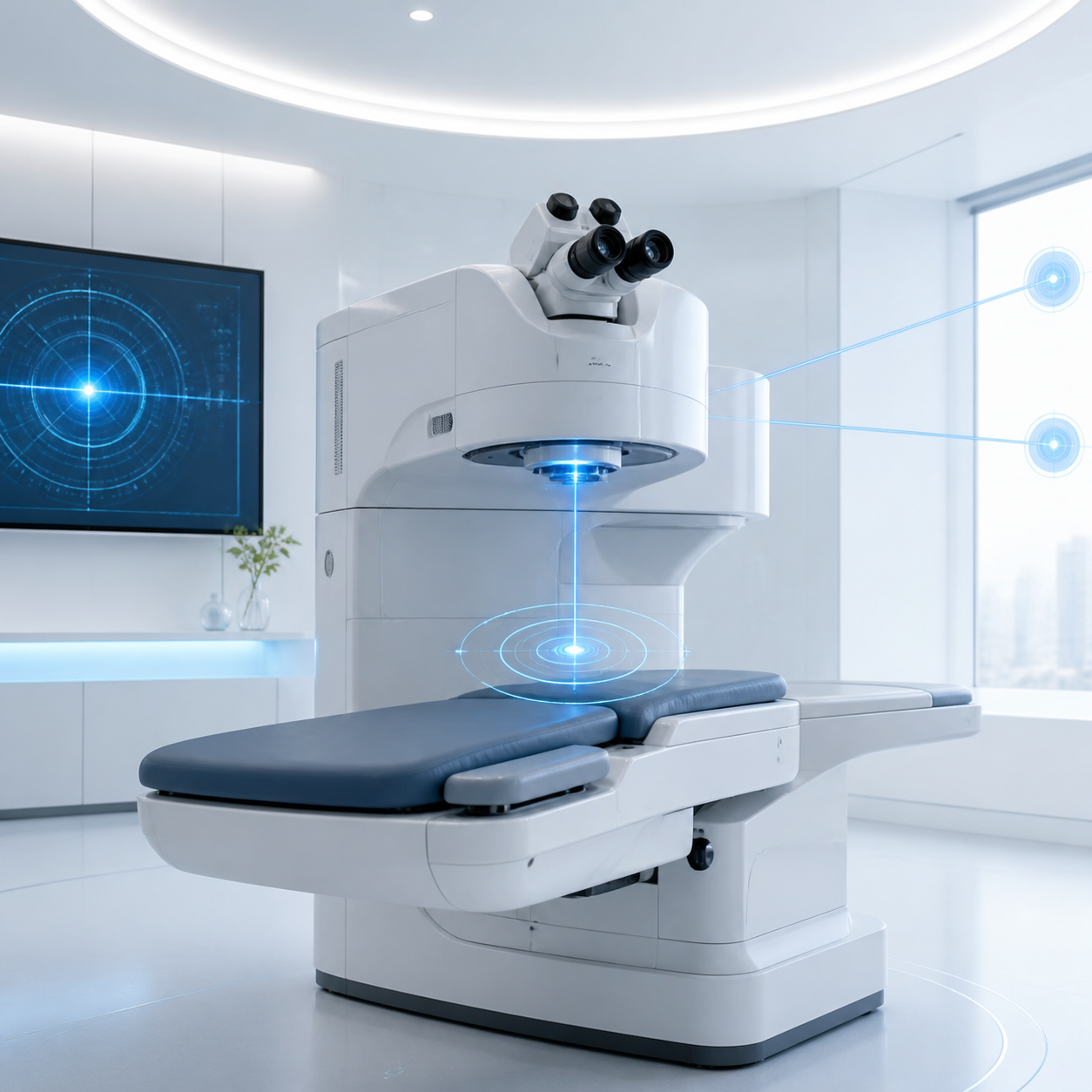
Laser Blended
Vision (LASIK)- Clear vision across far, intermediate and near distances
- Glasses-free option
- Need time to adapt

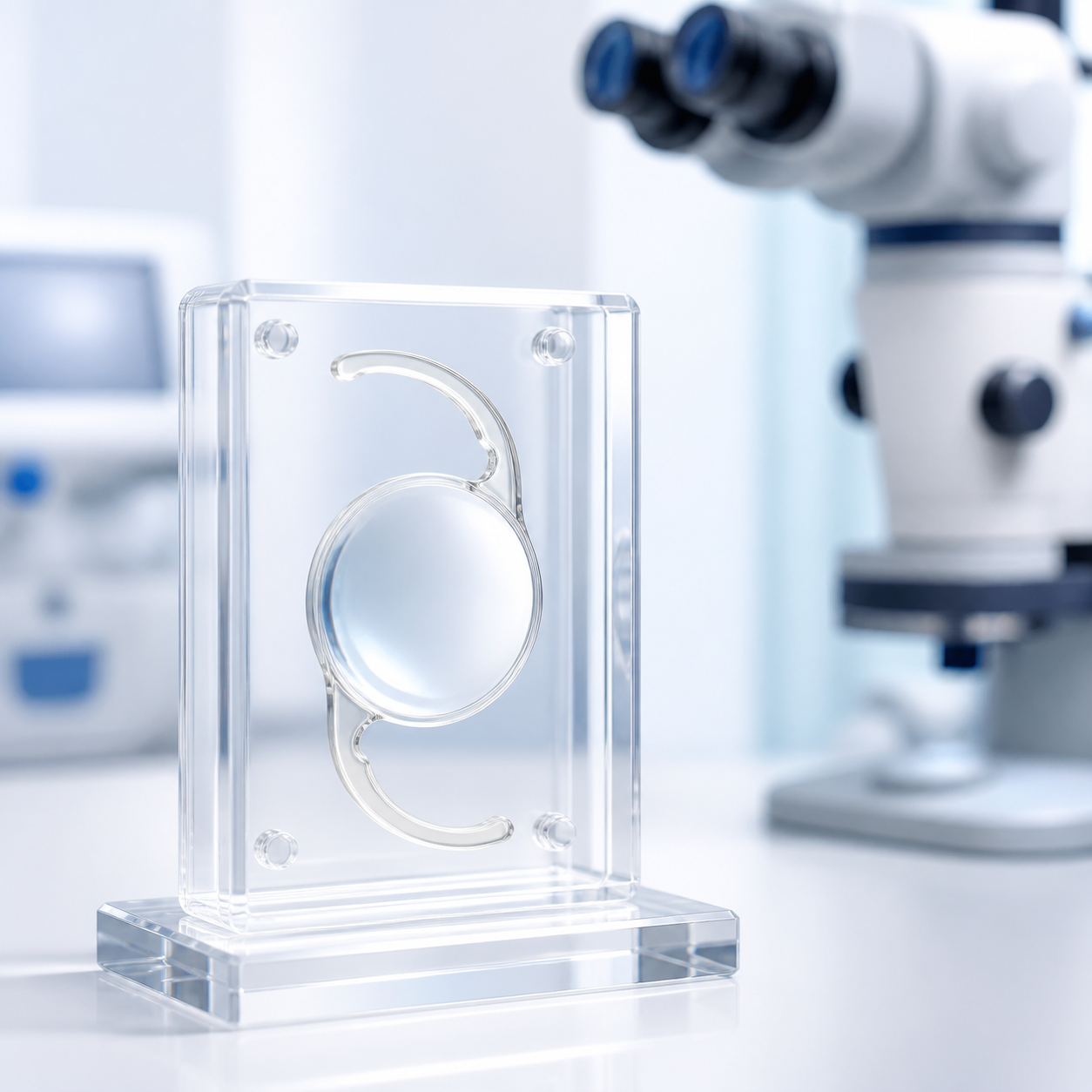
Lens Surgery
- Can correct other eye conditions such as cataracts
- Suitable only for selected individuals
- Involves replacing the eye's natural lens

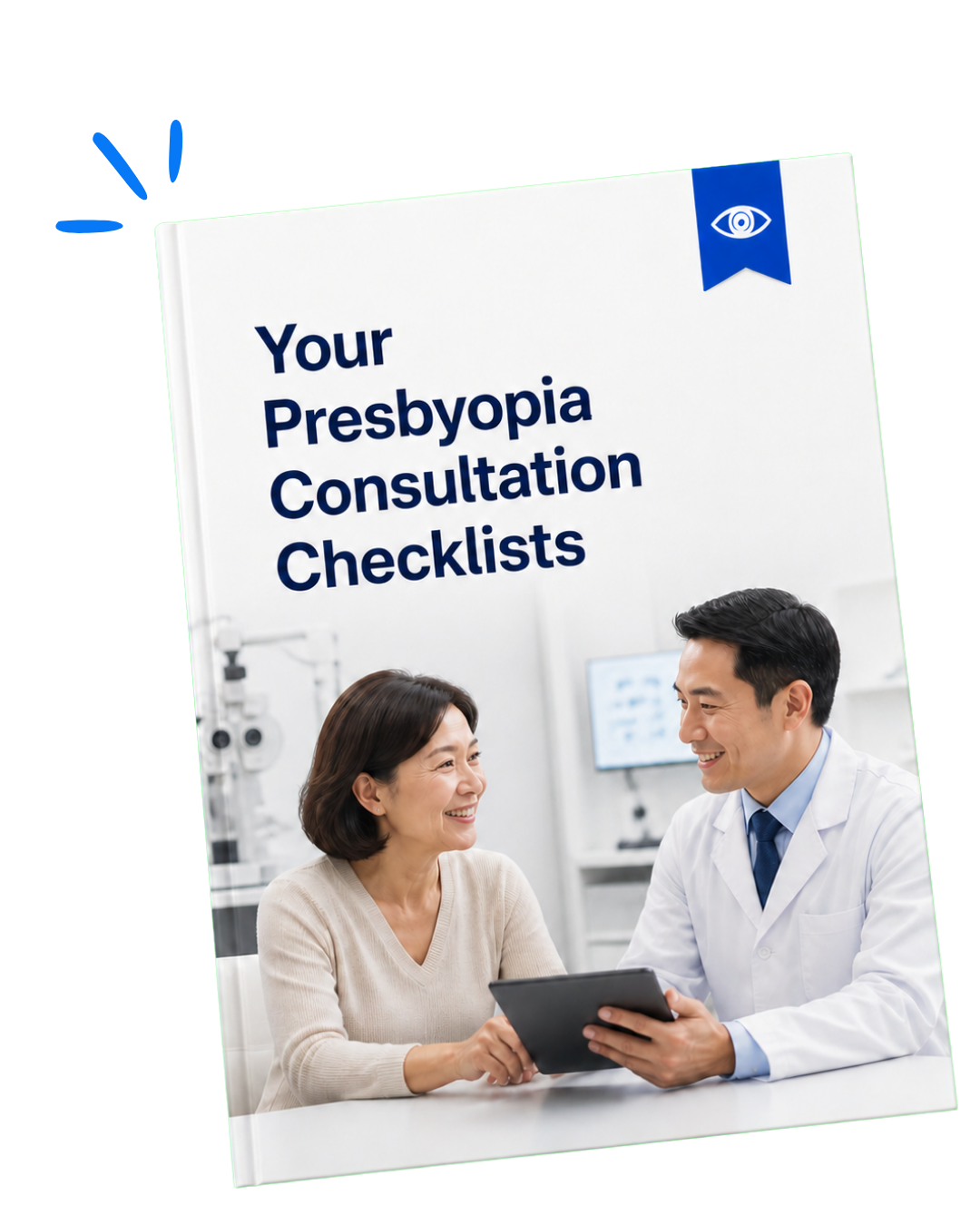
Still unsure which option is right for you?
Download our free Presbyopia Consultation Checklists to understand your treatment options and prepare for your next eye consultation.
- Symptom Checklist
- Questions to Ask Your Doctor

Participating Clinics
Ready to take the next step? Connect with a participating
eye care provider to discuss your vision and treatment options.
Singapore
-
290 Orchard Road, #16-01/02
Paragon Medical Tower 1 via Lift Lobby F, 238859 - +65 6836 1000
Singapore
-
11 Third Hospital Ave, Singapore General Hospital
Singapore 168751 - +65 6280 4455
Malaysia
- C38, C39 & C40, Concourse Floor, Atria Shopping Gallery, Jalan SS 22/23, Damansara Jaya, 47400 Petaling Jaya, Selangor, Malaysia
- +60 378900168
Malaysia
- Unit 1-3, Level, 1, Nexus, 7, Jalan Kerinchi, Bangsar South, 59200 Kuala Lumpur, Federal Territory of Kuala Lumpur, Malaysia
- +60 327307676
No clinics match your search. Try a different name or region.
LSC Eye Clinic
Singapore
-
290 Orchard Road, #16-01/02
Paragon Medical Tower 1 via Lift Lobby F, 238859 - +65 6836 1000
- Mon–Fri 9am–6pm, Sat 9am–1pm
Singapore National Eye Centre (SNEC)
Singapore
-
11 Third Hospital Ave, Singapore General Hospital
Singapore 168751 - +65 6280 4455
- Mon–Fri 8.30am–5.30pm, Sat 8:30am–12pm
Optimax Eye Specialist Centre (Damansara Jaya)
Malaysia
- C38, C39 & C40, Concourse Floor, Atria Shopping Gallery, Jalan SS 22/23, Damansara Jaya, 47400 Petaling Jaya, Selangor, Malaysia
- +60 378900168
- Mon–Sun 10am–7pm
OasisEye Specialists
Malaysia
- Unit 1-3, Level, 1, Nexus, 7, Jalan Kerinchi, Bangsar South, 59200 Kuala Lumpur, Federal Territory of Kuala Lumpur, Malaysia
- +60 327307676
- Mon–Fri 8am–5pm, Sat 8am–1pm
Frequently Asked Questions
Find answers to common questions about presbyopia, its symptoms and treatment options.
Most people notice the first signs of presbyopia in their early to mid-40s. You may start holding your phone further away, need brighter light to read or struggle with small print.
Yes. Myopia affects distance vision, while presbyopia affects near vision. It is common to have both at the same time. Find a participating clinic for an eye assessment to learn more about your vision and options.
Yes. Presbyopia is a natural part of ageing and affects almost everyone over time, whether or not you already wear glasses.
No. Presbyopia is a natural age-related change and cannot be prevented. However, there are several ways to reduce your dependence on reading glasses. Speak to a participating clinic to learn what may be suitable for you.
Treatment options include reading glasses, progressive lenses, contact lenses and laser blended vision correction for suitable candidates. The best option depends on your eyes, lifestyle and visual needs.
If reading up close becomes difficult or you notice frequent eye strain or headaches, it’s time for an eye examination. An eye doctor can confirm whether presbyopia is the cause and recommend suitable options. Find a participating clinic to get started.