


Vitamins for acne promise clearer skin from within, but the evidence is uneven. We examine astaxanthin, probiotics, B vitamins and lysine to see where promising research ends and unproven claims begin.
Another breakout, another serum.nother bottle promising to fix what the last one could not.


When acne keeps returning, the idea of treating skin “from within” can feel persuasive. Why add another cream when a daily capsule might tackle the problem beneath the surface?
Astaxanthin, probiotics, B vitamins and lysine have all attracted attention for their potential skin benefits. Yet the distance between supporting healthy skin and treating acne is larger than supplement marketing suggests.
The quick answer: Some ingredients have encouraging early research, but none of these four options guarantees clear skin. The American Academy of Dermatology’s 2024 guidelines found insufficient evidence to recommend vitamins and other alternative therapies for acne.
Why Would Nutrients Affect Acne?
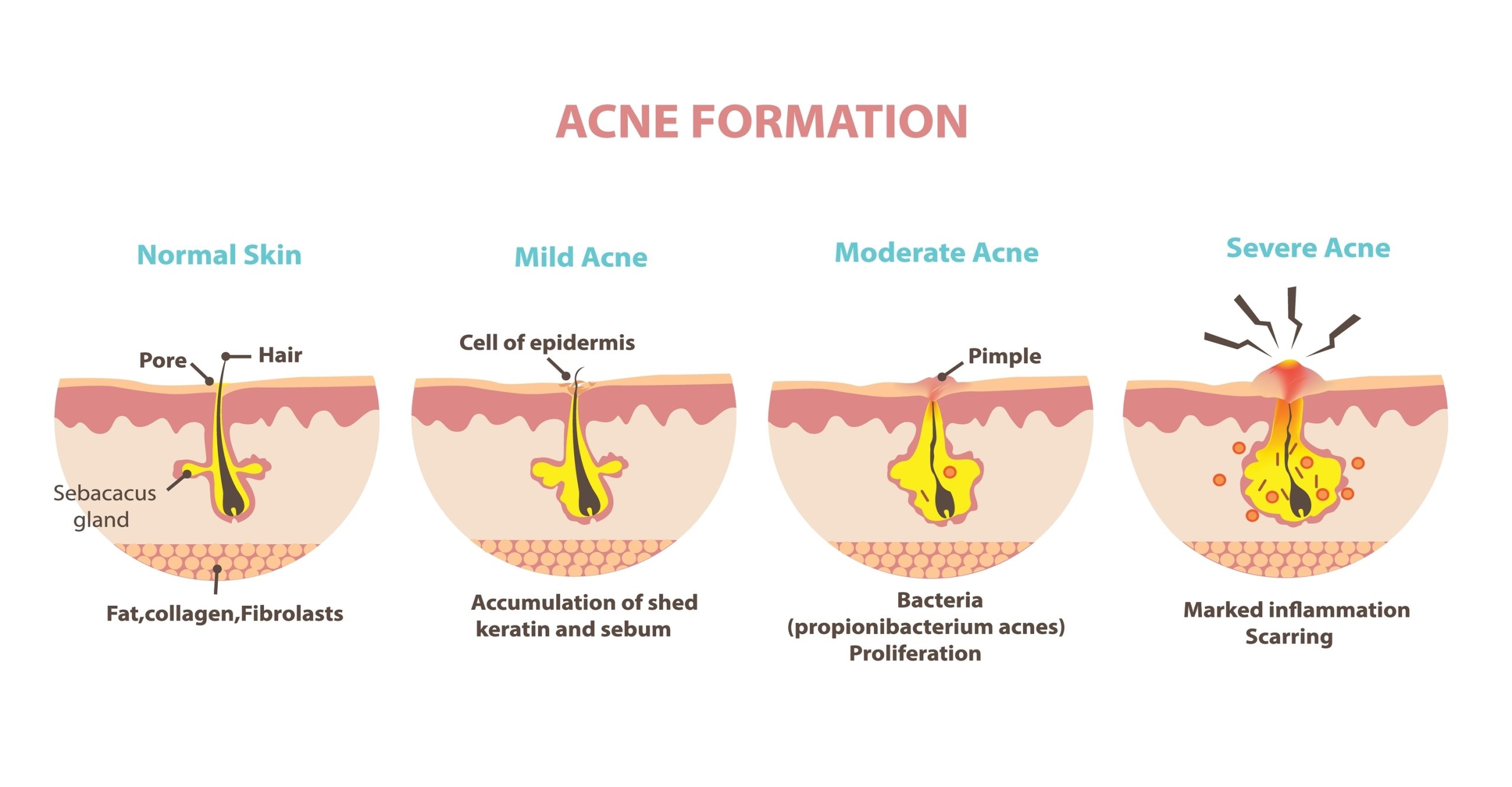
Acne develops when oil and dead skin cells block pores, with bacteria and inflammation contributing to breakouts. Hormonal changes can increase oil production, while certain cosmetics and medicines may also play a part. Having acne does not automatically mean your diet is missing a vitamin.
Nutrition matters for normal skin function. However, giving the body more of a nutrient does not necessarily improve a process that already has enough.
There is also a labelling problem: astaxanthin is a carotenoid pigment, probiotics are live microorganisms, and lysine is an amino acid. Only the B vitamins in this line-up are actually vitamins.
Can Astaxanthin Help Clear Breakouts?
Astaxanthin is an antioxidant often promoted for skin protection and healthy ageing. Its reputation makes it an attractive candidate for acne products, but research into one skin concern cannot automatically answer questions about another.
A small Japanese trial recruited 23 healthy participants to examine astaxanthin’s effects on ultraviolet-related skin changes. Researchers reported improvements in some measures, including reduced moisture loss after irradiation. However, the trial did not test whether astaxanthin cleared acne.
That distinction matters. Improving skin moisture or its response to ultraviolet exposure does not demonstrate fewer blocked pores, pimples or cysts.
For someone considering astaxanthin specifically for breakouts, this research cannot establish an acne benefit. Claims about antioxidant strength should not be mistaken for clinical results in people with acne.
Can Probiotics Improve Acne Through the Gut?
Probiotics contain live microorganisms that may offer health benefits. Prebiotics are different: they are food components that support desirable microorganisms. Neither belongs to the vitamin family.
Researchers are investigating whether changing the gut’s microbial environment can influence acne. Some clinical findings are encouraging, although the details temper the excitement.
In an Iranian trial published in 2025, 80 people with moderate acne received conventional treatment, including doxycycline and topical adapalene. Half also received a probiotic supplement. Some acne measures improved more in the probiotic group, but results varied by body area, and the difference in average global acne score reduction was small.
Crucially, the study tested probiotics alongside acne medicines. It did not establish that probiotics could replace them.
Nor can one product’s results be applied to every yoghurt, fermented drink or supplement. Different microorganisms may have different effects, so a familiar “gut health” label does not establish an acne benefit.
Which B Vitamins Have Evidence for Acne?
Two B vitamins feature frequently in acne discussions: B3 and B5. Their evidence needs to be considered separately, especially because swallowing a supplement differs from applying an ingredient to skin.
Niacinamide, also called nicotinamide, is a form of vitamin B3. In an eight-week trial involving 76 patients, a 4% nicotinamide gel improved inflammatory acne, with no statistically significant difference in outcomes compared with a clindamycin gel.
This offers some support for topical niacinamide. However, one small, older trial cannot establish that every niacinamide serum performs equally well. It also says nothing about whether oral B3 supplements produce the same results.
Vitamin B5, or pantothenic acid, has limited evidence from oral supplementation research. A 2014 trial enrolled 48 adults, with 41 available for evaluation. After 12 weeks, a pantothenic acid-based supplement reduced acne lesion counts more than placebo.
The finding is promising, but the study’s size and duration leave questions about longer-term benefits and safety.
B vitamins are also available through food. Fish, poultry, legumes and some grains provide niacin; its water-soluble status does not mean supplements are automatically necessary.
Can Lysine Fade Acne Scars?
Lysine is an essential amino acid used to build proteins. Its connection with collagen helps explain why it appears in discussions about skin repair.
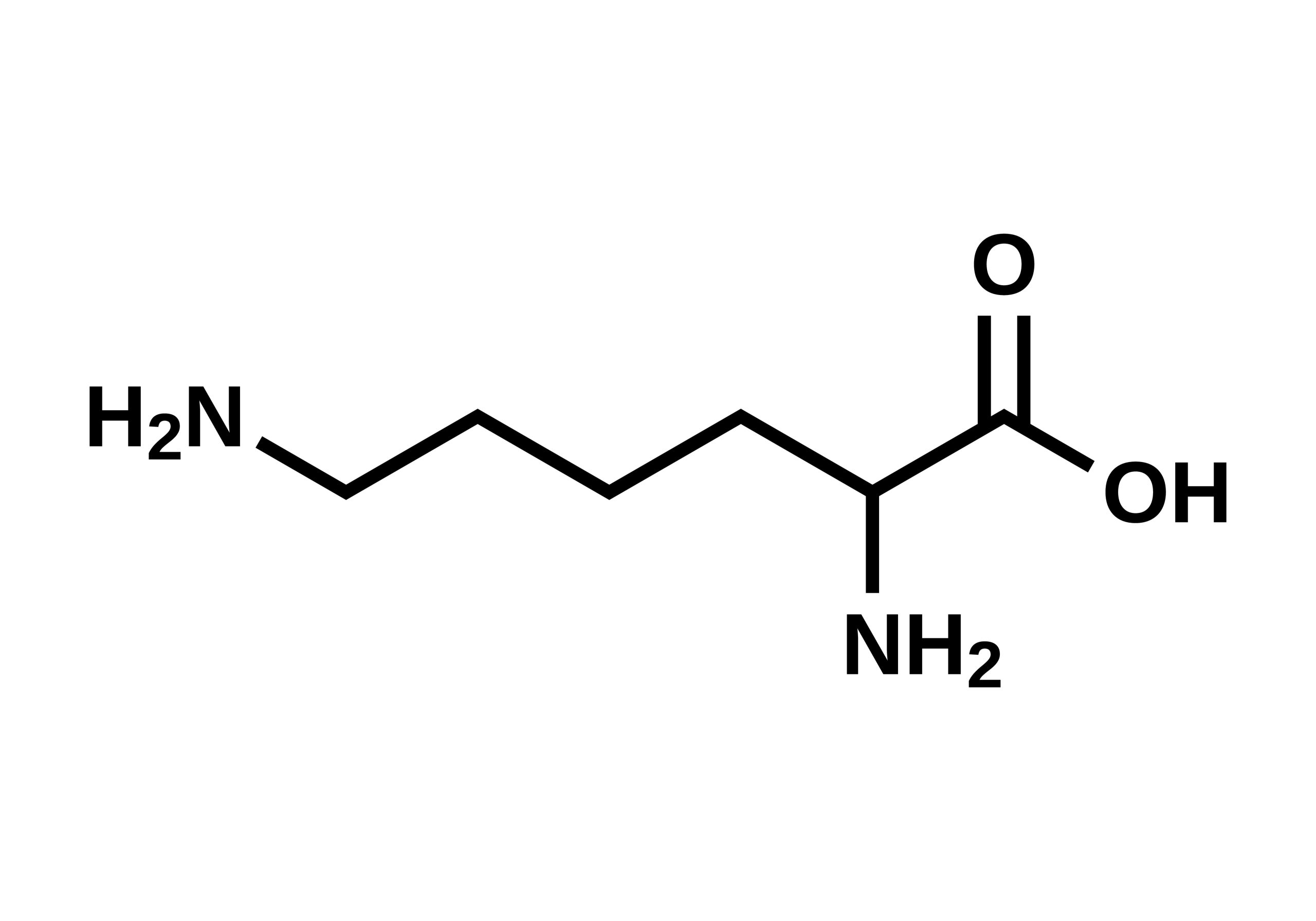
However, a biological role is not proof that an extra supplement clears pimples or repairs established acne scars. Robust clinical evidence supporting lysine for these purposes is lacking.
Be particularly cautious when a product moves directly from “supports collagen” to “removes acne scars”. These are different claims, requiring different evidence. Lysine is not an established acne treatment in current dermatology guidance.
Try This Before Trying Another Supplement
For otherwise healthy adults, dermatologists recommend meeting nutritional needs through a balanced diet. Supplements may help when a clinician identifies a deficiency or another specific need.
Acne itself deserves targeted treatment. Options with stronger evidence include benzoyl peroxide and topical retinoids, selected according to individual needs.
In Singapore, a pharmacist can advise on suitable initial treatment. HealthHub recommends medical assessment if pharmacist-recommended products have not helped after four to six weeks, or if nodules, cysts or scars develop.
The next useful step may be a treatment review, rather than another addition to the supplement shelf.

