

Parkway Medicentre Dermatologist Dr Joseph Toh explains why psoriasis keeps returning, how it is diagnosed and when biologic therapy may be considered for better control.
Psoriasis may appear on the skin, but its effects can reach much further. For people living with recurring plaques, itching and discomfort, every flare can disrupt sleep, confidence, relationships and work.


Dermatologist Dr Joseph Toh from Parkway MediCentre explains what causes psoriasis, how doctors diagnose it and when biologic therapy may be considered.
Why Does Psoriasis Keep Coming Back?
Psoriasis is a chronic, immune-related inflammatory condition rather than a purely cosmetic skin problem. It develops when an overactive immune response accelerates the production of skin cells.
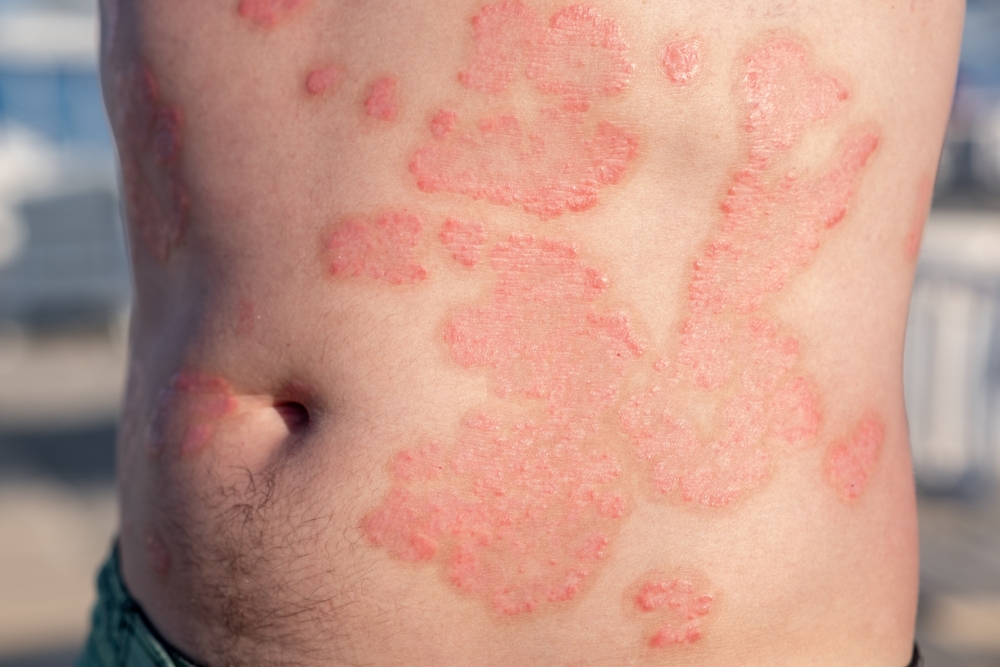
Healthy skin cells generally renew over several weeks. With psoriasis, new cells reach the surface in a matter of days. They accumulate before older cells can be shed, forming the raised, red plaques and silvery scales commonly associated with the condition.
Symptoms can include itching, burning, cracked or painful skin, and changes affecting the scalp or nails. Some people also develop joint pain and stiffness, which may indicate psoriatic arthritis.
Psoriasis often follows a cycle of improvement and flare-ups. There is currently no cure, but appropriate treatment can help control its symptoms and reduce its effect on daily life.
How Do Dermatologists Treat Psoriasis?
A dermatologist can usually diagnose psoriasis by examining the appearance, location and extent of the affected skin. The assessment may also cover symptoms such as itching and joint pain. A skin biopsy is only occasionally required.
Treatment depends on the severity of the condition and how it affects the individual.
Mild psoriasis is often managed with topical treatments, including corticosteroid creams and vitamin D-based preparations. Phototherapy, which exposes the skin to controlled ultraviolet light, may be considered when topical medicines do not provide sufficient relief or when larger areas are affected.
More extensive or persistent psoriasis may require systemic treatment. According to SingHealth’s psoriasis guidance, biologic medicines may be used when traditional therapies have been unsuccessful or have caused serious side effects.
When Could Biologic Therapy Help?
Biologics are targeted medicines that block specific parts of the immune response driving inflammation. Unlike treatments that suppress inflammation more broadly, different biologics act on particular immune cells or proteins.
They may be considered for people with more severe psoriasis, repeated flare-ups, extensive skin involvement or a substantial reduction in quality of life. Some biologics are administered at a clinic, while others can be injected at home after appropriate instruction.
The choice of biologic is highly individual. A dermatologist will consider the person’s health, previous treatments, lifestyle and treatment goals. Family-planning needs may also influence the discussion.
Biologics can help some patients achieve substantial skin clearance and improved symptom control, but responses vary. These medicines can also affect the immune system. Screening, medical supervision and ongoing monitoring are therefore essential. Singapore’s HealthHub biologics guide advises that doctors may conduct tests for infection risks before treatment begins.
If psoriasis continues to return or disrupt daily life, it is important to speak to a dermatologist about whether the current treatment plan should be reviewed.

