

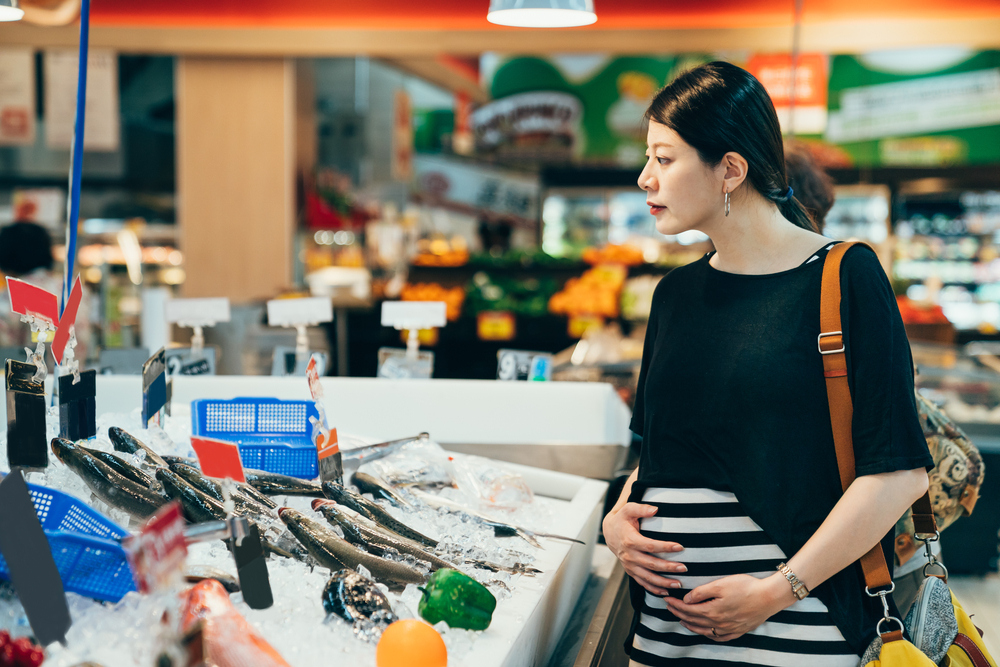
A new study links a Mediterranean-style pregnancy diet with lower odds of babies developing both colic and eczema. Here is what the findings could mean for expectant parents, and why they do not prove prevention.
It is funny to realise that pregnancy often comes with a long list of food-related questions.


“Do I have to give up sushi?”
“Is having my morning coffee okay?”
“Should I be avoiding peanuts to prevent nut allergies?”
While no single meal determines a child’s health, a recent study suggests that a mother’s overall diet during pregnancy may have effects worth exploring.
The study, published in JAMA Network Open, found an association between maternal dietary patterns, and the risk for colic and eczema in infants. While the findings offer a fresh perspective on the relationship between nutrition and the developing immune system, what should expectant parents actually take away from it?
What the Study Found
The study, which recruited over 1300 mother-child pairs, assessed the mothers’ diets during early and mid-pregnancy, and examined whether their babies experienced colic, eczema, or both around six months of age.
The researchers looked at overall dietary quality (which was registered as the Mediterranean-style diet), the potential inflammatory properties of the diet, and intake of foods commonly associated with allergies, such as seafood, nuts, dairy and eggs.
Certain findings stood out:
- Each 1-point increase in the Mediterranean diet intake lowers the odds of an infant having colic and eczema by 15%.
- Each 1-point increase in the intake of inflammatory foods increased the odds of an infant having colic and eczema by 34%.
- Each weekly serving of seafood consumed by a pregnant woman lowers the infant’s colic and eczema risk by 25%.
In summary, mothers with higher Mediterranean diets scores, lower dietary inflammation, and higher seafood intake tended to have babies who were at lower risk of colic and eczema, while mothers who had lower Mediterranean diet scores, greater dietary inflammation and lower seafood intake tended to have babies at a higher risk of developing both conditions.
In addition, the prenatal intake of nuts, dairy and eggs were not associated with the risk for colic and eczema.
However, it should be noted that this is an observational study, which cannot establish cause and effect. Furthermore, the researchers conceded that there may be missing information and biased results, as the dietary intake was assessed using questionnaires, which depended on the participants’ ability to recall what they ate, and the symptoms of colic and eczema were reported but not validated against medical records. Considering the cohort was recruited from Massachusetts between 1999 and 2002, it is also possible that the findings may not translate well to every population or to today’s dietary habits.
As intriguing as the current findings are, further research is needed before firm conclusions can be drawn on this subject.
Why Colic and Eczema Together?
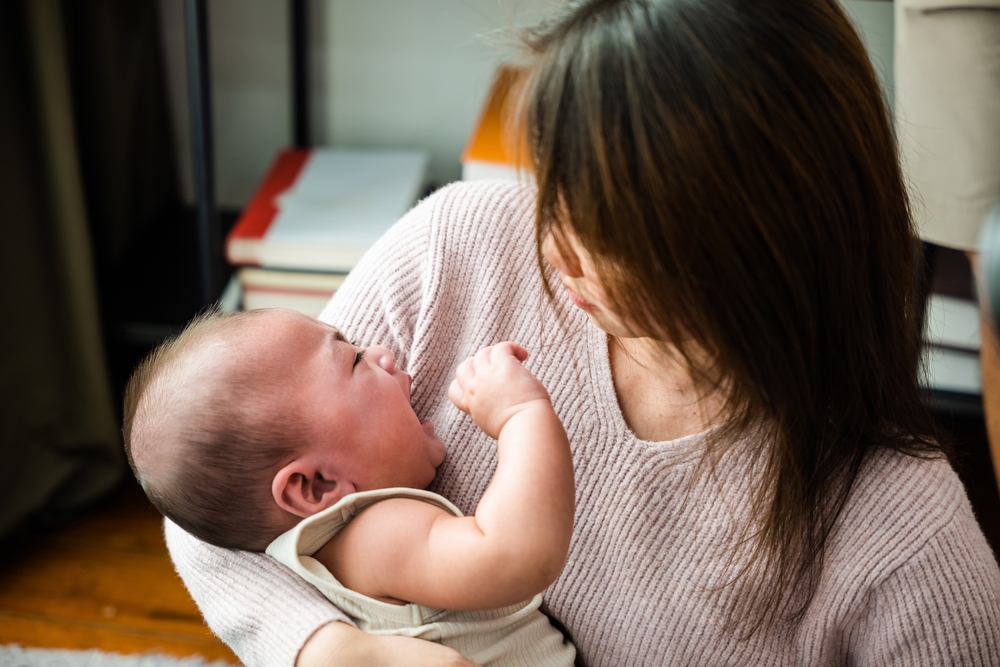
Colic and eczema are common issues experienced by infants, though they might seem like unrelated problems at a first glance. The former involves prolonged, difficult-to-soothe crying, while the latter affects the skin, causing dryness, itching and inflammation.
However, the study states that infants with colic often also have eczema, and suggest that both conditions may be linked to food protein sensitivities, and may be precursors to other conditions as the babies grow older.
According to corresponding author Jenifer Lightdale, associate chief of the Division of Gastroenterology, Hepatology and Nutrition at Boston Children’s Hospital and professor of paediatrics at Harvard Medical School, in a press release: “Our own prior studies have shown that babies who had colic have higher rates of atopic conditions in later life, including asthma, seasonal rhinitis and food allergies.”
“Our new study is the first to ask how prenatal diet may influence colic, and in particular the combination of colic and eczema, as babies who have both conditions in infancy may be at highest risk for various manifestations of allergies when they are older.”
The Key Takeaway
Keep in mind that while the study provides a useful lead for future investigation, it does not necessarily represent a new dietary prescription for expectant mothers.
Nevertheless, it does bring up some interesting points for healthy eating. For instance, what makes the Mediterranean diet so healthy is its focus on seafood, plant-based foods and healthy fats, while eschewing red meats and sweeteners.
So when it comes to building practical dietary habits that support a healthy pregnancy, some suggestions include:
- Aiming for a balanced diet by including a variety of fruits, vegetables, whole grains, protein sources and healthy fats.
- Choosing seafood thoughtfully, following guidance on lower-mercury varieties and safe preparation.
- Avoiding unnecessary restrictions, such as avoiding nuts or eggs.
Importantly, follow the prenatal care plan you set up with your doctor, and be sure to discuss supplements and other pregnancy-related conditions as needed.
Just nourish yourself as best as you can, and remind yourself that the baby’s health is shaped by many factors – not just what is on your plate.
Read more
- Health Rounds: Sleep shortage during pregnancy may hurt baby’s brain
- No Autism or ADHD Link Found With Pregnancy Paracetamol Use
External References
- Brownstein, M. (2026, October 12). Healthy diet during pregnancy associated with reduced risk of infant colic, eczema. Harvard T.H. Chan School of Public Health. Retrieved from: https://hsph.harvard.edu/news/healthy-diet-during-pregnancy-associated-with-reduced-risk-of-infant-colic-eczema/
- Cleveland Clinic. (2024, March 7). Mediterranean Diet. Retrieved from: https://my.clevelandclinic.org/health/articles/16037-mediterranean-diet
- HealthHub. (2021, July 8). Baby Colic. Retrieved from: https://www.healthhub.sg/health-conditions/colic
- HealthXchange. (n.d.). Tips for a Healthy Diet During Pregnancy. Retrieved from: https://www.healthxchange.sg/pregnancy/during-pregnancy/tips-healthy-diet-during-pregnancy
- Mesmer, K. (2026, October 14). Fish in Maternal Diet May Shield Infants From Colic, Eczema. Medscape. Retrieved from: https://www.medscape.com/viewarticle/fish-maternal-diet-may-shield-infants-colic-eczema-2026a10012k0?form=fpf
- Oken, E., Rifas-Shiman, S. L., Switkowski, K. M., et al. (2026). Maternal prenatal diet and colic and eczema among infants. JAMA Network Open, 9(10), e2638478. Retrieved from: https://jamanetwork.com/journals/jamanetworkopen/fullarticle/2855219

