

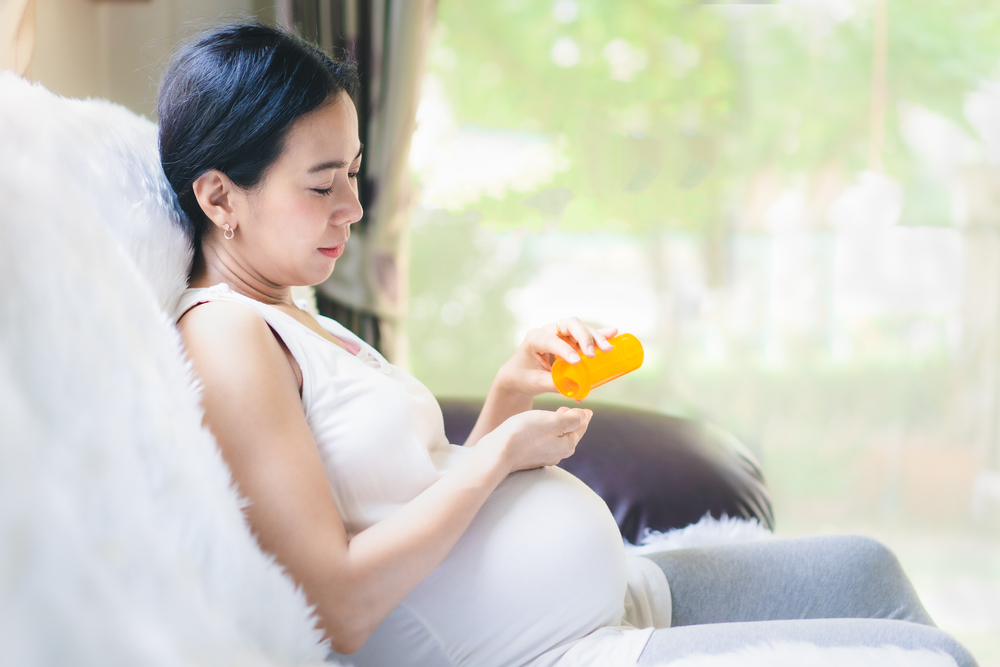
A landmark Hong Kong study of more than 700,000 mother-child pairs found no link between taking paracetamol during pregnancy and autism or ADHD after accounting for shared genetics and family environment. This offers reassuring evidence for expectant mothers across Asia.
For many pregnant women, deciding whether to take even a simple painkiller can feel surprisingly stressful.


A headache, fever or body aches may seem like a minor ailment. However, concerns about harming the baby often lead many women to avoid medication altogether. Over the past decade, few medicines have attracted as much debate as paracetamol (also known as acetaminophen).
Now, one of the largest studies ever conducted in Asia offers reassuring news.
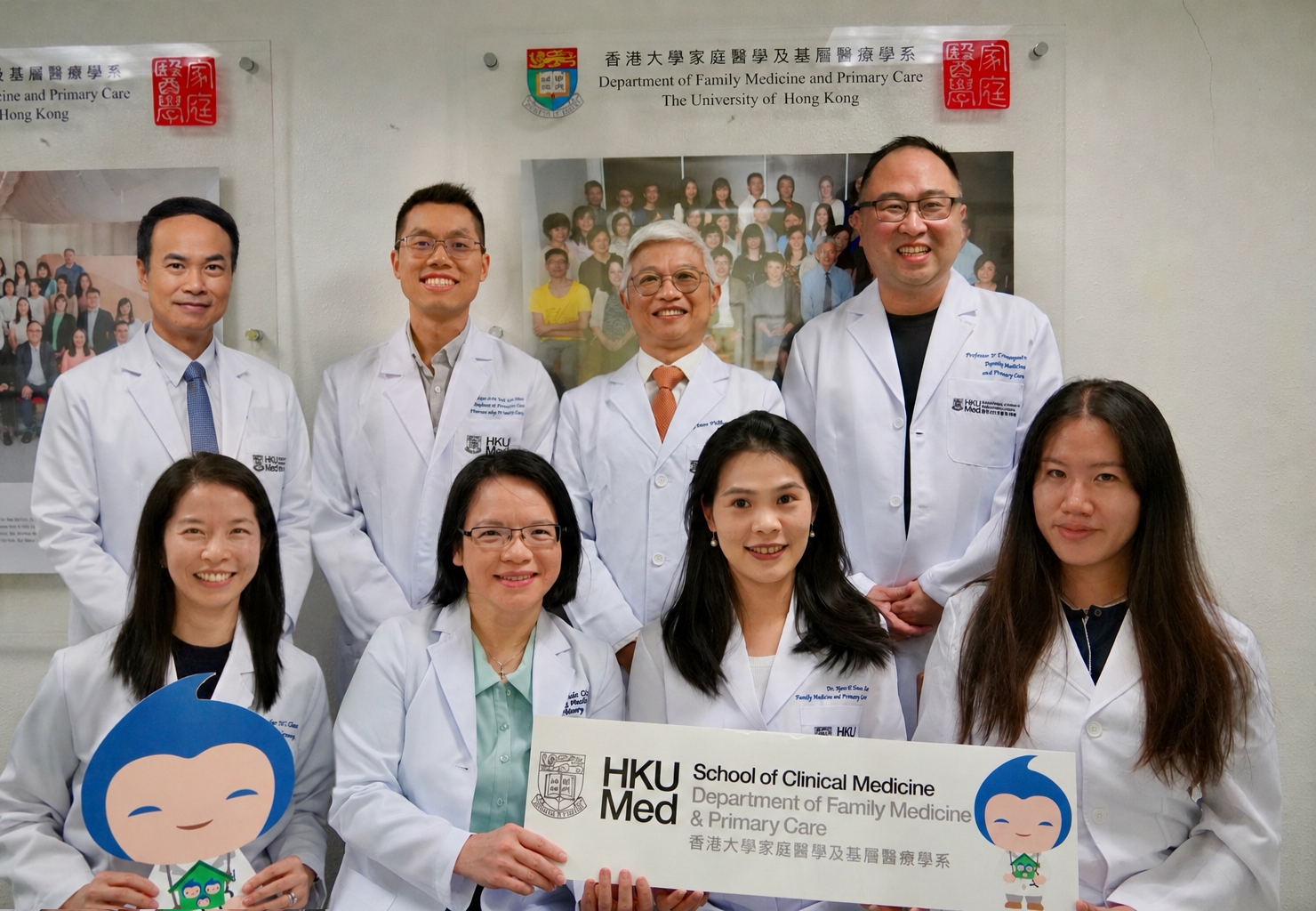
Researchers from the LKS Faculty of Medicine at the University of Hong Kong (HKUMed) analysed medical records from more than 708,000 mother-child pairs. They found no evidence that taking paracetamol during pregnancy increases the risk of autism spectrum disorder (ASD) or attention-deficit/hyperactivity disorder (ADHD) in children once important family factors were taken into account.
Published in JAMA Internal Medicine, the study is the first in Hong Kong to use a sibling-matched design. This design is considered one of the strongest observational methods available when randomised trials are not possible.
Why Has Paracetamol Become Controversial During Pregnancy?
Paracetamol has long been regarded as the first-choice painkiller during pregnancy.
Unlike many non-steroidal anti-inflammatory drugs (NSAIDs) such as ibuprofen, which can pose risks during certain stages of pregnancy, paracetamol has generally been considered safe. However, it should be taken at the lowest effective dose for the shortest necessary duration.
However, concerns emerged after observational studies suggested children exposed to paracetamol before birth appeared slightly more likely to be diagnosed with neurodevelopmental conditions such as ASD or ADHD.
The findings attracted widespread media attention and, in 2021, an international group of scientists published a consensus statement urging greater caution around prenatal paracetamol use.
Although organisations including the World Health Organization and the European Medicines Agency continued to state that evidence was insufficient to conclude paracetamol causes neurodevelopmental disorders, the headlines left many expectant mothers uncertain.
Why Previous Studies May Have Been Misleading
One of the biggest challenges in pregnancy research is separating the effects of the medicine from the reason the medicine was taken.
For example, women who require paracetamol during pregnancy may be more likely to have infections, fever, chronic pain or inflammatory conditions. Some of these underlying conditions have themselves been linked to child neurodevelopment.
Genetics and family environment also play major roles.
If researchers simply compare mothers who took paracetamol with those who did not, it becomes difficult to know whether any increased risk comes from the medicine itself. Alternatively, it may come from other shared family characteristics.
This is known as confounding, and it has been one of the biggest criticisms of earlier studies.
How Comparing Siblings Gives a Clearer Answer
To overcome this problem, the HKUMed researchers used a sibling-matched study design.
Rather than comparing unrelated families, they compared siblings born to the same mother where one pregnancy involved paracetamol exposure and another did not. Because siblings share much of their genetics, upbringing and household environment, this approach removes many of the hidden differences that can influence results.
Initially, when researchers analysed the data using conventional methods, they observed the same slight increase in ASD and ADHD risk reported in previous studies. However, once sibling comparisons were performed, the association disappeared entirely.
The findings remained consistent regardless of:
- which trimester paracetamol was taken
- how much was taken
- whether use was occasional, intermittent or persistent
This suggests the earlier associations were likely explained by shared family factors rather than the medication itself.
Why This Matters for Asian Mothers
Although many studies on medication safety come from Europe or North America, healthcare systems, prescribing habits and genetic backgrounds differ across populations.
This makes local evidence especially valuable. The Hong Kong study included over two decades of electronic health records. As a result, it is one of the largest studies ever performed in a predominantly Chinese population. For clinicians across Asia, the findings provide stronger evidence that current recommendations remain appropriate.
Dr April Luo Shan, Research Assistant Professor at HKUMed and first author of the study, experienced shingles during her own pregnancy. Despite being in significant pain, she chose not to take paracetamol after seeing concerning media reports.
“As both a researcher and a mother, I deeply understand the anxiety many women face,” she said. “Our study provides the reassurance I wish I had and would have helped me manage the pain I was experiencing.”
For many pregnant women, the findings help replace years of uncertainty with evidence-based reassurance – and reinforce that managing pain and fever appropriately during pregnancy remains an important part of maternal health.
Untreated fever during pregnancy can itself pose risks, particularly early in pregnancy. Meanwhile, poorly controlled pain may affect sleep, nutrition, mobility and overall quality of life.
As with any medication during pregnancy, women should discuss persistent symptoms with their healthcare provider rather than self-medicating for prolonged periods.

