

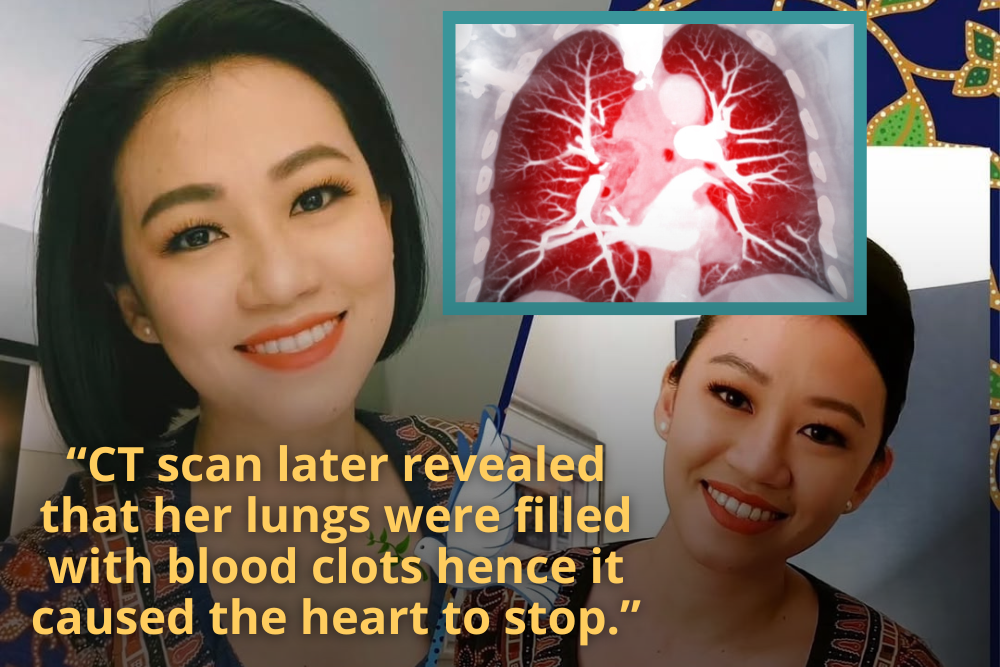
The death of a Singapore woman following ankle surgery has drawn attention to pulmonary embolism, a rare but recognised complication after injury and surgery. Here is what doctors know about the condition, who is most at risk, and how hospitals work to prevent it.
- Pulmonary embolism (PE) occurs when a blood clot blocks an artery in the lungs.
- Most pulmonary embolisms begin as a blood clot in the leg, known as deep vein thrombosis (DVT).
- Surgery, particularly after fractures or lower limb procedures, temporarily increases the risk of developing blood clots.
- Doctors routinely assess every patient’s risk and use measures such as early mobilisation, compression devices and blood-thinning medication to reduce the chances of clot formation.
- Although PE can be life-threatening, it remains an uncommon complication, and most patients recover from surgery without developing blood clots.
The recent death of a 40-year-old Singapore woman following ankle surgery has sparked renewed discussion about pulmonary embolism (PE), a medical emergency that can occur when a blood clot travels to the lungs.


View this post on Instagram
The former Singapore Airlines cabin crew member underwent surgery after sustaining an ankle fracture. She later developed sudden breathlessness and collapsed. Her death certificate reportedly listed pulmonary thromboembolism leading to multi-organ failure as the cause of death.
Her friend Magdalene shared in a heartfelt social media post: “She had a fall, a fall that could happen to anyone of us. She had a surgery, a straightforward surgery.”
“CT scan later revealed that her lungs were filled with blood clots hence it caused the heart to stop.”
While the circumstances surrounding any individual’s medical care cannot be determined without access to the full clinical details, pulmonary embolism is a recognised complication following surgery, particularly after injuries involving the lower limbs.
What is Pulmonary Embolism?
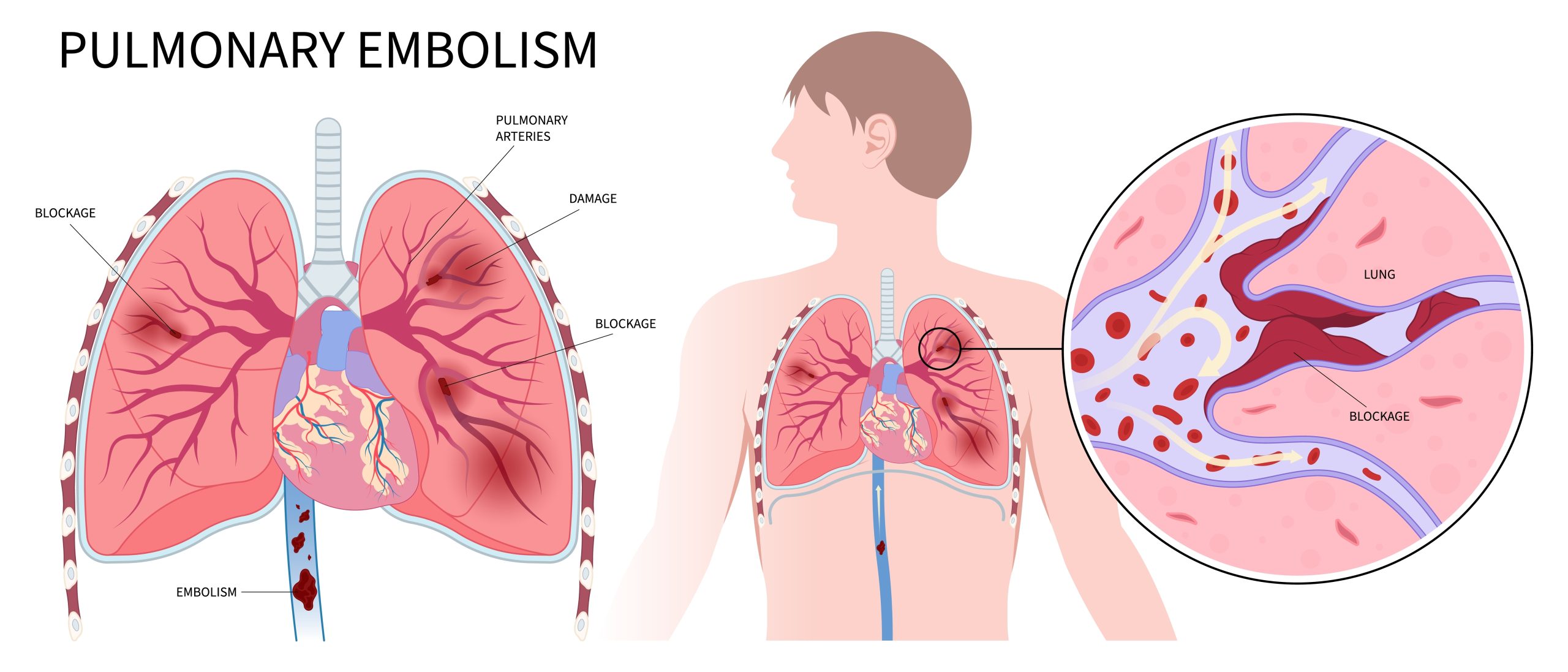
A pulmonary embolism happens when a blood clot blocks one or more arteries in the lungs.
In most cases, the clot does not originate in the lungs themselves. Instead, it forms in the deep veins of the leg or pelvis, a condition known as deep vein thrombosis (DVT). If part of the clot breaks away, it can travel through the bloodstream and become lodged in the pulmonary arteries.
Depending on the size and location of the blockage, a pulmonary embolism can reduce oxygen levels, place sudden strain on the heart and, in severe cases, become life-threatening.
Small pulmonary emboli may cause only mild symptoms or even go unnoticed, while larger clots can rapidly lead to cardiovascular collapse if not treated promptly.
How Does Surgery Increase The Risk of Blood Clots?
Blood clot formation after surgery is influenced by several factors that occur naturally during recovery.
Firstly, surgery itself activates the body’s clotting system as part of the healing process. This helps stop bleeding after an operation but can also make blood more likely to clot.
Secondly, patients often spend more time resting after surgery. Reduced movement, particularly after injuries affecting the legs, slows blood flow through the veins. Blood that pools in the legs is more likely to clot.
Finally, injuries such as fractures can damage blood vessels and trigger inflammation, further increasing clotting risk.
These factors together create the conditions in which deep vein thrombosis is more likely to occur.
Does Ankle Surgery Carry a Higher Risk?
Not all operations carry the same risk of developing blood clots.
Major orthopaedic procedures such as hip and knee replacements have long been recognised as carrying a higher risk of venous thromboembolism, which includes both DVT and pulmonary embolism.
Foot and ankle surgery generally carries a lower overall risk. However, certain factors can increase that risk, including:
- Prolonged immobilisation in a cast or walking boot
- Inability to bear weight on the affected leg
- Older age
- Previous blood clots
- Pregnancy or the postpartum period
- Use of oestrogen-containing medications, such as some oral contraceptive pills or hormone replacement therapy
- Inherited clotting disorders
The highest risk period is typically during the first few weeks after surgery, when patients are least mobile.
How Do Doctors Prevent Pulmonary Embolism After Surgery?
One of the most important parts of surgical care begins before the operation itself.
Rather than giving every patient the same treatment, doctors perform an individual venous thromboembolism (VTE) risk assessment. This helps determine whether the benefits of preventive treatment outweigh the potential risks, particularly bleeding.
Early Mobilisation
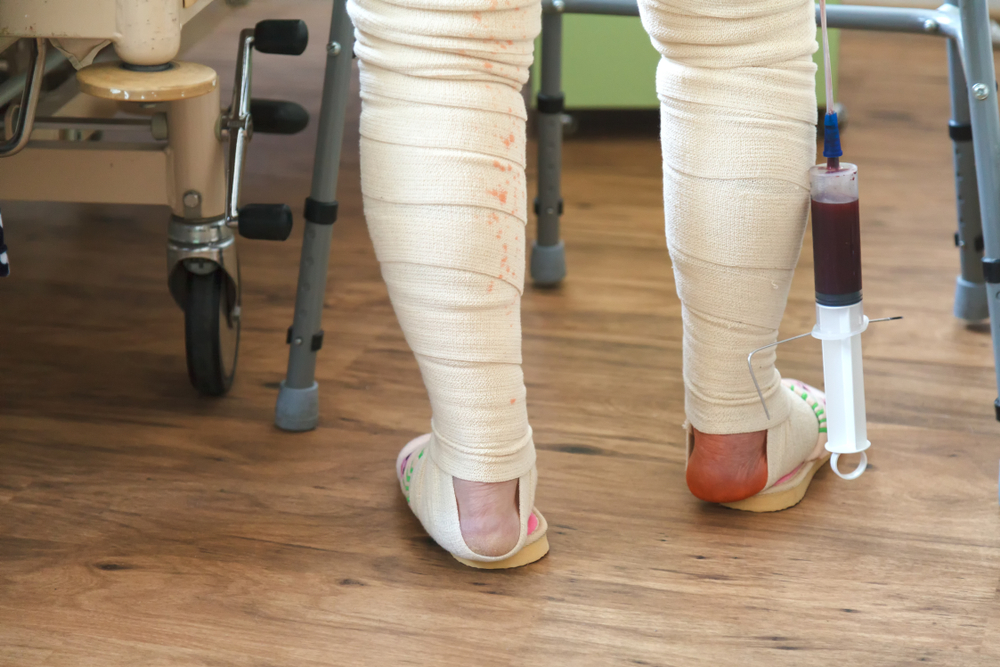
One of the simplest but most effective preventive measures is encouraging patients to move as soon as it is safe.
Walking, ankle exercises and regular leg movement help maintain blood flow through the veins and reduce clot formation.
Even patients who cannot walk immediately after surgery are usually encouraged to perform gentle leg exercises where possible.
Compression Stockings and Mechanical Devices
Some patients may be fitted with graduated compression stockings or intermittent pneumatic compression devices.
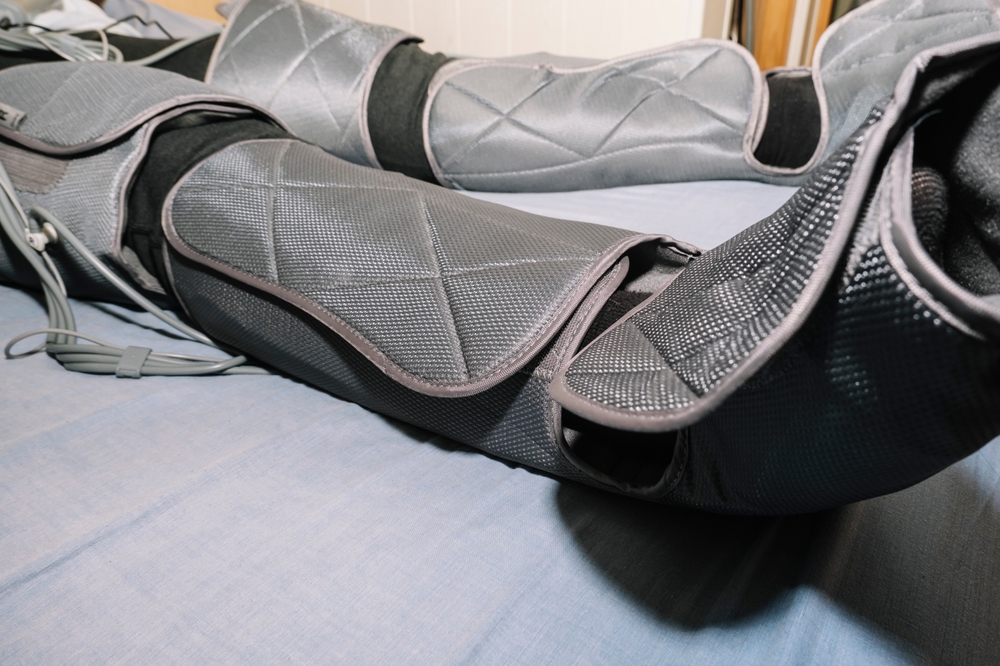
These devices gently squeeze the legs to improve blood circulation and reduce blood pooling while patients are less mobile.
Blood-thinning Medication
Patients at higher risk may receive anticoagulation therapy. This can include low-molecular-weight heparins (LMWH) such as enoxaparin, dalteparin and tinzaparin, given as a subcutaneous injection; or direct oral anticoagulants (DOACs) such as rivaroxaban or apixaban.
These medications reduce the blood’s tendency to clot and have been shown to lower the risk of postoperative venous thromboembolism.
Depending on the surgery and the patient’s overall health, blood thinners may be given as injections or tablets for days or even weeks after discharge.
However, anticoagulants are not appropriate for everyone because they also increase the risk of bleeding. Doctors carefully balance these competing risks before prescribing them.
Hydration and Recovery
Maintaining adequate hydration and following postoperative rehabilitation plans also support healthy blood circulation during recovery.
Can Pulmonary Embolism Still Happen Despite Precautions?
While preventive measures significantly reduce the likelihood of blood clots, they cannot eliminate the risk completely.
Every patient has a different combination of risk factors, and even individuals without obvious medical conditions can occasionally develop venous thromboembolism.
For this reason, both healthcare professionals and patients remain vigilant for warning signs after surgery.
Warning Signs of DVT
Early recognition can save lives.
Symptoms of deep vein thrombosis may include:
- Swelling in one leg
- Pain or tenderness, often in the calf
- Warmth over the affected area
- Redness or skin discolouration
If a clot travels to the lungs, symptoms of pulmonary embolism can include:
- Sudden shortness of breath
- Chest pain that may worsen when breathing deeply
- Coughing, sometimes with blood
- Dizziness or fainting
Anyone experiencing these symptoms after surgery should seek emergency medical attention immediately.
Should I Be Worried About Surgery?
Before routine blood clot prevention became standard practice, studies found that many patients undergoing major orthopaedic surgery developed deep vein thrombosis (DVT) if no preventive measures were used.
Today, with risk assessments, early mobilisation, compression devices and anticoagulant medications where appropriate, the risk has fallen dramatically. Even so, a small proportion of patients may still develop DVT or pulmonary embolism despite these precautions.
Patients should follow their surgeon’s recovery instructions, stay as active as advised, take prescribed medications exactly as directed and seek medical attention promptly if concerning symptoms develop.
Understanding the warning signs can help patients recover safely while recognising when urgent care may be needed.
Header image courtesy of Magdalene Tay Chien

