

As World Cup 2026 football injuries side-line top global stars, orthopaedic specialists highlight crucial lessons for local athletes playing in tropical heat.
For every moment of magic on the pitch at World Cup 2026, there has been a quieter story unfolding in the treatment room. Long before the opening match, some of the world’s most gifted footballers were already side-lined. The absences spanned all three host nations: the United States, Canada, and Mexico. None were caused by poor form, but torn ligaments, fractured bones, and strained muscles.


For orthopaedic specialists in Singapore and across Southeast Asia, the same injuries seen in clinics are playing out during this year’s World Cup. So, why does football as a sport result in so many orthopaedic injuries?
Dr Sean Leo, Orthopaedic Surgeon at Orthokinetics, explains that “Football involves frequent sprinting, sudden deceleration, sidestepping, pivoting and landing. Often while the player is reacting quickly to the ball, an opponent or an unexpected change in play. These movements can generate substantial forces across the knee, particularly when the player is supporting their weight on one leg”.
The Ligament Injuries That Ended Dreams Early

Brazil arrived as the tournament’s hardest-hit squad. The team lost Real Madrid forward Rodrygo to a torn anterior cruciate ligament (ACL) and meniscus back in March. The injury, valued at an estimated £87 million, closed the door on his World Cup dreams before it had even opened.
His teammate, Éder Militão, was also out with a hamstring injury requiring surgery. The Netherlands suffered a similar blow as midfielders Xavi Simons and Jerdy Schouten were both sidelined by ACL ruptures. Meanwhile, Scotland’s Billy Gilmour was withdrawn after injuring his knee in the team’s final warm-up match.
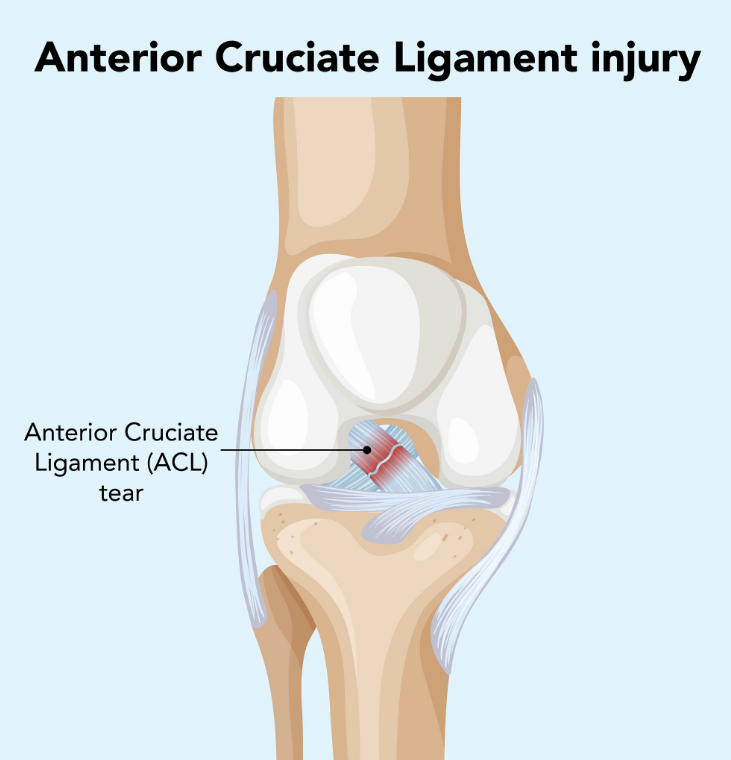
These are not unlucky one-offs. ACL tears in football are, more often than not, non-contact injuries, the kind that happen in a split-second pivot or an awkward landing, and they typically demand nine to twelve months of recovery even after a successful reconstruction.
Dr Sean Leo explains the biomechanics behind non-contact ACL injuries, “The player’s foot is usually planted on the ground while the body and trunk continue moving or turning in a different direction.
The knee may then move inwards and rotate as the shin bone shifts in relation to the thigh bone. This combination of bending, inward collapse, rotation and shear force can place a very high load on the ACL. If the combined load exceeds the ligament’s ability to withstand it, the ACL may tear. These injuries commonly occur during single-leg movements such as pressing, attempting a tackle, changing direction or landing.”
When Fatigue Becomes the Real Opponent
FIFA’s Venue Medical Officer, orthopaedic surgeon Riley J. Williams III, observed a shift as the tournament progressed. As players clocked up minutes across a punishing schedule, fractures and ankle injuries became more common. Canadian midfielder Ismael Kone suffered a broken leg, and German defender Nico Schlotterbeck suffered ankle injury. The two injuries were both sustained within days of each other during the group stage.
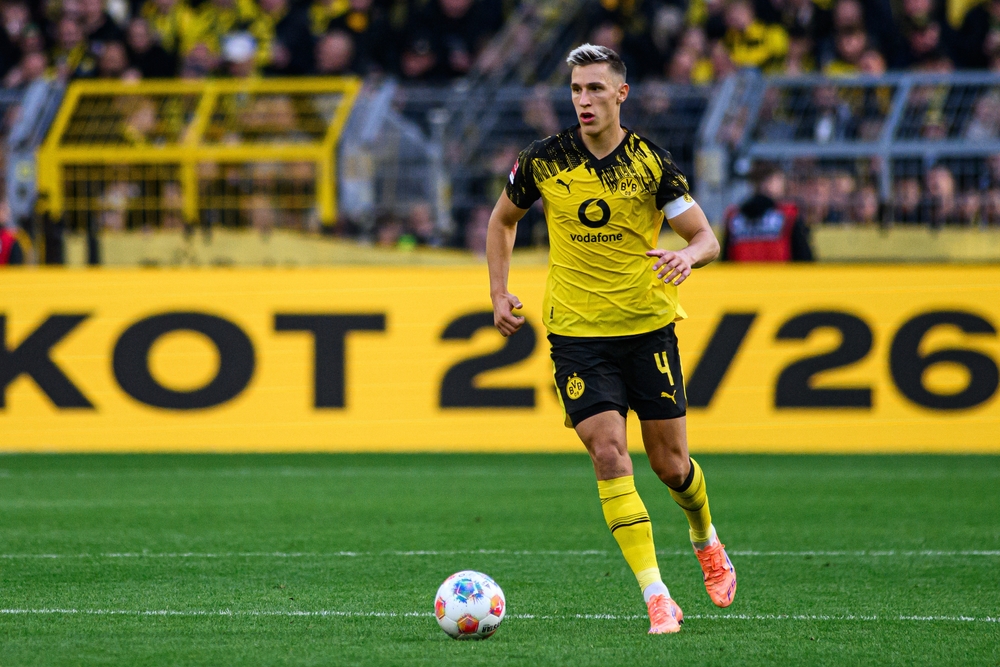
It is a pattern familiar to anyone who has treated weekend warriors after a long tournament weekend. As muscles tire, the body’s natural shock absorbers switch off, and joints and bones end up bearing the brunt instead.
Addressing the role of fatigue in complex joint injuries, Dr Sean Leo notes, “(Fatigue) can alter landing and cutting technique, muscle control and reaction time. Nevertheless, fatigue should not be regarded as a single direct cause of ACL injury. ACL tears usually result from a combination of the player’s movement, physical conditioning, neuromuscular control, the match situation and environmental or equipment-related factors.”
The Heat Nobody Saw Coming
Then there was the heat. Fourteen of the sixteen host stadiums recorded wet bulb globe temperatures of 28 degrees Celsius or higher, with several venues pushing past 30 degrees during June and July fixtures. Heat does more than make players uncomfortable; it dulls reaction time and muscle control, quietly raising the risk of strains and tears even in players who are otherwise fit and well prepared.
“These effects (from heat) can lead to earlier physical and mental fatigue, reduced endurance and, in some circumstances, impaired concentration or decision-making.”, clarifies Dr Sean Leo.
For those of us living in Singapore, this part of the story feels especially close to home. Our footballers, from schoolboys chasing a ball after class to weekend league players, train in conditions that would not feel out of place at some of this World Cup’s toughest venues.
How to Prevent Football Injuries in Hot Weather
To safeguard athletes playing in hot and humid conditions, Dr Sean Leo recommends key practical precautions:
- Acclimatise gradually: Safely adapt to tropical heat over 7 to 14 days by progressively increasing training duration and intensity.
- Time sessions wisely: Schedule long or intense workouts during cooler hours, adjusting rest breaks when humidity spikes.
- Prioritise shade & cooling: Take breaks in shaded areas, wear lightweight kit, and use cold drinks, ice towels, or fans.
- Hydrate smart: Tailor fluid intake to individual sweat rates, adding sodium for prolonged play while avoiding both dehydration and over-drinking.
- Do not play sick: Skip strenuous sessions if recovering from fever, illness, or stomach bugs, as these severely drop heat tolerance.
- Spot red flags early: Stop immediately if experiencing dizziness, nausea, or weakness. Treat sudden confusion, collapse, or unsteadiness as a heat stroke emergency requiring immediate cooling.
Dr Sean explains more on knee symptoms after sport in the following video:
View this post on Instagram
What This Means Closer to Home
None of this is simply a case of admiring, or wincing at, what happens on television. The injuries seen at World Cup 2026 carry real lessons for orthopaedic care in our own backyard. Pre-season screening can catch the kind of muscle imbalances that precede ACL injury. Rotating players and monitoring training load can prevent the fatigue-related fractures and sprains that crept in during the tournament’s later stages. And treating heat as a genuine medical variable, not just an inconvenience, may be one of the simplest ways to keep local athletes safer on the pitch.
World Cup 2026 will be remembered for its goals, its upsets, and its remarkable football. But for those in orthopaedic and sports medicine, it has also been a reminder that the risks faced by the world’s best players are not so different from those faced by the athletes walking into our own clinics. As football continues to grow across Singapore and Southeast Asia, so too does the responsibility to apply these lessons close to home.
References:
- Bushnell, H. (2026, June). World Cup 2026 injuries: 18 confirmed absences listed. Everything Edinburgh.
- Men’s Journal. (2026, June). FIFA’s World Cup venue medical officer reveals the injuries that become more likely as tournament fatigue builds.
- RotoWire. (2026). World Cup injury table. RotoWire Soccer.
- Brunel University London. (2026). FIFA must rethink 2026 World Cup fixtures to protect players from extreme heat.

