


Rising temperatures are not just uncomfortable – Singapore’s hot weather is quietly harming our skin, mood, memory and health. Here is how the heat is reshaping daily life in ways we might not realise.
It’s 2025, and it’s a misfortune for us to be stepping outside and only feeling the humidity clinging stubbornly to our skin, while the sun beats down on us with an almost tangible force.


Yet, this is a typical day for the average Singaporean.
Just a couple of years ago, our temperature hit a 40-year high at 37 degrees Celsius – and it seems that the heat is only going to go up from here. It has already been projected that by the end of this century, daily temperatures of over 35 degrees Celsius will be the norm.
For some of us, it seems like a distant issue for a future population to contend with. But if you think our current weather conditions have minimal impacts on you and those around you, think again.
How High Heat Harms
The effects of our scorching weather have already been taking a toll on our bodies and minds – and the ramifications are more severe than one would expect.
The Physical Burdens
In a tropical climate like Singapore’s, higher temperatures can easily put us at greater risk of heat stress, which means that our body will be less sufficiently capable of cooling itself when it needs to. Prolonged heat exposure will only add pressure to our cardiovascular and respiratory functions. At its extreme, it can cause dehydration, heatstroke, and a number of other heat-related injuries.
Children and those with chronic conditions are particularly vulnerable to the complications associated with heat stress.
Furthermore, if your internal systems are under fire, your outer skin probably isn’t doing so hot either.
According to Dr Vanessa Lim, a consultant at the National Skin Centre, conditions like eczema or hives can worsen, or even develop, as a result of high temperatures.
“During the hot season, sweat tends to get trapped in body parts like the inner side of the elbows, the back of the knees and the area around the neck,” she explained in CNA. “These areas may present with more rashes that can be very itchy and disturbing to the quality of sleep or even day-to-day quality of life.”
The Cognitive Repercussions
Even if your body is robust enough not to fall under the heat, the physical discomfort it brings is bound to have an adverse impact on your mind.
In such extreme weather conditions, it’s not uncommon for us to have decreased memory, display slower decision making, and pay less attention to tasks. As it is, studies have highlighted how hot environments can cause a significant decline in work productivity and academic performance.
After all, it can be hard to focus when we’re too occupied with wiping away our sweat and trying to get over the sensation of our brains melting.
And with nighttime temperatures rising as well, we could experience greater sleep disturbances, leading to a quicker exhaustion of our mental reserves and further impairing our cognitive function.
The Psychological Aftermath
Often, a consequence of excessive heat is a reduced ability to regulate emotions. It can intensify feelings of irritability, heighten stress, and even trigger mood swings.
Over time, it could possibly lead to the development of a wide array of mental health issues, including uncurbed rumination and depression.
But our mood changes don’t just affect us as individuals; it can ripple outward into our relationships too. Having more sensitive reactions to situations can lead to more frequent arguments, reduced patience, and even more aggressive behaviours. The cycle of heat-induced tension can erode communication, and strain your connection with others.
Finding Ways to Chill
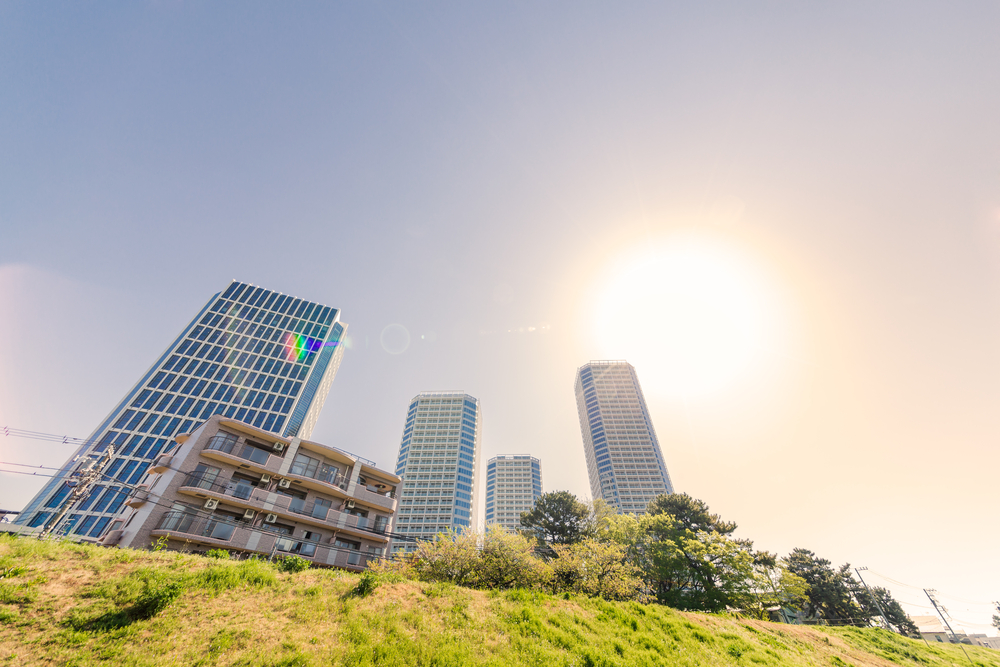
Given how rising temperatures can have both overt and invisible impacts on our overall wellbeing, unless a climate miracle occurs (or every single human on the planet is suddenly imbued with a very strong and highly specific responsibility towards environmental preservation at this very moment), we’re going to be in trouble.
And while Singapore’s built environment gives some support in this area, including design features on buildings to regulate heat, and plenty of trees and covered walkways for shade, that’s not always enough.
So as the temperatures climb, it’s time to actively adjust our daily habits, and embrace a new mindset: resilience.
Augmenting Our Physiology
Resilience is about accepting our impending weather woes, and actually preparing our bodies to handle it, as opposed to staying forever frosty in an air-conditioned room.
One way is through heat acclimatisation. This means gradually getting used to warmer temperatures by spending a certain amount of time outdoors every day.
You can start by spending about half an hour walking outside at a time of day that is a little warmer, and slowly increase the duration over time.
Be sure to hydrate frequently during your walk, and pace yourself depending on your level of fitness to avoid overexertion. The point is to get yourself used to the hot weather, not push yourself into a heat-related faint.
Modifying Our Routines
Outside of work or fixed obligations, try to shift your schedule to avoid peak heat hours. This means setting outdoor activities or exercise, and errands early in the morning or later in the evening when temperatures are more manageable.
If your work doesn’t come with air conditioning, take breaks in cooler environments during the hottest times of the day.
You can also adapt your diet to hotter temperatures, and limit your intake of alcohol and sugary drinks too, as they can be dehydrating.
Taking multiple short, cold showers throughout the day could also help your body maintain a comfortable temperature.
Dressing for the Heat
Wearing lightweight and loose clothing when we’re out during the day can help us stay cool. Avoid tightly-fitting clothes that restrict airflow, and opt for moisture-wicking fabrics, or those from bamboo, cotton or linen.
As a side note, toting a small portable fan around can be a lifesaver, providing immediate relief.
Remember that adapting is not only essential for the preservation of our health, but for helping us to thrive in the hotter future that awaits.
External References
- Baecker, L., Iyengar, U., Piccolo, M. C. D., & Mechelli, A. (2025). Impacts of extreme heat on mental health: Systematic review and qualitative investigation of the underpinning mechanisms. The Journal of Climate Change and Health, 22. Retrieved from: https://www.sciencedirect.com/science/article/pii/S266727822500029X
- Begum, Y. (2023, May 13). Temperature soars to 37°C in Singapore, equals record for daily high set in 1983. CNA. Retrieved from: https://www.channelnewsasia.com/singapore/heat-hot-temperature-37-degrees-celsius-record-highest-daily-maximum-3486581
- Chin, H. S. (2025, January 9). ‘Heat stress is a silent killer’: How heat can affect mental health in workers. The Straits Times. Retrieved from: https://www.straitstimes.com/singapore/heat-stress-is-a-silent-killer-how-heat-can-affect-mental-health-in-workers
- Gordon, S. (2024, July 28). Safety Tips for Avoiding Heat-Related Illness and Injury. Health. Retrieved from: https://www.health.com/avoid-heat-illness-injury-7567017
- Koh, W. T. (2024, January 5). Feeling hot, more often? More days of extreme heat predicted in National Climate Change Study. CNA. Retrieved from: https://www.channelnewsasia.com/singapore/very-hot-days-more-frequent-dry-spells-rainfall-extreme-weather-national-climate-change-study-4021261
- Lau, D. (2024, January 5). Days hotter than 35°C almost all year round within this century: 5 key takeaways from Singapore’s new climate study. CNA. Retrieved from: https://www.channelnewsasia.com/sustainability/singapore-hotter-days-dry-spells-intense-rainfall-climate-change-research-4027086
- Lee, L (2024, January 14). Feeling the heat? Climate change worsens mental health, experts warn. Today. Retrieved from: https://www.todayonline.com/singapore/heat-climate-change-mental-health-2341876
- Lee, L. (2025, May 30). ‘Too hot to think’: Rising heat leaves Singapore students cranky and distracted. CNA. Retrieved from: https://www.channelnewsasia.com/today/ground-up/singapore-heat-students-school-fans-sunblock-breathable-uniforms-5159201
- Liu, J., & Christopoulos, G. (2024, April 22). Commentary: A hotter Singapore will change how we work and live. CNA. Retrieved from: https://www.channelnewsasia.com/commentary/singapore-hot-weather-rest-break-aircon-night-4277606
- Stacey, S. (2023, July 25). When temps rise, remember these heatstroke prevention tips. Mayo Clinic. Retrieved from: https://www.mayoclinichealthsystem.org/hometown-health/speaking-of-health/when-temps-rise-remember-these-heatstroke-prevention-tips
- Teng, R., & Ng, D. (2024, January 10). Concerns grow over heat-related health risks as Singapore gets warmer. CNA. Retrieved from: https://www.channelnewsasia.com/singapore/singapore-weather-heat-stress-higher-warmer-temperatures-2100-climate-study-health-risks-concerns-4036561
- Vinney, C. (2024, July 31). High Temps Aren’t Just Bad For the Earth—They Affect Your Brain Too. Verywell Mind. Retrieved from: https://www.verywellmind.com/how-does-extreme-heat-affect-your-brain-8684875

