

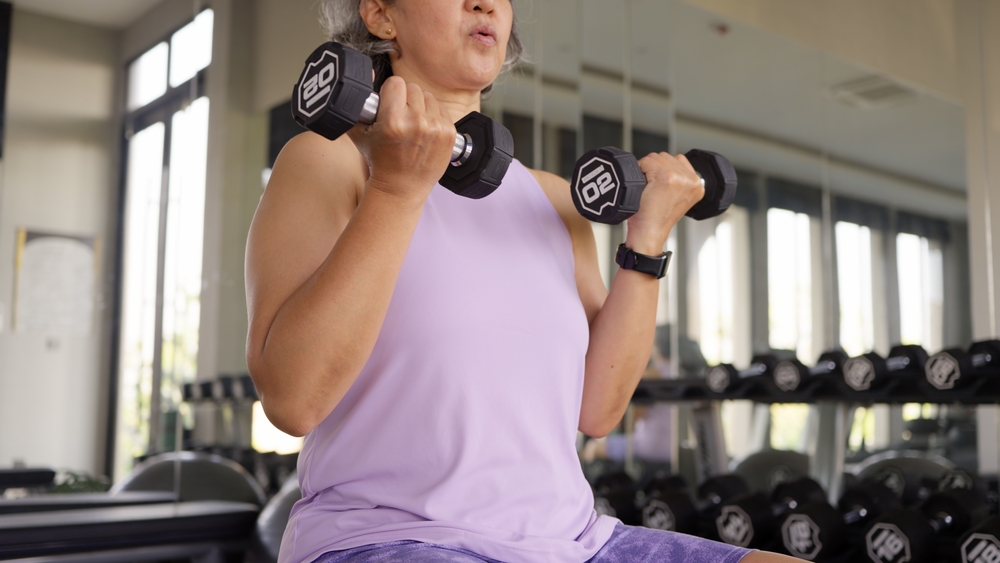
Strength training for healthy ageing can start with a chair or resistance band. For older adults in Asia, protecting muscle strength can help keep everyday tasks manageable and independence within reach.
A morning walk, a trip to the wet market, a few laps around the neighbourhood park. For many older adults, these routines are a reassuring sign that they are keeping active.


Yet staying on your feet is only part of ageing well. The strength needed to climb stairs, carry groceries or get out of a low chair also deserves attention. When these movements become harder, the consequences can reach beyond exercise into everyday independence. Strength training helps preserve those abilities. It can begin at home, with manageable movements and resistance that increases as your muscles become stronger.
Therefore, healthy ageing calls for a combination of aerobic activity, muscle strengthening and balance exercises. Walking remains valuable, but your muscles also need activities that challenge their strength!
Why Does Muscle Loss Matter as We Age?
Age-related muscle loss can develop gradually, making it easy to dismiss early changes as simply “getting older”. Shopping bags feel heavier. Stairs require more effort. Standing up means pushing harder against the armrests.
Sarcopenia is a muscle condition involving low muscle strength and reduced muscle quantity or quality. In more severe cases, physical performance also declines. It can make everyday activities more difficult and increase vulnerability to falls and loss of independence.
Singapore’s multidisciplinary recommendations on muscle health identify resistance exercise and appropriate nutrition as central parts of managing this problem. They also emphasise assessment and intervention tailored to the individual.
The practical concern is how much strength you have available for daily life. If getting out of a chair already takes considerable effort, even a small further decline may make that movement more difficult.
Is Walking Enough for Healthy Ageing?

Walking is worth keeping. It supports cardiovascular fitness and offers an accessible way to stay active.
However, different activities place different demands on the body. A familiar walk may challenge your heart and lungs without giving your muscles enough resistance to become substantially stronger.
Strength training, also called resistance exercise, involves working muscles against a load. That might mean dumbbells, resistance bands, gym machines or your own body weight.
Older adults benefit from combining this with aerobic and balance activities. The World Health Organization recommends muscle strengthening on at least two days a week, alongside varied activities emphasising balance and strength on three or more days to support function and prevent falls. WHO physical activity recommendations
Think of strength training as another part of your weekly routine. Your morning walk can stay; your muscles need some dedicated attention too.
What Does Strength Training Look Like?
It may look surprisingly ordinary: repeatedly rising from a sturdy chair, pushing against a wall or pulling a resistance band.
These movements train muscles used throughout the day. The legs and hips help you stand and climb steps. The back, chest, shoulders and arms help with carrying, lifting and reaching.
The important ingredient is an appropriate challenge. Repeating a movement that feels effortless is different from working against resistance that makes the final repetitions demanding.
The US Centers for Disease Control and Prevention suggests trying eight to 12 repetitions per activity, starting with at least one set. The right starting point depends on your ability; some people need fewer repetitions or an adapted movement.
Begin with movements you can control. As they become easier, gradually increase the resistance or difficulty. Progress should match your abilities, rather than someone else’s weights.
How Often Should Older Adults Train?
Aim for muscle-strengthening activities at least twice a week. This is also the recommendation in Singapore’s Physical Activity Guidelines, as highlighted by the Ministry of Health in January 2026.
For beginners, establishing a routine may be the first hurdle. Choose realistic times and exercises that fit your surroundings, whether at home or in a community programme.
Singapore’s Ministry of Health points to Start2Move as a beginner-friendly programme offering guided introductions to strength-building exercises. It also identifies Active Ageing Centres and the Healthy 365 app as channels for engaging seniors in strength training.
Guidance can be especially useful when unfamiliar equipment or uncertainty about technique is holding you back.
Strength Training With Joint Pain or a Long-term Condition
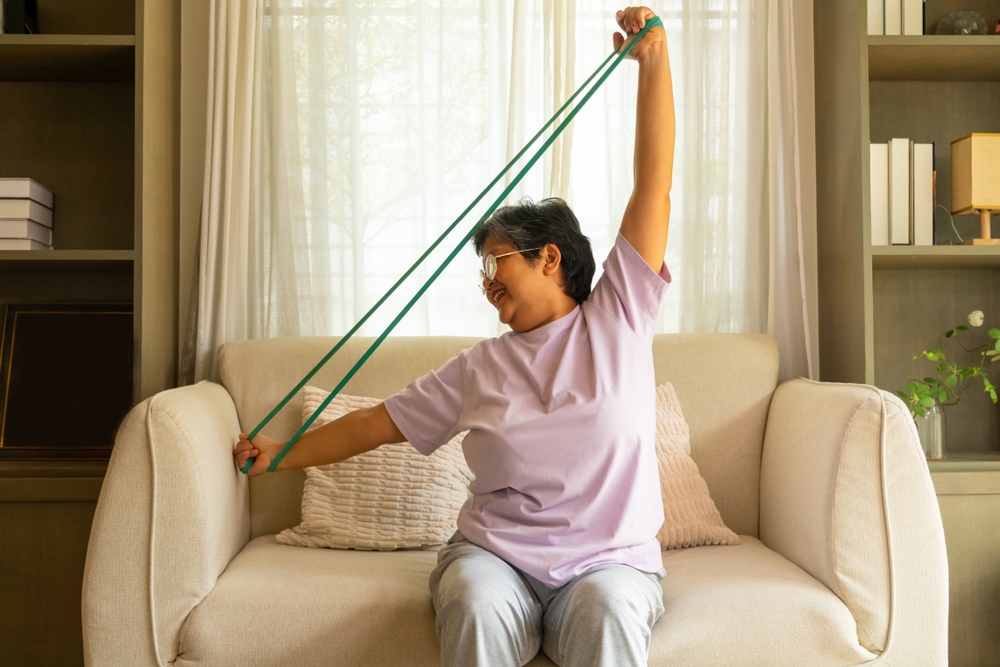
Exercise should fit the person doing it. Joint pain, limited mobility or a long-term condition may call for adjustments to the movement, resistance or level of support.
A physiotherapist or appropriately qualified exercise professional can help tailor a programme. If you have a chronic condition and are unsure what is suitable, discuss the type and amount of activity with a healthcare professional.
Needing an easier starting point is not a failure. An exercise that is manageable today can provide a foundation for doing more later.
Eating To Protect Your Muscles
Exercise and nutrition work together. Protein supplies the building blocks needed to maintain and repair muscle, while adequate overall food intake supports training and recovery.
Familiar options include fish, eggs, chicken, tofu, tempeh, beans and dairy products. Including protein-containing foods across meals can be more practical than relying on a single large serving.
Poor appetite, unintentional weight loss or difficulty eating deserve attention. Individual dietary advice is particularly useful when medical conditions affect nutritional needs. Singapore’s muscle health recommendations support combining resistance exercise with nutritional assessment and appropriate dietary support.

The reward for building strength may be an easier journey home from the market, a more confident climb up the stairs or less effort getting out of bed. These everyday freedoms are powerful reasons to begin.
Adapted from article by Christopher Hurst, Newcastle University, originally published in The Conversation, with additional Singapore context and public health guidance.

