

Fibremaxxing has made eating more fibre a social media challenge. While fibre supports gut health, a sudden increase can bring bloating and discomfort. How do you get the benefits without pushing your gut too far?
We can always turn to social media when it comes to the next nutritional trend set to “transform” the way we eat. First, there was protein everything. Then, gut health and fermented foods. Now, fibre is having its moment – in the form of “fibremaxxing”.


The concept is simple: eat more fibre, reap more health benefits. So you start adding chia seeds in your breakfast cereal, berries on your snack plate, and vegetables in every lunch and dinner.
In all honesty, this is a pretty healthy way to eat.
However, there is a difference between getting enough fibre, and completely maximising your fibre intake. Push too hard, and an innocent bowl of lentils can leave you feeling a little too bloated.
So before you turn every meal into a fibre challenge, let us take a look at what fibre can actually do for your health – and determine how to consume it in a way that is right for you.
What Is Fibremaxxing?
First off, what even is fibre?
Fibre refers to the part of plant food that your body cannot fully digest. Instead of being broken down and absorbed like many carbohydrates, different types of fibre travel mostly intact through the digestive tract, where some can be fermented by gut bacteria upon reaching the large intestine.
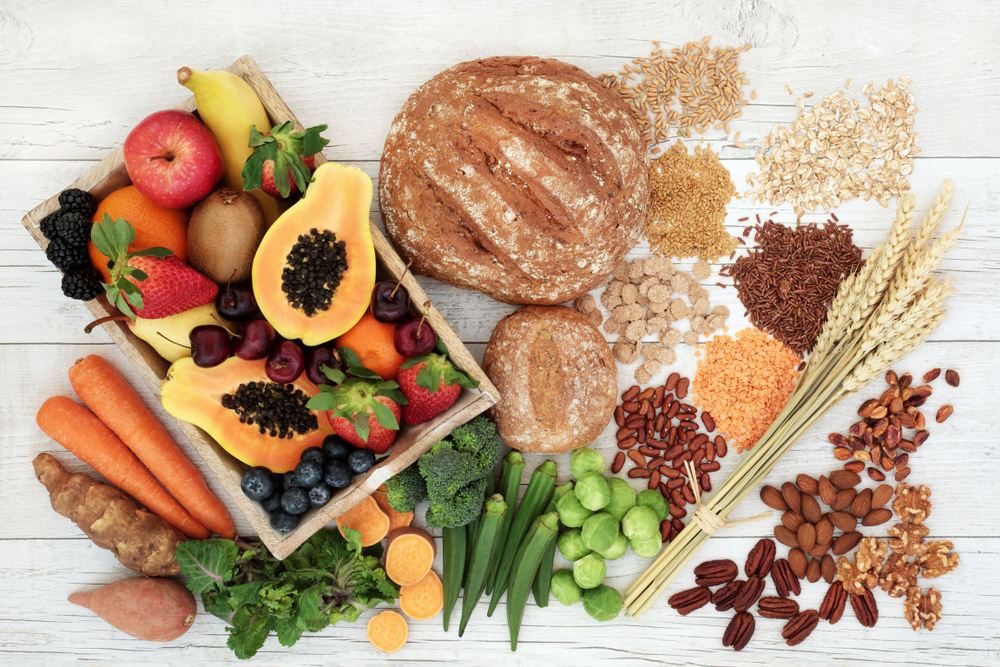
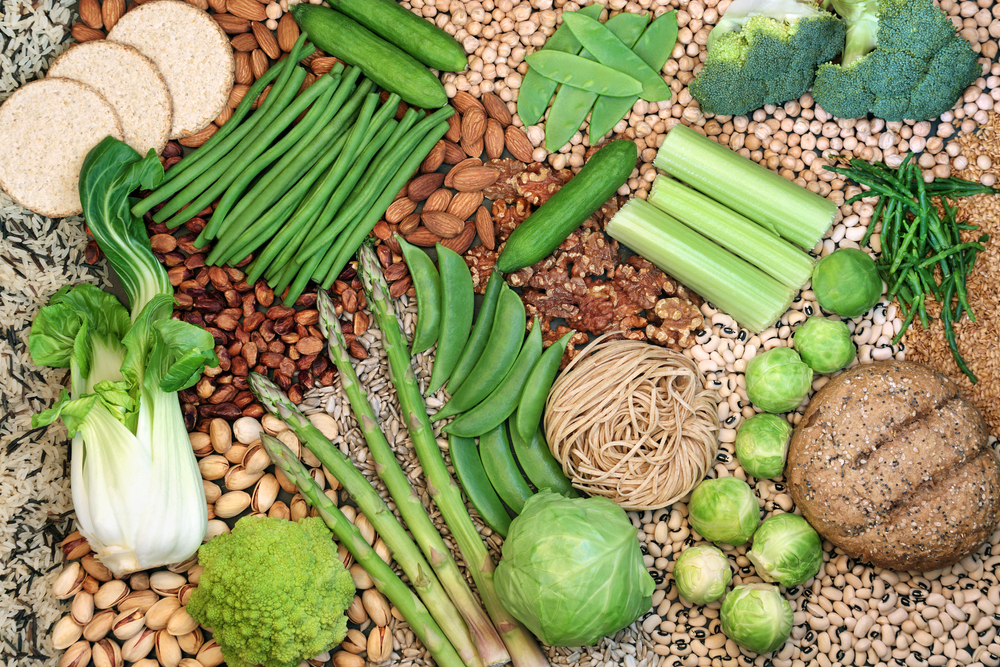
“Common sources include whole grains, like brown rice, oats, quinoa and barley; legumes, like chickpeas, beans and lentils; fresh and dried fruit; vegetables; and nuts and seeds,” said Denise Tam, a Hong Kong-based holistic nutritionist, in South China Morning Post.
There are also two types of fibre: soluble and insoluble.
Soluble fibre can dissolve in water to form a gel-like substance in the gut that helps to soften stool.
This is in contrast to insoluble fibre, which is “roughage” that cannot be dissolved but helps us have heavier and more frequent bowel movements.
“Think of the skins of vegetables, or the bran in whole grains. Insoluble fibre moves through your digestive system, helping to sweep things along, like a broom,” Tam explained.
Fibremaxxing is simply a social-media-friendly way to describe deliberate attempts to consume large amounts of dietary fibre.
Why We Need More Fibre
Adults generally need between 25 grams to 34 grams of daily fibre – but many often fall short of this benchmark.
As such, fibremaxxing may actually be a legitimate solution for this deficiency – and it helps that eating more fibre comes with a variety of benefits, including:
Improving General Health
High-fibre diets have been associated with lower risks of cardiovascular concerns and other chronic diseases such as colorectal cancer. It is also believed to lower blood pressure, improve blood sugar levels, reduce inflammation, and improve blood lipids.
Supporting Weight Management
Fibre can make meals more filling. It can slow digestion and leave us feeling satiated for longer, making it less likely for us to reach for a snack in between meals.
Enhancing Gut Health
Fibre is perhaps most famous for keeping our digestive system moving, helping us to maintain healthy bowel function. In addition, our digestive system contains trillions of microorganisms, also known as the gut microbiome, by which certain types of fibre can be fermented to produce compounds that support health while preventing the growth of harmful bacteria.
Can You Eat Too Much Fiber?
While we could generally do with a little more fibre a day, it is important not to overconsume it.
If your digestive system is unaccustomed to large amounts of fibre, suddenly eating enormous quantities can make the transition decidedly uncomfortable. Side effects include:
- Bloating
- Gas
- Digestive troubles
Furthermore, fibremaxxing is not for everyone. For those with digestive conditions such as irritable bowel syndrome, less fibre may actually be recommended to avoid triggering symptoms. Before making any drastic changes in diet, it would be best to consult a doctor.
Upping Your Fibre Intake the Right Way
While fibre deserves the hype, maybe “maxxing” is not always the way to go.
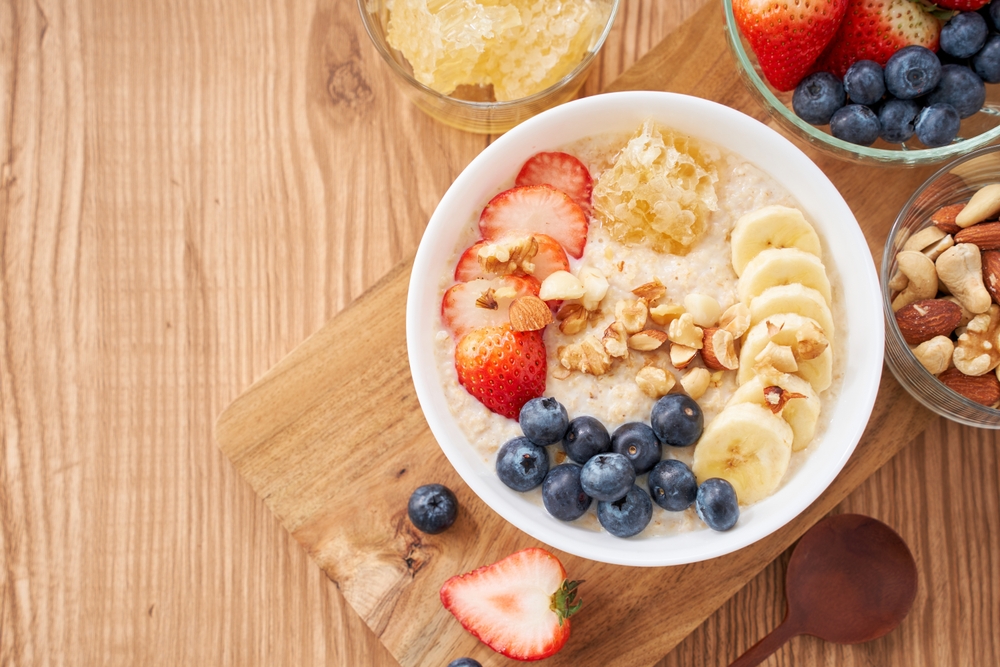
If you want to enjoy the benefits of fibre without the unfortunate digestive discomforts, the key is to increase your intake gradually instead of all at once. For instance, just sprinkle some chia seeds into your yoghurt instead of packing in a handful, or swap your white bread for whole-wheat versions during breakfast. A measured increase gives your digestive system and gut microbiome time to adjust.
It helps to start with fibre-rich whole foods such as vegetables, fruits, legumes and whole grains, which are also filled with essential vitamins and other nutrients.
It is also important to drink enough water as you increase your fibre intake. Fibre and fluids work together to support healthy bowel movements, so make sure you get adequate hydration if you want to avoid the constipation.
Remember that healthy eating is not about turning every meal into an endurance event, but about leaving your body feeling nourished and satisfied.
External References
- Avena, N. (2026, March 31). What Is Fibermaxxing, and Is There Science Behind It? Psychology Today. Retrieved from: https://www.psychologytoday.com/sg/blog/food-junkie/202603/what-is-fibermaxxing-and-is-there-science-behind-it
- Cleveland Clinic. (2025, April 30). Your Fiber Intake: What’s the Right Amount? Retrieved from: https://health.clevelandclinic.org/how-much-fiber-per-day
- Gonzales, S. (2025, July 26). What is ‘fibermaxxing’? 5 health benefits of the new nutrition trend. South China Morning Post. Retrieved from: https://www.scmp.com/lifestyle/health-wellness/article/3319360/what-fibermaxxing-5-health-benefits-new-nutrition-trend?module=perpetual_scroll_0&pgtype=article
- Lubeck, B. (2026, February 19). What Happens to Your Body When You Eat More Fiber. Verywell Health. Retrieved from: https://www.verywellhealth.com/fibermaxxing-11750157
- Manaker, L. (2026, March 24). We Asked 3 Dietitians If You Should Try ‘Fibermaxxing.’ They All Said The Same Thing. Health. Retrieved from: https://www.health.com/should-you-try-fibermaxxing-dietitians-weigh-in-11774032
- Onque, R. (2025, July 31). #Fibermaxxing is trending on TikTok: It’s pretty safe, dietician says—but could be ‘too much of a good thing’ if you’re not careful. CNBC. Retrieved from: https://www.cnbc.com/2025/07/31/fibermaxxing-tiktok-trend-could-lead-to-too-much-of-a-good-thing.html
- Rogers, K. (2025, July 27). Is the ‘fibermaxxing’ trend good for you? Yes, and here’s why. CNN. Retrieved from: https://edition.cnn.com/2025/07/26/health/fibermaxxing-tiktok-trend-fiber-benefits-wellness

