

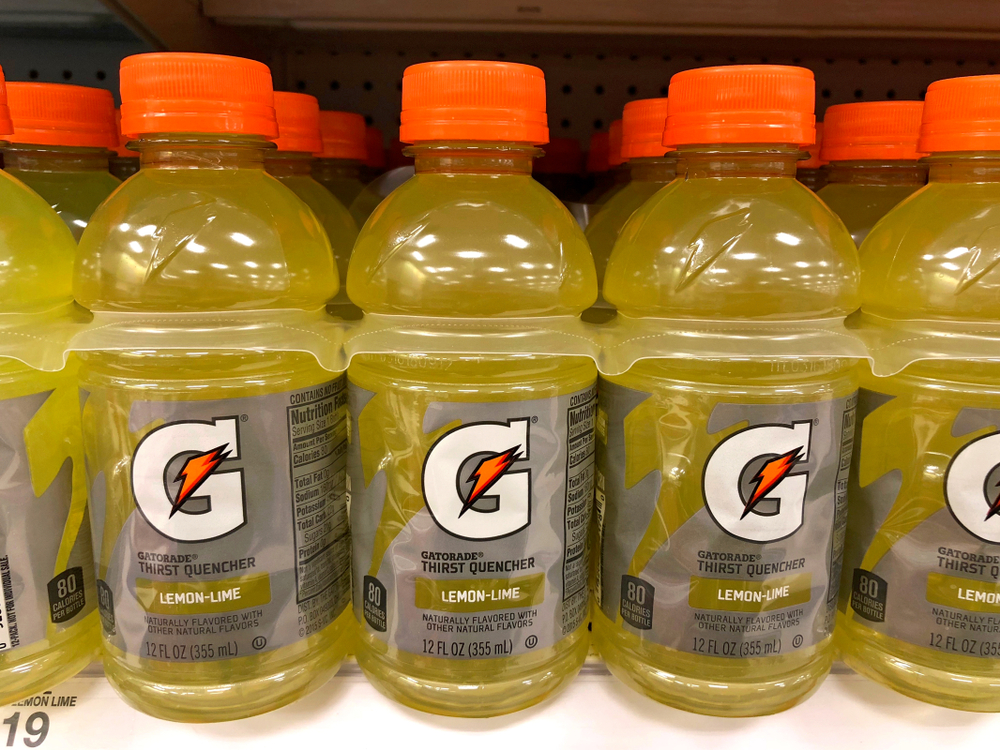
A US Gatorade recall over undeclared food dyes raises questions beyond American supermarket shelves. We examine why colourings are used, who may react to them and what consumers in Asia should check.
A sports drink recall can turn a familiar supermarket purchase into a source of anxiety. Add “undeclared food dyes” to the headline, and suddenly that bright orange bottle looks rather less refreshing.


PepsiCo has recalled 122,021 cases of 28-ounce Gatorade bottles containing undeclared Yellow No. 5 and/or Yellow No. 6, according to the FDA enforcement record. The affected products are Lemon Lime, Lemon Lime Zero, Orange and Orange Zero.
What Does “Undeclared Food Dyes” Actually Mean?
“Undeclared” means an ingredient is present but has not been disclosed on the label. It does not automatically mean the colouring is banned or present at a toxic level. However, this is still important information. Someone who knows they react to a particular dye relies on the ingredient list to avoid it. An inaccurate or incomplete label takes away that gency.
The company initiated the recall on 25 September 2026. The FDA classified it as Class II on 2 October, meaning temporary or medically reversible health effects are possible, or the likelihood of serious harm is remote.
Why Do We Add Colour To Food?
Colour helps shape what we expect food to taste like. Pink icing might suggest strawberry, while a bright orange drink brings citrus to mind, even before the first sip.
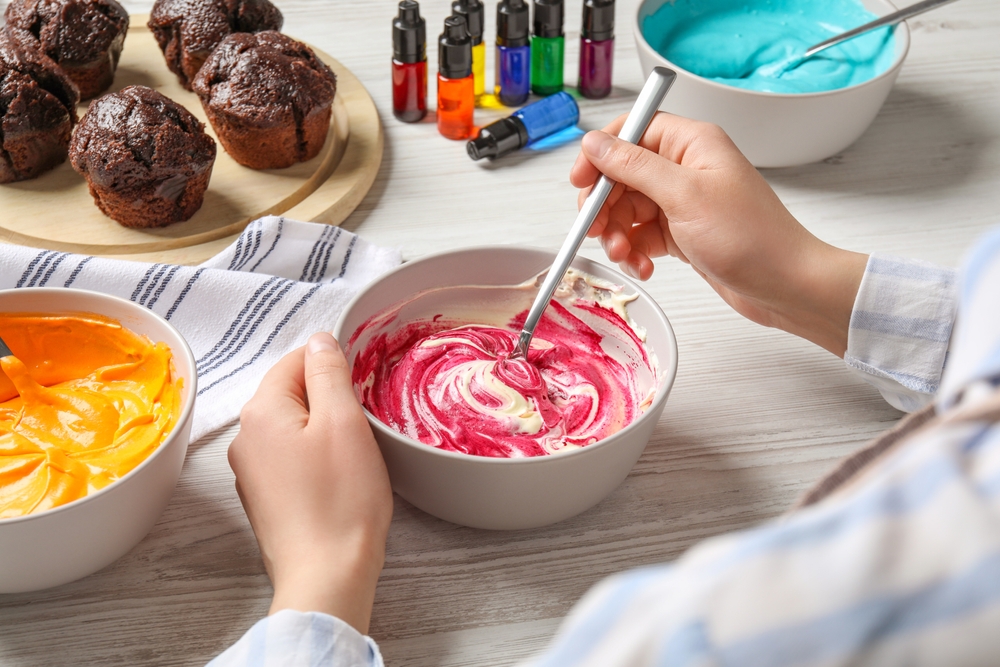
Food colouring is also something many of us use at home. A few drops can turn plain cupcake frosting blue for a birthday party, give biscuits a festive finish or create rainbow layers in a cake. Bakers and cafés use colourings for similar reasons: to decorate food and make it more visually appealing.
Manufacturers also use colourings to restore colour lost during processing or keep the appearance consistent between batches. That helps a familiar product look the way shoppers expect it to.
These colours mainly serve a visual purpose. They do not make a sports drink better at replacing fluid or electrolytes, and blue frosting does not necessarily taste different from the uncoloured version.
There is no single substance called “food dye”. The category includes manufactured colourings and colours obtained from plants, animals or minerals. Examples include beta-carotene, beet-derived colour and carmine, which comes from insects.
A reassuring name or natural origin cannot, by itself, tell you whether a colouring suits you.
What Are Yellow No. 5 And Yellow No. 6?
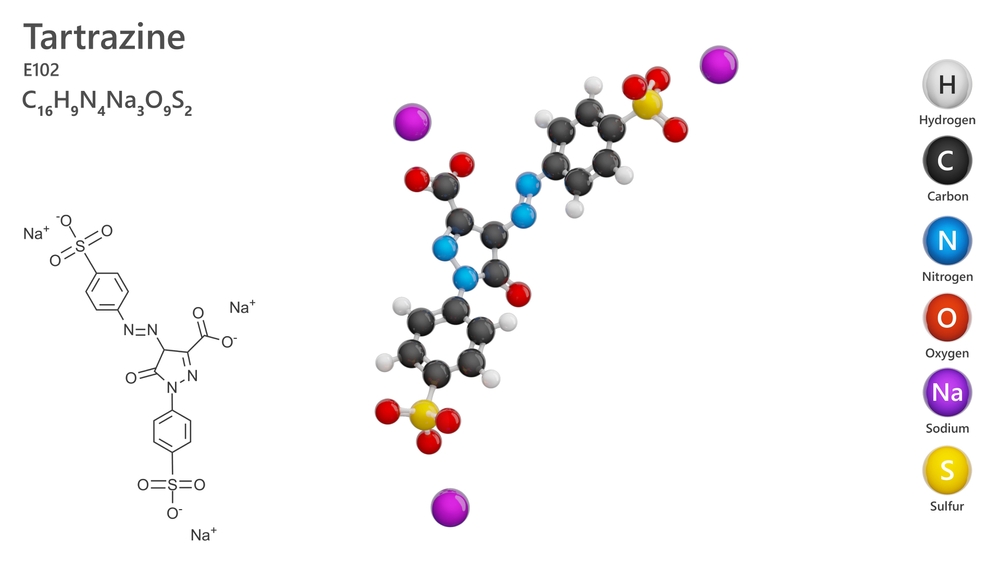
Yellow No. 5 is tartrazine, also identified as E102 or INS 102. Yellow No. 6 is Sunset Yellow FCF, identified as E110 or INS 110. Different labels may use different names for the same colouring.
Both belong to a group of manufactured colourings called azo dyes. Their chemical structures contain a link between two nitrogen atoms that contributes to their colour. The technical name describes their chemistry; it does not, by itself, establish a health risk.
Safety assessments consider the specific substance, its purity, how much people consume and evidence of possible harm. For example, JECFA’s evaluation of tartrazine concluded that estimated dietary exposure in the general population, including children, did not present a health concern.
Can Food Dyes Cause Allergic Reactions?
Yes, some people can have hypersensitivity or allergic-type reactions to colour additives, although these reactions are rare.
Tartrazine can cause itching or hives in susceptible individuals. Not every reaction follows the same immune mechanism as a conventional food allergy, so “sensitivity” may sometimes be the more accurate description.
“Natural” colourings are not exempt from this problem. Carmine and cochineal extract can cause allergic reactions too. Cochineal extract is a red colouring obtained from cochineal insects, while carmine is a pigment made by further processing that extract. Having a natural origin does not guarantee an ingredient will suit everyone.
If symptoms repeatedly follow a particular product, keep its packaging and discuss the pattern with a clinician. Do not assume the dye is responsible as products usually contain several ingredients that may be the culprit.
Breathing difficulty, throat swelling or faintness after eating or drinking requires emergency help. Use prescribed adrenaline according to your emergency plan. These are recognised warning signs of anaphylaxis.
Read More: Red No. 3 Ban – Are Your Favourite Foods Affected?
Do Artificial Food Colours Make Children Hyperactive?
There is evidence that certain artificial colours may affect activity and attention in some children. Tartrazine and Sunset Yellow are among six colours covered by UK warning-label requirements.
However, this does not establish that food dyes cause ADHD. Hyperactivity has multiple causes, and avoiding colourings does not reliably improve every child’s behaviour.
Parents concerned about food colours and hyperactivity are advised to discuss dietary changes with their child’s doctor. A food and behaviour diary may help identify patterns without immediately imposing a restrictive diet.
Should You Avoid All Food Dyes?
For most consumers, this does not justify avoiding coloured food or food dyes on a labels. A more useful response is to check labels, respect confirmed sensitivities and follow notices for affected products.
Choosing products without added colour is reasonable if you prefer them. It does not automatically make a food nutritious: sugar, sodium, portion size and the overall diet still deserve attention.
At the end of the day, consumers need accurate information to make safe decisions. Inaccurate and incomplete labelling deserves scrutiny, without turning every bright drink into a medical threat.
Frequently Asked Questions
Q: Are E Numbers A Warning That Food Is Unsafe?
A: No. E numbers identify additives, including colourings. Assess the particular ingredient and its permitted use rather than treating every number as a danger signal.
Q: Are Natural Food Colours Always Safer?
A: No. Natural origin does not guarantee safety for everyone; carmine, for example, can cause allergic reactions.
Q: Does This Recall Mean Gatorade In Asia Is Affected?
A: Not automatically. Check an official notice and the bottle’s identifying details, especially for US imports.

