

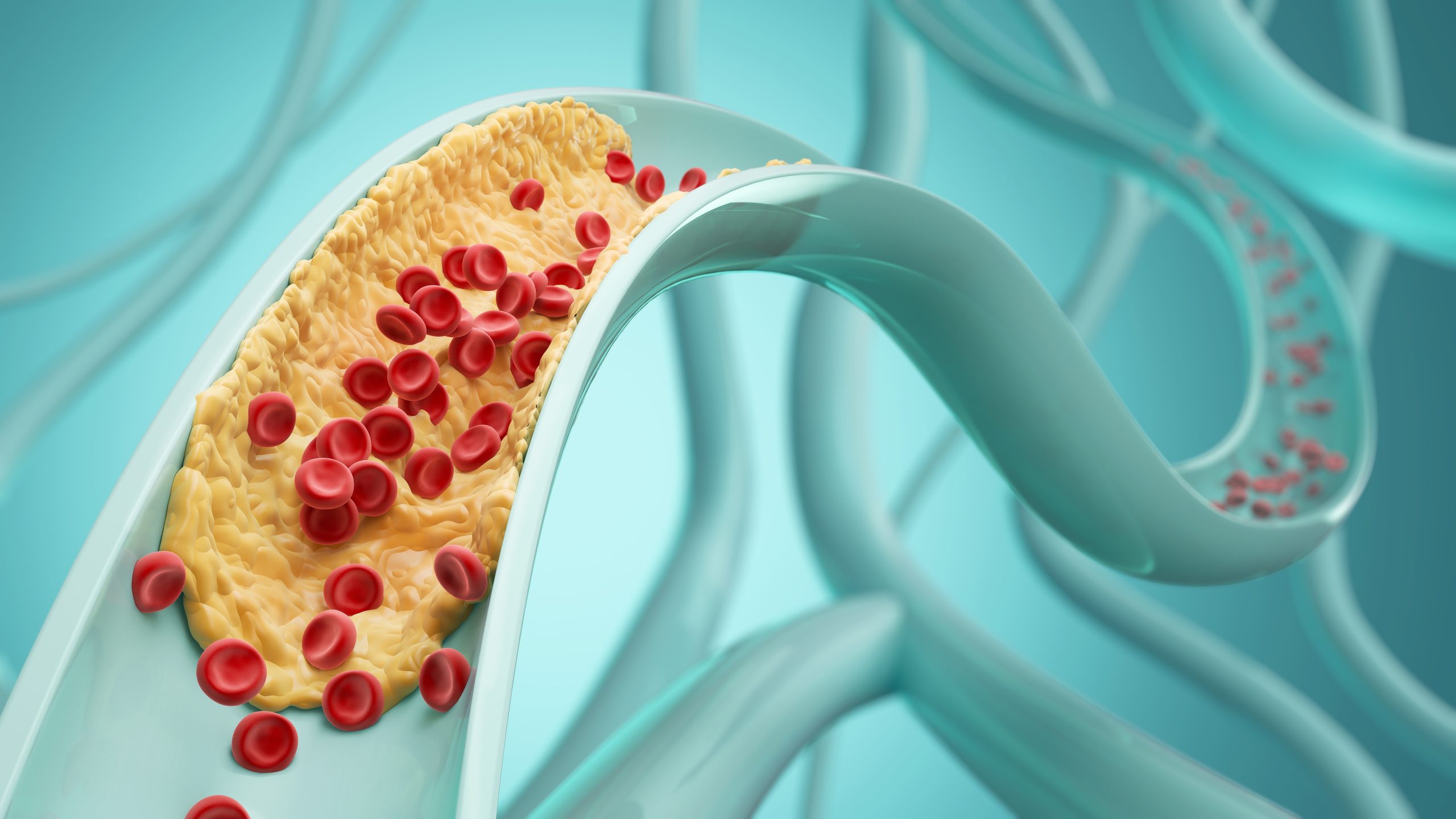
Lp(a)HORIZON trial results challenge a promising heart treatment: pelacarsen cut an inherited risk marker sharply, without reducing major cardiovascular events.
Lipoprotein(a) and heart attack risk have re-entered the global spotlight following the landmark Lp(a)HORIZON phase III clinical trial, which delivered a verdict that challenges how we think about preventive cardiovascular medicine.
For years, Lipoprotein(a) or abbreviated as Lp(a)has been labelled cardiology’s “hidden genetic assassin”. Unlike regular LDL cholesterol (“bad cholesterol”), which rises and falls based on diet and lifestyle, your Lp(a) levels are roughly 80% to 90% determined by your genetics from the day you are born. Epidemiological data shows that having elevated Lp(a) significantly raises your risk of premature heart attacks, ischemic strokes, and aortic stenosis.
When next-generation gene-silencing therapeutics like pelacarsen showed they could cut blood Lp(a) concentrations by almost 80%, clinicians anticipated a miracle in clinical outcomes. Yet, the first large-scale cardiovascular outcome trial just reported its results: while the drug substantially lowered Lp(a), it did not prevent heart attacks or strokes.
What does this mean for Asian patients, who often carry distinct genetic vascular profiles? Here is an evidence-based look into the trial, the biology, and the practical takeaways.
What Is Lp(a), And Why Does It Matter?
Lipoprotein(a) is a cholesterol-carrying particle in the blood. It resembles an LDL particle with an additional protein attached, called apolipoprotein(a).
High levels are linked to fatty plaque in arteries and narrowing of the aortic valve. Genetic evidence supports a causal role in cardiovascular disease, rather than Lp(a) merely appearing alongside other risk factors.
Your genes largely determine your level. Someone who exercises, eats well and has reassuring LDL cholesterol can still have high Lp(a). It is usually symptomless, and a standard cholesterol panel does not measure it.
That makes it a potentially missing piece when interpreting your health screening results.
What Did The Lp(a)HORIZON Trial Find?
Researchers tested pelacarsen, an experimental monthly injection that blocks production of a key Lp(a) component in the liver.
The trial published in The New England Journal of Medicine randomised 8,350 people; 8,322 entered the efficacy analysis. Participants had high Lp(a) and previous heart attack, ischaemic stroke or symptomatic peripheral artery disease. Both groups received standard cardiovascular care.
After one year, pelacarsen lowered Lp(a) by approximately 78% compared with placebo. Yet after a median 4.7 years, the main cardiovascular outcome occurred in 12.3% of the pelacarsen group and 12.1% of the placebo group.
That outcome combined cardiovascular death, nonfatal heart attack, nonfatal stroke and urgent procedures to restore blood flow through coronary arteries.
Even in cohorts with baseline levels above 90 mg/dL, lowering Lp(a) did not translate into fewer cardiac events.
How Does Pelacarsen Work?
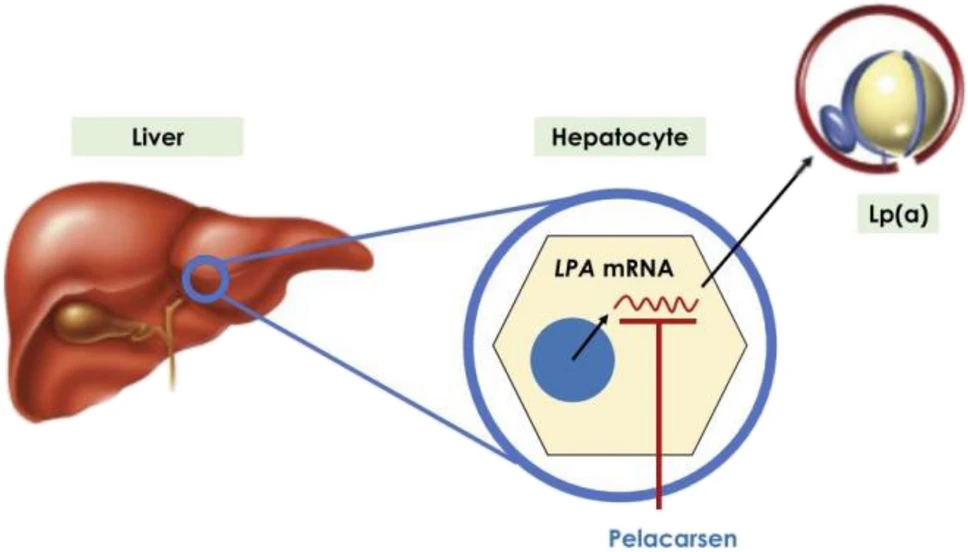
Pelacarsen belongs to a class called antisense oligonucleotides (ASOs) – short, synthetic strands of genetic material designed to recognise a particular RNA message.
Pelacarsen reduces the liver’s production of lipoprotein(a), or Lp(a), and it works by targeting the genetic message used to make apolipoprotein(a), a protein needed to assemble these cholesterol-carrying particles.
By prompting cells to break down that message, the medicine reduces the amount of Lp(a) entering the blood.
Were There Side Effects for Pelacarsen?
The AHA’s trial report also described more treatment discontinuations because of adverse reactions with pelacarsen: approximately 21%, versus over 7% with placebo.
Nineteen patients receiving pelacarsen experienced anaphylaxis, a severe allergic reaction, compared with none receiving placebo. No deaths resulted from these reactions.
Safety matters alongside effectiveness when deciding whether a treatment offers patients meaningful value.
Why Might Lowering Lp(a) Not Reduce Cardiovascular Events?
To a lay reader, this looks like a failed trial. On the contrary, to preventive cardiologists, it helps to inform and prove that a simple blood biomarker like Lp(a) is not the entire disease condition (CVD). Several scientific factors explain why erasing the number did not reverse the risk:
The Late Intervention for a Lifelong Risk
Lp(a) is an inherited risk factor that damages blood vessels over decades through three mechanisms: atherogenesis (fatty plaque buildup), thrombogenesis (blood clotting), and vascular inflammation.
In Lp(a)HORIZON, patients entered the trial in their 60s with long-standing, calcified vascular disease. Halting Lp(a) production for 4.5 years after half a century of arterial accumulation may simply be too little, too late to stabilise brittle plaques.
High-Dose Baseline Care Set a High Bar
Patients in this trial were not untreated. Their median LDL-C was aggressively controlled to approximately 64.6 mg/dL using high-intensity statins, ezetimibe, or PCSK9 inhibitors.
When baseline LDL-C and apolipoprotein B (ApoB) particles are already suppressed to optimal targets, extracting further event reduction over a 4-year trial window requires enormous statistical power.
Absolute vs. Relative Reductions
Cardiovascular risk reduction scales with the absolute mass of circulating atherogenic particles cleared from the bloodstream. While a 78% relative drop appears massive, ongoing trials using other small interfering RNA (siRNA) like olpasiran (OCEAN(a)) and lepodisiran (ACCLAIM-Lp(a)) cut circulating Lp(a) by 95% to 99%.
Whether absolute clearance of that magnitude will shift clinical outcomes remains an open question.
Does This Mean High Lp(a) Is Harmless?
substantial body of research links high Lp(a) to cardiovascular disease. Studies following people over time have found that those with higher levels face a greater risk of coronary heart disease and heart attacks, including when their LDL cholesterol is relatively low.
The evidence goes beyond an association. Genetic studies show that inherited variants which raise Lp(a) also increase the risk of coronary heart disease. Together, these findings support Lp(a) as a possible contributor to disease, rather than simply a marker that happens to be higher in people with heart problems.
Lp(a) can carry cholesterol into artery walls and transports oxidised phospholipids, which promote inflammation. It is also linked to calcific aortic valve stenosis, where calcium builds up on the valve and progressively restricts its opening.
The European Atherosclerosis Society’s consensus statement describes the relationship between Lp(a) and cardiovascular risk as continuous: risk generally rises as levels increase, rather than suddenly appearing above one cut-off. At the end of the day, its significance depends on overall risk, including age, blood pressure, smoking, diabetes and cholesterol levels. But it remains a finding worth taking seriously.
What Should You Do If Your Lp(a) Is High?
Check The Test And Its Units
The National Lipid Association recommends measuring Lp(a) at least once in adulthood. A family history of early heart disease or high Lp(a) makes the discussion particularly relevant.
Common high-risk thresholds are at least 125 nmol/L or 50 mg/dL, depending on how the laboratory reports results. These are clinical cut-offs, not an exact conversion: particle size varies, so there is no universally reliable conversion factor.
A high result adds to your overall risk assessment. It does not predict that a heart attack is inevitable.
Turn The Result Into A Prevention Plan
Ask your doctor how the finding affects your LDL cholesterol target and whether treatment needs adjusting. While statins do not specifically lower Lp(a), their established cardiovascular benefits remain relevant. If you are prescribed statins for your cholesterol, do not stop taking them without speaking to your doctor.
Blood pressure control, smoking cessation, physical activity and diabetes management also matter. Lifestyle changes usually have little effect on Lp(a) itself, but can improve other contributors to cardiovascular risk.
Because high Lp(a) runs in families, consider whether close relatives should be tested as well.
References
- Kronenberg, Florian, et al. “Lipoprotein(a) in Atherosclerotic Cardiovascular Disease and Aortic Stenosis: A European Atherosclerosis Society Consensus Statement.” European Heart Journal, vol. 43, no. 39, 2022, pp. 3925–46. https://doi.org/10.1093/eurheartj/ehac361. pubmed.ncbi.nlm.nih.gov
- “Lipoprotein(a) Reduction with Pelacarsen Has No Impact on Cardiac Events, Lp(a)HORIZON Finds.” Consult QD, Cleveland Clinic, 7 Nov. 2026, consultqd.clevelandclinic.org/lipoproteina-reduction-with-pelacarsen-has-no-impact-on-cardiac-events. consultqd.clevelandclinic.org

