


Low blood pressure is often harmless, and for some people it is simply normal. Here is what causes it, which symptoms matter, and when a low reading needs urgent help.
Most blood pressure advice focuses on numbers that are too high. Some people have the opposite problem. They feel dizzy when they stand up, or they faint in a hot, crowded room.


Low blood pressure, or hypotension, is usually less worrying than high blood pressure. Many people with low readings feel well and need no treatment. For others, it is a clue that something else is going on.
TLDR
- Low blood pressure generally means a reading below 90/60 mmHg.
- It usually only needs attention if it causes symptoms, such as dizziness, blurred vision or fainting.
- Common causes include standing up too quickly, dehydration, pregnancy, some medicines, and heart or hormone problems.
- Confusion, cold and clammy skin, fast breathing and a weak, rapid pulse can signal shock. This is an emergency.
What Counts as Low Blood Pressure?
Low blood pressure is generally a reading lower than 90/60 mmHg. The first number is the pressure in your arteries when your heart beats. The second is the pressure between beats. For comparison, normal blood pressure in Singapore is below 130/80 mmHg.
No single number is too low for everyone. Fit people and those with naturally low readings may feel no ill effects at all. Doctors generally only treat it when it causes symptoms.
If you check your readings at home, it helps to know how to use and read a blood pressure meter.
What Are the Symptoms of Low Blood Pressure?
When blood pressure falls, less blood reaches your brain and other organs. Symptoms can include:
- dizziness or light-headedness
- blurred or fading vision
- feeling sick
- weakness or tiredness
- confusion or trouble concentrating
- fainting
A sudden fall can cause symptoms even when the reading is not especially low. A drop of about 20 mmHg, such as from 110 to 90, can be enough to make you feel faint.
What Causes Low Blood Pressure?
Your blood pressure changes through the day. It depends on what you are doing and how you feel. Some people inherit naturally low blood pressure, while others have low readings because they are fit.
Other common causes include:
- Dehydration. Fever, vomiting, severe diarrhoea, hard exercise or too many water pills can all reduce the fluid in your blood vessels.
- Pregnancy. Blood vessels widen quickly in the first 24 weeks. Blood pressure usually returns to normal after birth.
- Medicines. These include blood pressure medicines, some Parkinson’s medicines, certain antidepressants and erectile dysfunction medicines.
- Heart problems. Examples are a heart attack, heart failure, valve disease and a very slow heart rate.
- Hormone problems. Examples are Addison’s disease, low blood sugar, diabetes and thyroid problems.
- Anaemia. Low levels of vitamin B12, folate or iron can lead to anaemia, which can lower blood pressure.
- Blood loss. This may come from an injury or from bleeding inside the body.
Do not stop a prescribed medicine on your own. If you think a medicine is making you dizzy, speak to your doctor or pharmacist. They may be able to adjust the dose or suggest another option.
Why Do You Feel Dizzy When You Stand Up?
Dizziness on standing is called postural, or orthostatic, hypotension. Gravity pulls blood down into your legs, and your body does not adjust quickly enough. Doctors diagnose it when the top number falls by more than 20 mmHg, or the bottom number by more than 10 mmHg, within three minutes of standing.
It becomes more common with age. A study of 364 patients at Geylang Polyclinic, aged 64 to 98, found that about one in ten had it. It was more common in people over 70 and in those with heart failure, stroke or kidney disease. It was also linked to loop diuretics – medication that helps to remove water and reduce swelling. Because it raises the risk of falls, it is worth raising with your doctor.
Blood pressure can also fall one to two hours after a meal, mainly in older adults. Some people faint at the sight of blood, or because of pain or strong emotion. Doctors call this a vasovagal attack.
When Is Low Blood Pressure Dangerous?
A sudden, severe and lasting drop in blood pressure is called shock. Without urgent treatment, it can cause permanent organ damage or death. Causes include severe infection, a severe allergic reaction called anaphylaxis, heavy bleeding and severe dehydration.
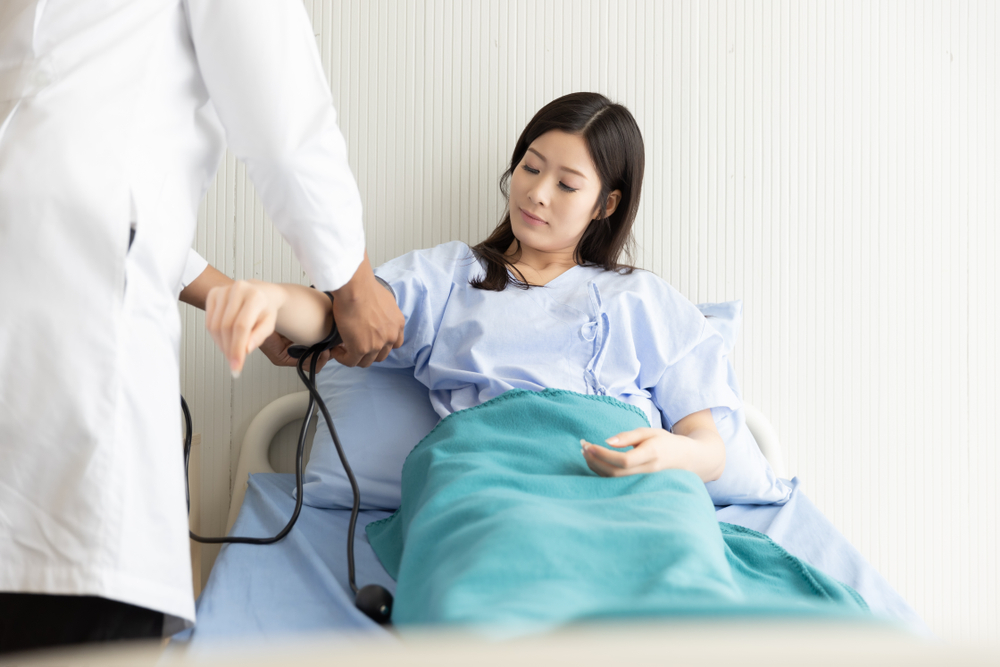
Call 995 or go to the nearest emergency department if someone has:
- confusion, especially in an older person
- cold, clammy or pale skin
- rapid, shallow breathing
- a weak, rapid pulse
See a doctor soon if you keep having dizzy spells or fainting, particularly if you do not take blood pressure medicine. An underlying problem may need checking.
How Can You Raise Low Blood Pressure?
Simple lifestyle measures or treating the cause usually work, and medicine is rarely needed. These steps can help:
- Stand up slowly. When you get out of bed, sit first, then stand.
- Drink more water. If your doctor limits your fluids, check with them first.
- Eat small, frequent meals, and rest for a while after eating.
- Avoid standing for long periods, and do not bend down or change position suddenly.
- Limit alcohol.
If you feel dizzy, sit or squat down straight away. This often helps the feeling pass.
Your doctor may also suggest support stockings or a change to your medicines. Some people benefit from more salt, but only on medical advice, because extra salt can strain the heart. For persistent dizziness on standing, doctors may prescribe medicines such as midodrine or fludrocortisone.
Frequently Asked Questions
Is low blood pressure better than high blood pressure?
Low readings without symptoms are usually not a concern, and fit people often have lower readings. Low blood pressure becomes a problem when it causes symptoms or points to another condition.
Can dehydration cause low blood pressure?
Yes. Fever, vomiting, diarrhoea and hard exercise can all lower your blood pressure. Drinking more fluids often helps.
Is low blood pressure common in pregnancy?
Yes, especially in the first 24 weeks. It usually returns to normal after birth. Tell your doctor or midwife if you often feel faint.
Should I eat more salt if my blood pressure is low?
Only if your doctor advises it. Too much salt can raise the risk of heart problems, especially in older adults.
What should I do if I feel faint?
Sit or lie down straight away. Lying down with your legs raised can help blood flow back to your brain.
References
- NHS. Low blood pressure (hypotension). https://www.nhs.uk/conditions/low-blood-pressure-hypotension/
- NHS. Low blood pressure (hypotension): causes. https://www.nhs.uk/conditions/low-blood-pressure-hypotension/causes/
- NHS. Low blood pressure (hypotension): treatment. https://www.nhs.uk/conditions/low-blood-pressure-hypotension/treatment/
- Mayo Clinic. Low blood pressure (hypotension): symptoms and causes. https://www.mayoclinic.org/diseases-conditions/low-blood-pressure/symptoms-causes/syc-20355465
- HealthXchange, SingHealth. Low blood pressure (hypotension): what is it? https://www.healthxchange.sg/how-to-manage/high-blood-pressure-hypertension-management/low-blood-pressure-what-is
- British Heart Foundation. What causes low blood pressure and what are the symptoms? https://www.bhf.org.uk/informationsupport/heart-matters-magazine/medical/low-blood-pressure
- MSD Manual Professional Version. Orthostatic hypotension. https://www.msdmanuals.com/professional/cardiovascular-disorders/symptoms-of-cardiovascular-disorders/orthostatic-hypotension
- SingHealth Polyclinics. Low blood pressure study reveals some areas for caution. October 2016. https://polyclinic.singhealth.com.sg/news/low-blood-pressure-study-reveals-some-areas-for-caution

