


Enlicitide, a newly FDA-approved cholesterol pill, helps the liver remove LDL from the blood. But is it better than a statin, what side effects can occur, and who might benefit?
Cholesterol treatment rarely makes headlines for becoming a tablet. After all, statins have been around for decades. But for a group of medicines called PCSK9 inhibitors, moving from an injection to a pill is a significant change.


That is what makes enlicitide, approved by the US Food and Drug Administration (FDA), worth a closer look. It helps the liver remove LDL, often called “bad” cholesterol, from the blood. Clinical trials found substantial reductions, including in people already taking cholesterol medication.
The results are encouraging, but they raise some practical questions. Where does this medicine fit alongside statins? What side effects might come with it? And how much do we know about its longer-term benefits?
What Does Enlicitide Actually Do?
A protein called PCSK9 causes some of those receptors to be broken down. Enlicitide blocks its action, leaving more receptors available to collect cholesterol. The result is less LDL circulating in the blood. Merck.com
The liver does more than make cholesterol. It also helps remove it from the bloodstream, using proteins on its surface called LDL receptors.
LDL is often called “bad” cholesterol because too much can contribute to fatty deposits inside arteries. Over time, these deposits increase the risk of heart attacks and strokes. High cholesterol usually causes no symptoms, which is why blood tests matter.
The LDL receptors as reusable collection points. These receptors are almost like ‘reusable collection points’ – they catch LDL particles and bring them inside the liver cell for processing. The receptors can then return to the surface and collect more.
A protein called PCSK9 changes what happens next. When it attaches to an LDL receptor, the receptor is sent for breakdown instead of being recycled. With fewer collection points available, the liver becomes less efficient at clearing LDL from the blood.
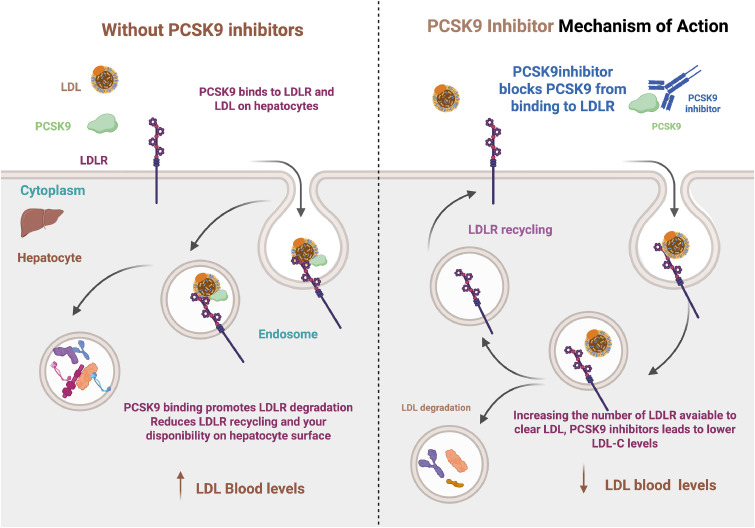
Enlicitide binds to PCSK9 and prevents it from attaching to those receptors. More receptors can therefore return to work, helping the liver remove more LDL from circulation. This is how the medicine brings down LDL cholesterol.
The approach is different from that of statins, which primarily reduce cholesterol production in the liver. Enlicitide helps protect the machinery that clears cholesterol away – one reason the two treatments can work alongside each other.
Who Is Enlicitide Approved For?
In July 2026, the FDA approved enlicitide as a once-daily 20 mg tablet to help adults lower their LDL, or “bad” cholesterol, alongside healthy eating and exercise. The approval also covers people with heterozygous familial hypercholesterolaemia (HeFH), an inherited condition that causes high cholesterol.
That does not mean everyone with a slightly raised cholesterol result needs it. Several medicines are available to treat high cholesterol, and a healthcare professional can help decide which is most suitable based on your cholesterol levels, overall heart health risk and medical history.
How Much Did It Lower Cholesterol In Trials?
The main CORALreef Lipids trial involved around 2900 adults with cardiovascular disease or an increased risk of developing it. Participants received enlicitide or placebo alongside their background cholesterol treatment.
At 24 weeks, LDL fell by about 57% in the enlicitide group, while it rose by around 3% in the placebo group. The trial’s adjusted comparison put the treatment effect at approximately 56%. These reductions were sustained through one year.
A separate trial, CORALreef HeFH, studied 303 adults with inherited high cholesterol. It found an approximately 59% reduction compared with placebo at 24 weeks. These were manufacturer-funded studies.
The important distinction: a 56% reduction in LDL does not mean a 56% reduction in heart attack risk. A separate study is examining whether enlicitide reduces heart attacks, strokes and other cardiovascular outcomes. Those answers are still pending. Merck.com
How Is Enlicitide Different From A Statin?
Statins reduce the amount of cholesterol the liver makes and help it remove LDL from the blood. Enlicitide works through the PCSK9 pathway, helping preserve the liver’s cholesterol-clearing receptors.
As they work via different mechanisms, this means the medicines can complement each other – Enlicitide may be added to existing statin treatment rather than replace it.
Statins remain a mainstay of cholesterol management, with established evidence that they reduce cardiovascular events. Depending on the medicine and dose, moderate-intensity statins typically lower LDL by 30–49%, while high-intensity treatment lowers it by at least 50%
If your current statin treatment is working, a new approval alone is no reason to stop it, because taking cholesterol medication consistently matters. In any case, in the CORALRreef trials, most participants were already taking statins (and sometimes with other cholesterol medication), so the LDL reduction largely reflected the additional benefit of adding enlicitide to their existing treatment.
Is Enlicitide Safe? What Side Effects Can Occur?
In the larger trial, overall side-effect rates were similar with enlicitide and placebo. In the smaller inherited-cholesterol trial, diarrhoea occurred in approximately 7% of enlicitide recipients versus 2% taking placebo; dizziness occurred in 9% versus 4%. Longer follow-up and wider use, especially in the real world setting, can help identify uncommon problems.
Statins have a much longer safety record, having been used for nearly four decades, giving doctors a much longer track record of their side effect profile.
Muscle symptoms can occur, although serious muscle injury is rare. They can also slightly increase diabetes risk, particularly in people already at risk. Nevertheless, most people tolerate them well.
Persistent diarrhoea, troublesome dizziness or other new symptoms deserve a conversation with your prescriber. Pregnancy, pregnancy planning and breastfeeding also need specific medical advice because enlicitide’s safety data in these situations are limited.
Will Enlicitide Be Available Where I Live?
While the FDA approval applies to the US, other countries have their own regulatory processes, and availability can take time.
Meanwhile, continue prescribed treatment and habits that support healthier cholesterol levels. The useful question at your next appointment is: “Is my LDL where it needs to be, and what should we do if it is not?”

