

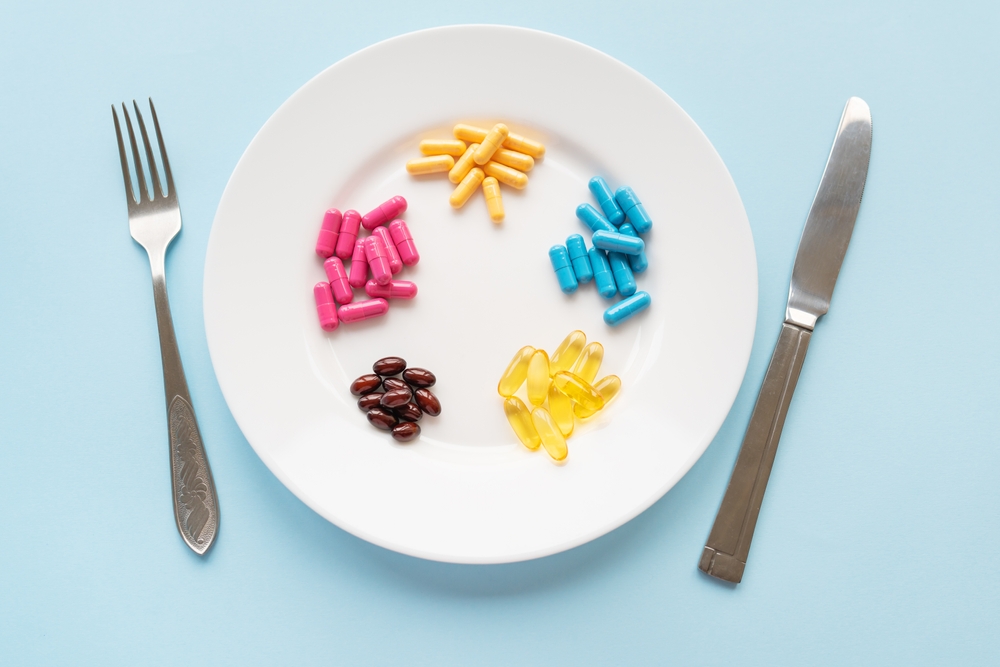
GLP-1 users are comparing protein shakes, fibre powders and vitamin supplements online. But when appetite shrinks, how do you work out what your body actually needs?
The injection is only the beginning. Soon, the routine might include a protein shake, fibre gummies, magnesium capsules and something promising healthier hair.


What Supplements do you take to support you on Zepbound?
by
u/SpiNardo in
Zepbound
In online GLP-1 communities, questions about supplements sit alongside discussions about doses and weight loss. People compare products for constipation, worry about eating enough and ask what everyone else is taking. One Reddit discussion begins with fibre powder, collagen and a multivitamin, then grows into a much longer shopping list.
The concern behind these purchases is understandable: if your meals have become much smaller, are you still getting what your body needs?
Feeling Too Full To Get Enough Protein?
When a few mouthfuls leave you satisfied, getting through the chicken, fish or tofu on your plate can become a challenge. Yet your body still needs protein to help maintain muscle as you lose weight.
This is a concern for some people on treatment. In a small US study of 69 adults taking GLP-1-based medicines, fewer than half reached the protein intake level researchers used to assess their needs during weight loss.
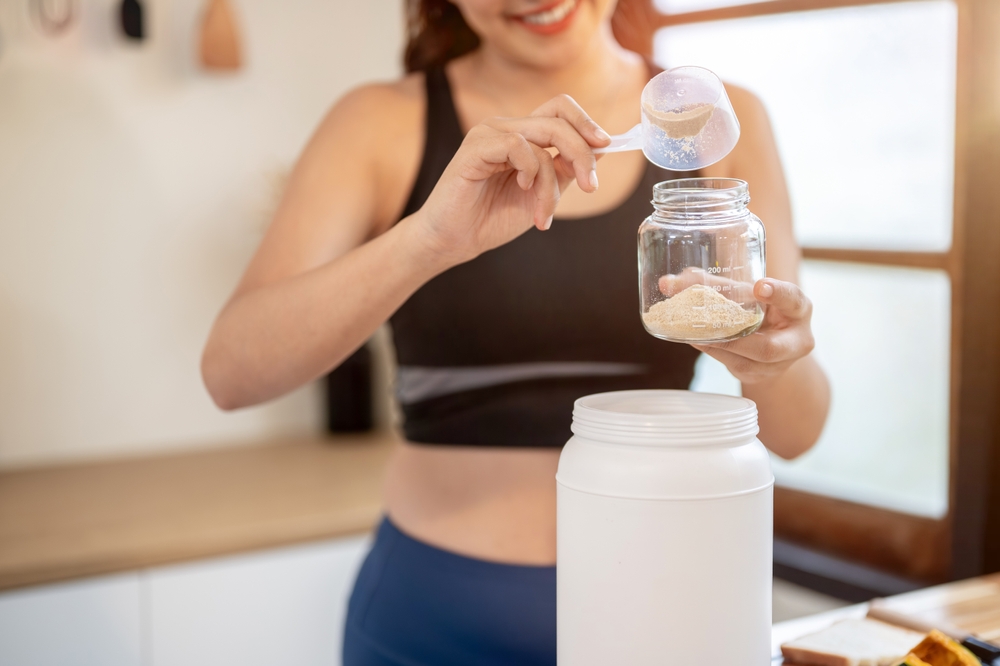
A protein shake or bar can help if you struggle to get enough from food. It is convenient, and sipping a drink or eating a chocolate bar may feel easier than sitting down to another meal. But you have options beyond overpriced protein supplements!
Try eating the protein part of your meal first, before you feel full. Add an egg or some tofu to porridge, have yoghurt as a snack, or spread your food across smaller meals. These changes can make getting enough protein feel less like a daily eating challenge.
Keeping your muscles strong also means using them. Suitable strength exercises help alongside adequate food. However, if you have kidney disease, ask your doctor or dietitian how much protein is right for you before increasing your intake.
Constipated Since Starting Your Medicine?
Constipation is a common complaint among GLP-1 users. These medicines affect digestion, while smaller meals may mean less fibre. Some people also find they are drinking less. Together, these changes can make going to the toilet uncomfortable.
Before adding a product, look at what your days have been like. Are you drinking regularly? Have you stopped eating fruit or vegetables because you feel full? Are you moving around much?

Oats, fruit, vegetables and beans can help you get more fibre. Add them gradually, drink enough fluids and keep active. Give yourself time to use the toilet, and avoid putting it off when you feel the urge.
A fibre supplement may help if food alone is not providing enough. If constipation continues, ask a pharmacist or doctor about a suitable laxative. Some magnesium products also help people pass stools, but they can cause diarrhoea and cramps. People with kidney problems need particular caution. If you are still uncomfortable, get advice from your healthcare professional before adding more remedies to the mix.
Eating Less… Should You Take A Multivitamin?
It is reasonable to wonder whether smaller meals are giving you everything you need. This becomes more of a concern if nausea has left you living on the same few foods.
The US study mentioned earlier found that participants’ diets often fell short on several vitamins and minerals, including calcium, magnesium and vitamins C and D. This did not mean everyone had a diagnosed deficiency, but it showed that nutritional gaps were worth paying attention to.
A multivitamin may help if your diet has become consistently limited. If you have a particular deficiency, you may need a specific supplement instead. Expert guidance recommends choosing supplements according to the person’s needs during GLP-1 treatment.
A useful first step is to write down what you eat and drink over a few days. Take that record to your doctor or dietitian, along with any symptoms you have noticed. They can help you decide whether to adjust your meals, take a supplement or have blood tests.
Check what you already take, too. A multivitamin, fortified shake and hair gummy might all contain the same nutrients. It is not advised to take several supplements with overlapping vitamins and minerals, as too much can be harmful.
Seeing More Hair In The Shower?
Hair shedding can be worrying, especially when you have just started a new medicine. It is a concern that sends some GLP-1 users searching for answers from the internet.
Is hair loss inevitable?
by
u/hellothere1989_ in
GLP1microdosing
Hair loss has been reported during treatment. In two major weight-management trials, about 7% of women taking tirzepatide reported hair loss, compared with about 1% taking a placebo, possibly linked with weight reduction.
Significant weight loss can trigger temporary shedding, sometimes a few months later. Low nutrient levels, thyroid problems and other causes may also play a part. That means buying a hair supplement straight away may miss what is actually happening.
If a deficiency is involved, correcting it may help. However, evidence that biotin improves hair growth is limited, despite how often it appears in hair supplements. It can also affect certain blood-test results, so let your healthcare team know if you take it.
If the shedding continues or your hair is noticeably thinning, have it checked.
When Should You Speak To Your Doctor?
You do not have to wait until you feel seriously unwell. If eating enough has become a daily struggle, constipation keeps returning or symptoms are affecting your routine, arrange a review instead of buying supplements to mask the effects. Your healthcare team can help you work through the cause and decide what needs changing.
Get prompt medical help if you keep vomiting, cannot keep fluids down or develop signs of dehydration, such as dark urine and lightheadedness. Constipation with severe or persistent abdominal pain, vomiting or an inability to pass gas also needs urgent assessment.
Bring along the labels of anything you are taking. The aim is to leave with a clearer idea of what will help you eat well and feel better—and whether another supplement needs to be part of that.

