


For many patients with atopic dermatitis (AD) or prurigo nodularis (PN), the most disruptive part of disease is not always what is visible in clinic. Persistent itch can disturb sleep, affect concentration, worsen psychosocial burden, and shape how patients perceive treatment success.
This was the central clinical theme at the recent Singapore launch of NEMLUVIO® (nemolizumab), hosted by Galderma Singapore, where local and international dermatology Key Opinion Leaders (KOLs) discussed how targeting itch through the IL-31 neuroimmune axis may add a differentiated pathway within the evolving AD and PN treatment landscape.


What Is Changing in AD and PN Care?
For years, the management of AD followed a relatively linear progression – from topical therapies to systemic immunosuppressants for more severe disease. Today, that pathway is far less straightforward.
PN was also highlighted, given the central role of persistent itch in its clinical burden. Although distinct from AD, both conditions can be profoundly affected by itch.
Clinicians now operate within a landscape that includes targeted biologics, oral Janus kinase (JAK) inhibitors, and emerging therapies with distinct mechanisms of action. While the treatment expansion has improved outcomes for many patients, it has also introduced new layers of decision-making. The challenge is no longer the absence of options, but the need to differentiate between them.
Treatment decisions increasingly require a patient-centred balance of efficacy, safety, tolerability, accessibility, long-term disease control rather than relying on a single dominant approach.
Why Do Some Patients Still Struggle Despite Treatment?
Despite therapeutic advances, a significant proportion of patients remain inadequately
controlled.
Chairperson Dr Yew Yik Weng, Senior Consultant Dermatologist at National Skin Centre
noted that in Singapore, approximately 20% of children1 and 10% of adults2 are affected by AD, with about a quarter of patients experiencing moderate-to-severe disease that is not adequately managed by topical treatment alone3.
Beyond prevalence, disease burden is not always reflected in visible skin findings. Patients may present with relatively controlled lesions, yet continue to experience persistent itch, disrupted sleep, and impaired daily functioning. This disconnect between physician-assessed severity and patient-reported symptoms4 remains a recurring challenge in clinical practice.
Even among patients treated with biologics, partial response is not uncommon, particularly in those whose dominant burden is itch rather than inflammation alone.
The Lived Experience
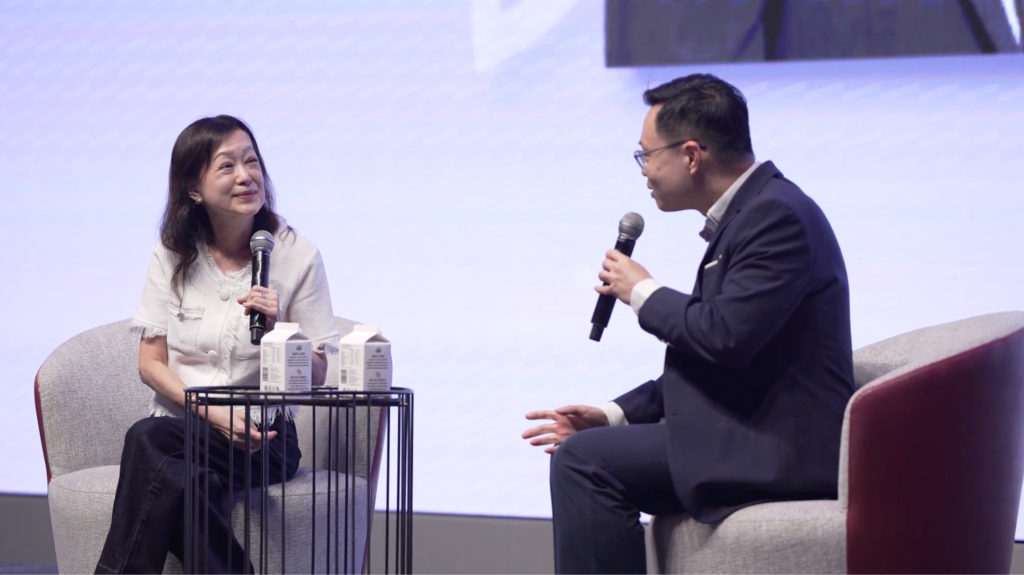
In a candid dialogue with Dermatologist Dr Koh Hong Yi (Dermatologist, TSN Dermatology Skin Specialist Clinic), his patient Carol (The patient has provided written consent for the sharing of her name, image, and clinical experience) described years of disrupted sleep, persistent discomfort, and the quiet exhaustion that comes from a condition that never fully switches off.
She spoke about waking in the middle of the night to scratch – not once, but repeatedly – and the cumulative toll it took on her daily life. The itch was irritating, intrusive, relentless, and, at times, painful.
For clinicians in the room, the story was familiar. But hearing it articulated so plainly brought a new perspective of the discussion. This was not just about managing AD as a visible skin disease; it was about understanding what patients actually experience when the clinic visits end, and when symptoms become too difficult to ignore.
And when Carol described experiencing a night without itch after starting treatment with the biologic NEMLUVIO® (nemolizumab), it was more than just clinical improvement on a grading scale – it was truly relief for her. Relief that allowed her to sleep, to function, and to feel normal again.
Is Itch More Than Just a Symptom?
A central theme throughout the launch was the reframing of itch.
Traditionally considered a symptom of AD and PN, itch is increasingly understood as a key driver of disease burden due to its direct impact on sleep, mood, and quality of life. It may also perpetuate disease activity through the itch–scratch cycle, contributing to ongoing inflammation and barrier disruption.
In his presentation, Dr Peter Lio, Clinical Assistant Professor of Dermatology & Pediatrics, Northwestern University, Chicago, USA, emphasised that itch sits at the intersection of multiple disease pathways, including immune signalling and neural activation5. This has implications for treatment selection, particularly in patients where itch remains the primary complaint.
Dr Lio shared insights informed by both clinical-study evidence and his early real-world experience with Nemluvio. He was the first physician to prescribe NEMLUVIO® commercially in the United States, and has since treated more than 100 patients, with his longest-treated patient approaching two years on therapy. His case examples reflected the types of patients in whom itch may remain a dominant treatment consideration, including those with high itch burden, concerns around ocular adverse events, or persistent symptoms despite prior advanced therapies.
From a clinical perspective, this raises an important consideration: treating visible inflammation alone may not fully address what matters most to patients.
What’s New in AD and PN Care?
The introduction of NEMLUVIO®, which targets interluekin-31 receptor alpha (IL-31 RA), reflects a more targeted approach to addressing itch through the neuroimmune axis.
IL-31 was discussed as a neuroimmune cytokine that links immune signalling with neural itch pathways. By targeting the IL-31 receptor alpha6, nemolizumab offers a differentiated mechanism from therapies focused primarily on broader type 2 inflammation.
IL-4 and IL-13 biologics have significantly advanced care, but may not address every patient’s dominant burden, particularly when itch remains persistent. JAK inhibitors, meanwhile, may offer rapid and broad activity, but require careful patient selection and laboratory monitoring due to systemic safety considerations7,8.
Against this backdrop, IL-31RA targeting may be considered a preferred approach for appropriately selected patients:
- Itch-dominant disease
- Persistent itch despite biologic therapy
- Concerns around systemic immunosuppression or monitoring requirements
- PN or severe chronic itch syndromes
Clinical trial data from the ARCADIA 1 and 2 studies showed improvements across itch, skin lesions, and sleep outcomes, with itch relief observed as early as Day 2 in pooled analyses9. Longer-term extension data also demonstrated sustained efficacy over two years10.
In PN, Dr Lio also highlighted emerging longer-term data showing sustained improvements in itch, nodules, and quality-of-life outcomes in evaluable patients up to Week 148, with a safety profile that remained consistent over three years. For clinicians, this reinforces the importance of following new evidence across both AD and PN, particularly as treatment goals increasingly extend beyond visible lesion improvement to itch relief, sleep, and daily functioning.
However, as speakers emphasised, positioning such therapies requires careful patient selection rather than broad application.
What Are the Real-World Considerations Clinicians Should Expect?
Early, local experience from Singapore practice, shared by Dr Lynn Chiam, Dermatologist, Children & Adult Skin Hair Laser Clinic, Singapore, offered practical insights into how these therapies translate into clinical settings.
Through the Patient Familiarisation Programme, 28 patients had already started treatment before launch, alongside local experience from the ARCADIA 2 trial. The programme was designed to provide early hands-on experience for dermatologists, identify real-world patient profiles who may respond well, and support potential real-world evidence generation in Asian patients.
Patients with high itch burden, sleep disruption, and limited response to conventional treatments appeared to derive the most benefit. Following initiation of NEMLUVIO®, rapid itch relief was observed within days in some patients, including one patient who reported itch reduction within two days. This aligns with the broader clinical discussion around the potential for early itch improvement, including itch relief as early as Day 2 in pooled analyses from ARCADIA 1 and 2.
Improvements in sleep and self-esteem were recurring themes, particularly among patients whose disease burden was driven by persistent itch.
Dr Chiam also highlighted the importance of expectation setting. Some patients may experience mild early flares or recurrence of itch between dosing intervals, particularly within the first two months. These episodes were generally manageable with supportive care, including topical corticosteroids where appropriate, reinforcing the need to counsel patients not to discontinue adjunctive topical therapy prematurely.
Additional perspectives from Professor Kenji Kabashima, Professor, Department of Dermatology at Kyoto University Graduate School of Medicine Kyoto, Japan reinforced the importance of expectation setting. Early cutaneous reactions may occur, particularly within the first few months, but are generally manageable with appropriate counselling and supportive treatment.
In practice, outcomes depend not just on the therapy itself, but on how well patients are guided through the treatment journey.
Beyond Efficacy: What Really Shapes Treatment Decisions?
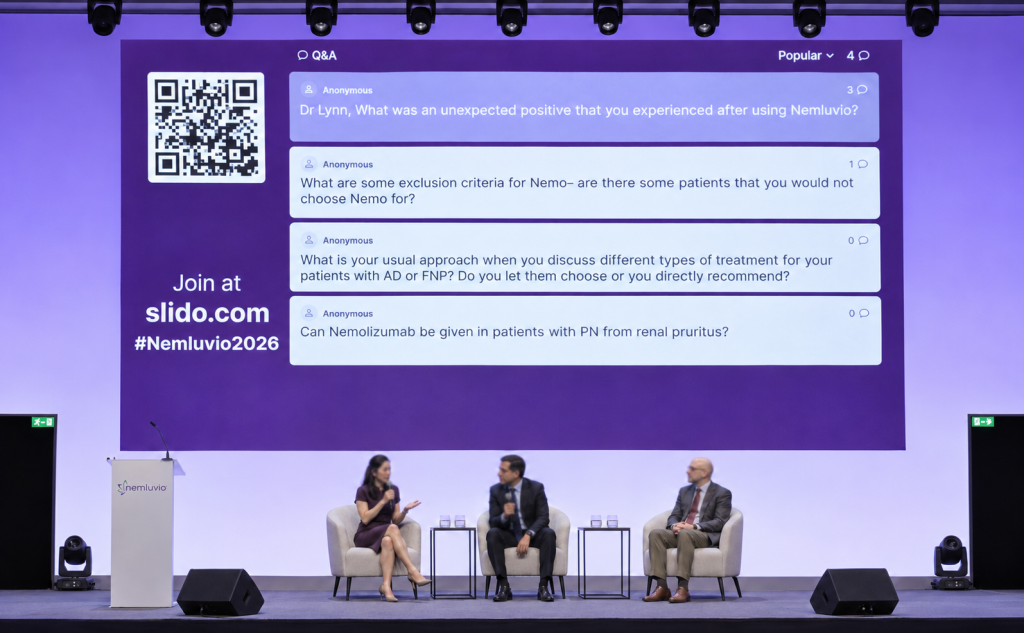
During the panel discussion, clinicians highlighted that treatment decisions are rarely based on efficacy alone.
Factors such as cost, patient preferences, route of administration, and concerns about adverse effects often play a significant role. In the local context, steroid phobia continues to influence adherence and treatment acceptance. While these considerations may not appear in clinical trial endpoints, they shape everyday practice.
Dr Chiam described a stepwise counselling approach, where treatment options are introduced progressively over multiple consultations. Dr Lio summarised his approach using the ESTAR framework: considering efficacy, safety, tolerability, accessibility, and remission potential, while acknowledging that no single therapy performs optimally across all domains.
Ultimately, treatment decisions are not made for patients, but increasingly with them. Building rapport, understanding individual concerns, and aligning on expectations are central to achieving meaningful outcomes. In a condition as chronic and visible as AD, trust often determines adherence just as much as efficacy does. As clinicians navigate a growing array of options, the ability to guide patients through uncertainty – while respecting their preferences and lived experience – becomes just as important as the therapies themselves.
What’s Next?
The launch of NEMLUVIO® in Singapore marks more than the availability of a new therapeutic option. It reflects a broader evolution in how AD and PN are understood and managed.
Treatment is becoming increasingly individualised, shaped not only by disease severity, but also by symptom profile, patient priorities, and real-world constraints. At the centre of this shift is a growing recognition that itch is not simply a secondary symptom, but a critical driver of disease burden – one that may require more direct and deliberate intervention.
As biologics become a more visible part of dermatology practice in Singapore, access and affordability will remain central to treatment decisions. Recent public discussion around the cost of biologics reflects a real concern for patients and clinicians alike. Yet the burden of uncontrolled itch also carries less visible costs: disrupted sleep, reduced productivity, treatment fatigue, psychosocial distress, and repeated healthcare use.
For HCPs, the question is therefore not only whether a therapy improves clinical endpoints, but where it may offer meaningful value for the right patient. In AD and PN, this may include rapid itch relief, sustained disease control, dosing considerations, safety and tolerability, and the ability to reduce the daily burden that patients may not always articulate in clinic.
This evolving landscape offers new opportunities, but also greater complexity. Navigating it effectively will require familiarity with emerging therapies, careful patient selection, and a continued focus on what patients experience beyond the consultation room.
Explore Medical Channel Asia Dermatology Portal for Healthcare Professionals.
References:
- YK Tay, KH Kong, L Khoo, CL Goh, YC Giam. British Journal of Dermatology 2002; 146:
101-106. - Cheok S, Yee F, Ma JYS, Leow R, Ho MSL, Yew YW, Tay YK, Rebello SA, Luo N, Koh MJA. Br J Dermatol. 2018 Jan;178(1):276-277
- Kok WL, Yew YW, Thng TGS. Int J Dermatol. 2018 Aug;57(8):e52-e54
- Chovatiya R, et al. Ann Allergy Asthma Immunol 2021; 127: 83–90.e2.
- Dainichi T, Kitoh A, Otsuka A, Nakajima S, Nomura T, Kaplan DH, Kabashima K. Nat Immunol. 2018 Dec;19(12):1286-1298.
- Armario-Hita JC et al. J Invest Allergol Clin Immunol 2023;33:158-67;
- Rinvoq (upadacitinib) SmPC. Ludwigshafen, Germany: AbbVie, 2025
- Cibinqo (abrocitinib) SmPC. Brussels, Belgium: Pfizer, 2025
- Ständer S, Rapid improvement of itch with nemolizumab in atopic dermatitis and prurigo nodularis phase 3 studies. J Eur Acad Dermatol Venereol. 2025 Dec 16.
- Augustin M et al Safety and efficacy of nemolizumab for atopic dermatitis up to 2 years in open-label extension study. J Eur Acad Dermatol Venereol. 2025 Oct 13.
SG-NLV-260011 | Oct 2026

