

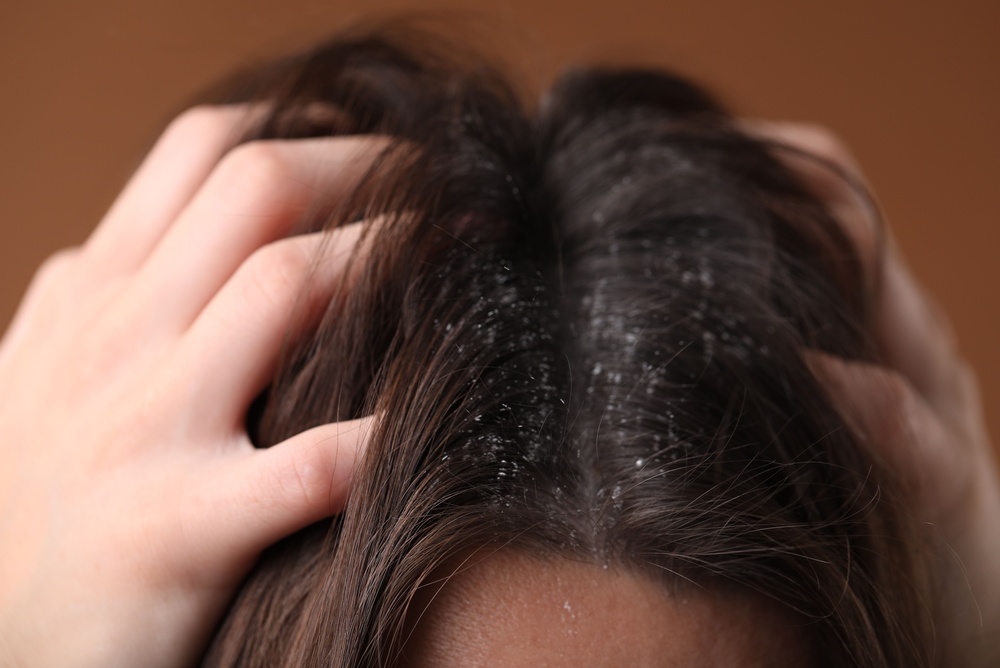
Those white flakes on your shoulders are not a sign of poor hygiene. Here is what causes dandruff, which shampoo ingredients work, and when it is time to see a doctor.
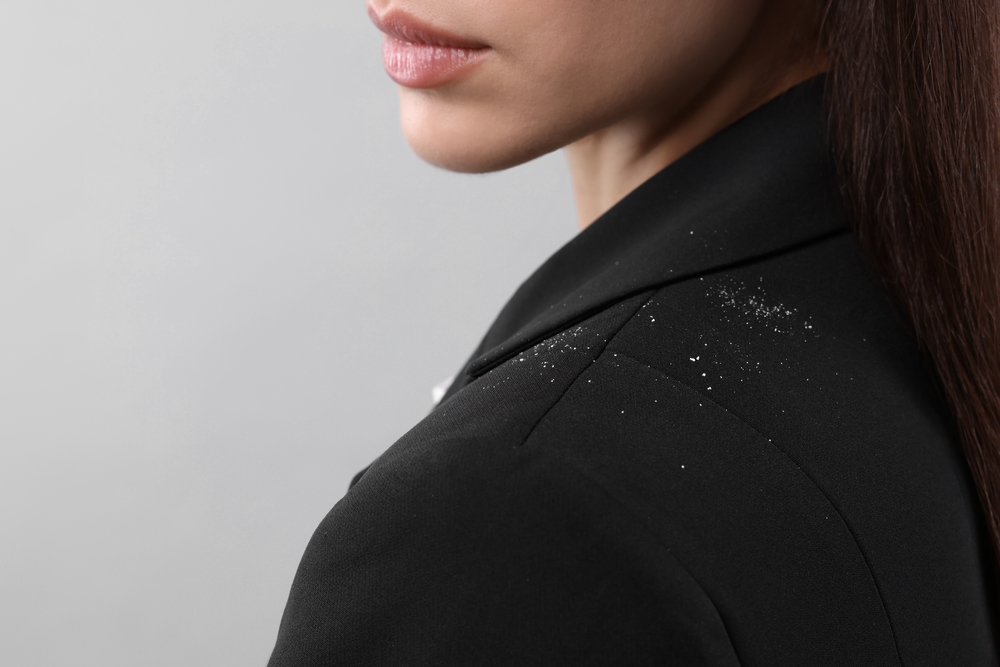
Dark shirts can feel like a gamble when you have dandruff. The flakes land on your shoulders, and the itch can be hard to ignore.


Dandruff is common, harmless and not contagious. It is also not caused by poor hygiene, although flakes can be more noticeable between washes. For most people, the right shampoo, used the right way, keeps it under control.
TLDR
- Dandruff is a mild form of seborrhoeic dermatitis that affects only the scalp.
- It is linked to a yeast that normally lives on the skin, not to being unclean.
- Medicated shampoos with ketoconazole, zinc pyrithione, selenium sulphide, salicylic acid or coal tar can control it.
- Leave the shampoo on for about five minutes, and give it a few weeks before you switch.
- See a doctor if your scalp is very itchy, red or swollen, or if flaky patches appear on your face or body.
What Causes Dandruff?
Dandruff is linked to a yeast called Malassezia, which lives on everyone’s skin. In some people, this yeast and the natural oils on the scalp are thought to trigger inflammation, which leads to flaking and itch.
Dandruff is a milder form of seborrhoeic dermatitis, a skin condition that can also affect the face, upper chest and upper back. A consensus review of seborrhoeic dermatitis in Asia cited a study that found the condition in 7% of adults in Singapore.
Flare-ups tend to come and go. Stress, illness, hormonal changes and cold weather can all make them worse.
Is It Dandruff or Something Else?
Not every flaky scalp is dandruff. Large, silvery scales may point to scalp psoriasis, while greasy, yellow flakes on a red scalp suggest seborrhoeic dermatitis. Eczema and fungal infections of the scalp can look similar too.
If you are not sure what you are dealing with, a doctor or pharmacist can help you tell them apart. MCA’s guide to the different types of dandruff explains the main patterns.
How Do You Get Rid of Dandruff?
The most reliable way to control dandruff is a medicated anti-dandruff shampoo, used correctly and consistently. Look for one of these active ingredients:
- Ketoconazole, an antifungal
- Zinc pyrithione
- Selenium sulphide
- Salicylic acid, which helps loosen scales
- Coal tar
How you use it matters as much as which one you choose. Massage the shampoo into your scalp, leave it on for five minutes, then rinse it off well. If one shampoo does not help after four to six weeks, switch to one with a different active ingredient.
Your hair type affects how often to use it. People with fine or oily hair may need a medicated shampoo about twice a week. People with coarse, curly or coily hair may do better with once a week, applied only to the scalp, since these ingredients can dry out the hair.
Are Medicated Shampoos Safe?
For most adults, yes, as long as you follow the instructions on the bottle. A few cautions apply:
- Ketoconazole shampoo is not recommended for children under 12.
- Selenium sulphide can discolour blond, grey or dyed hair.
- Coal tar smells strongly, can stain and may make your scalp more sensitive to sunlight.
For children under two, self-treatment is not advised, except for cradle cap. Keep medicated shampoo away from broken skin, and rinse your eyes with water if any gets in them.
Do Natural Remedies Like Tea Tree Oil Work?
Tea tree oil has some evidence behind it. In a four-week trial of 126 people with mild to moderate dandruff, a 5% tea tree oil shampoo improved dandruff severity scores by 41%. A placebo shampoo improved scores by 11%.
That was a single, fairly small study, so the medicated ingredients above have stronger support. If you want to explore gentler options, our guide to natural remedies for dandruff covers more of them.
When Should You See a Doctor?
See a doctor if:
- your dandruff does not improve, or gets worse, after a few weeks of medicated shampoo
- your scalp is very itchy, red or swollen
- flaky, itchy patches appear on your face or other parts of your body
- a shampoo causes significant irritation
A doctor can check whether something else, such as psoriasis or a fungal infection, is behind the flakes. They may also prescribe a stronger shampoo or a steroid lotion.
Frequently Asked Questions
Is Dandruff Contagious?
No. Dandruff is not harmful, and you cannot catch it from another person.
Does Washing Your Hair More Often Help?
It can. Flakes are often more noticeable when you wash less often, and people with fine or oily hair may benefit from washing daily. Use a medicated shampoo on some of those days rather than every wash.
Will Dandruff Go Away for Good?
Dandruff is a long-term condition that cannot be cured, but symptoms can be kept under control. Most people find it flares up from time to time, so it helps to keep a medicated shampoo at home.
What About Babies With a Flaky Scalp?
Thick, yellow scales on a baby’s scalp are usually cradle cap. Wash the scalp daily with a mild baby shampoo, loosen the scales with baby oil or olive oil, and brush gently with a soft brush. Repeat each day until the scales clear.
References
- American Academy of Dermatology. How to treat dandruff. Available from: https://www.aad.org/public/everyday-care/hair-scalp-care/scalp/treat-dandruff [accessed 24 November 2026].
- Cheong WK, Yeung CK, Torsekar RG, et al. Treatment of seborrhoeic dermatitis in Asia: a consensus guide. Skin Appendage Disorders. 2016;1(4):187–196. Available from: https://pmc.ncbi.nlm.nih.gov/articles/PMC4908450/ [accessed 24 November 2026].
- HealthHub, Ministry of Health Singapore. Dandruff and seborrheic dermatitis. Available from: https://www.healthhub.sg/a-z/medications/dandruff-and-seborrheic-dermatitis [accessed 24 November 2026].
- HealthXchange, SingHealth. How to treat dandruff. Available from: https://www.healthxchange.sg/how-to-manage/hair-and-nail-problems/how-to-treat-dandruff [accessed 24 November 2026].
- NHS. Dandruff. Available from: https://www.nhs.uk/conditions/dandruff/ [accessed 24 November 2026].
- Satchell AC, Saurajen A, Bell C, Barnetson RS. Treatment of dandruff with 5% tea tree oil shampoo. Journal of the American Academy of Dermatology. 2002;47(6):852–855. Available from: https://pubmed.ncbi.nlm.nih.gov/12451368/ [accessed 24 November 2026].

