

The FDA has approved bemotrizinol, the first new sunscreen active ingredient added in the United States since 1999. Yet while the ingredient is making headlines in America, many consumers across Asia may already know it from their favourite Korean and Japanese sunscreens.
For many Americans, bemotrizinol is being hailed as a breakthrough sunscreen ingredient.


For many Asians, it is something they may have unknowingly applied to their face for years.
The US Food and Drug Administration’s (FDA) approval of bemotrizinol this month marks the first new sunscreen active ingredient added to the United States’ over-the-counter sunscreen monograph since 1999. But while the decision is making headlines across America, the ingredient has long been a familiar presence in Korean, Japanese, European and Australian sunscreens.
So why has the United States only approved it now — and what makes this UV filter so special?
What is Bemotrizinol?
Bemotrizinol is a sunscreen filter that protects against both ultraviolet A (UVA) and ultraviolet B (UVB) rays.
UVB rays are largely responsible for sunburn, while UVA rays penetrate deeper into the skin and contribute to premature ageing, wrinkles, pigmentation and cumulative sun damage.
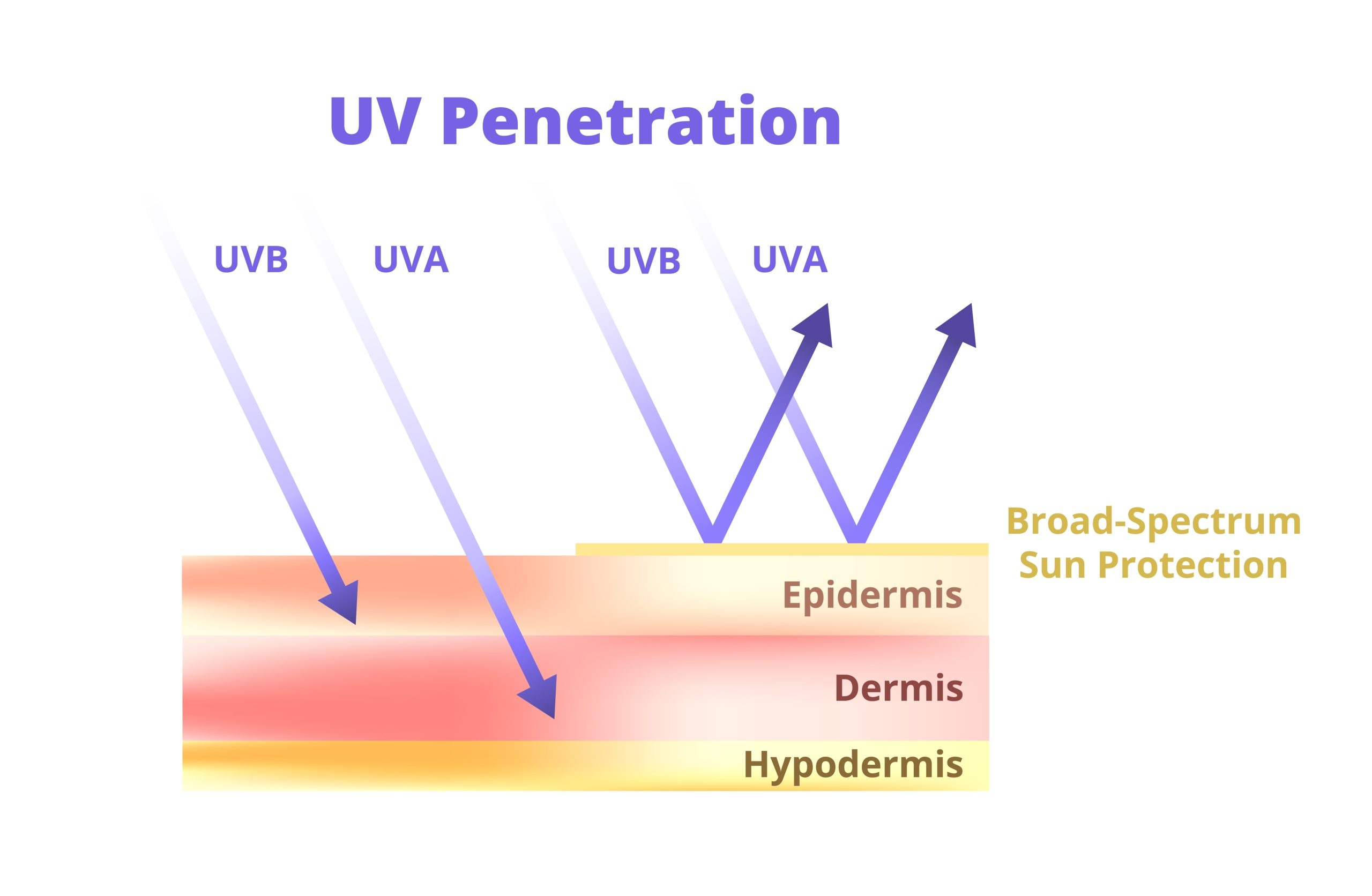
Unlike some older sunscreen ingredients that mainly target UVB rays, bemotrizinol provides broad-spectrum coverage across both UVA and UVB wavelengths. One of its value lies in the strong protection against UVA rays linked to photoageing, hyperpigmentation and long-term skin damage.
Another advantage is that bemotrizinol is highly photostable. In simple terms, it does not break down easily when exposed to sunlight. This means it can continue providing protection throughout sun exposure and can even help stabilise other sunscreen ingredients within a formulation.
The FDA also noted that bemotrizinol has low absorption through the skin into the body and is considered safe and effective for adults and children aged six months and older.
Wait…Have I Already Been Using Bemotrizinol?
Many skincare enthusiasts were surprised to learn that the ingredient had not previously been approved in the United States because they had been using it for years. If you have ever examined the ingredient list on a Korean, Japanese or European sunscreen, you may have come across names such as Tinosorb S, the best-known trade name for bemotrizinol used in sunscreen formulations sold outside the United States.
View this post on Instagram
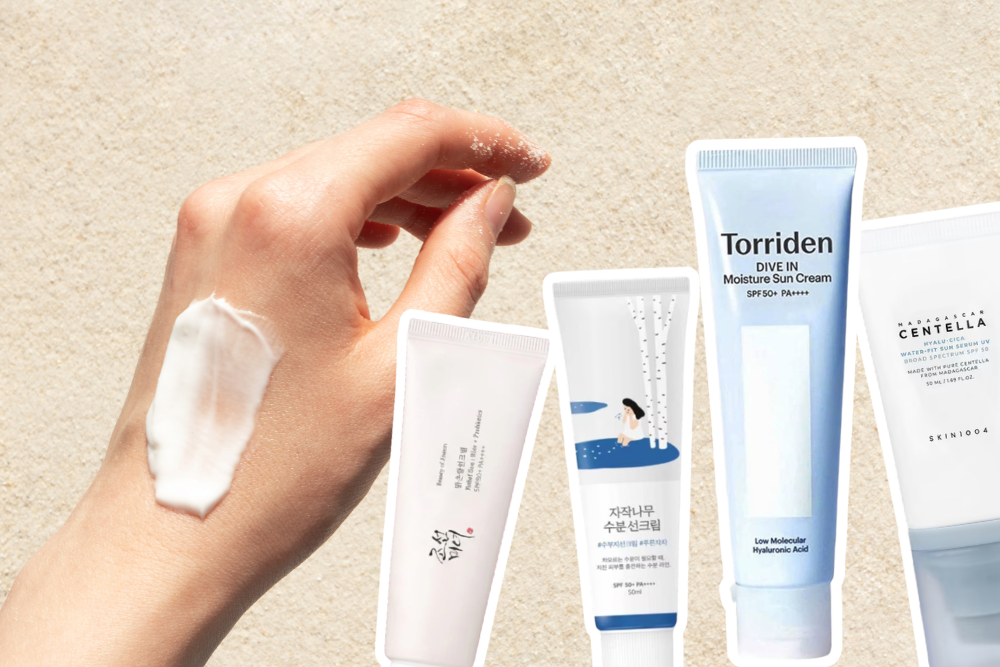
Popular Korean sunscreens that have contained bemotrizinol in recent formulations include products such as Beauty of Joseon Relief Sun, Round Lab Birch Juice Moisturizing Sun Cream, and SKIN1004 Madagascar Centella Hyalu-Cica Water-Fit Sun Serum.
For consumers in Asia, bemotrizinol is simply another sunscreen ingredient that has already become part of many daily skincare routines.
Is My Asian Sunscreen Better?
Not necessarily.
However, there is some truth behind the reputation that many Asian and European sunscreens have developed over the years.
Historically, manufacturers outside the United States have had access to a wider range of modern UV filters. This gave formulators greater flexibility when designing sunscreens that provide strong UVA protection while remaining lightweight and comfortable to wear.
For example, many Korean and Japanese sunscreens are formulated to work well under makeup, minimise white cast and provide a lightweight skin feel. They tend to feel lighter, less greasy and easier to wear every day. However, that experience is rarely due to a single ingredient.
The texture of a sunscreen depends on the entire formulation, including the combination of UV filters used, the moisturising ingredients, the emulsifiers and the overall product design.
Bemotrizinol certainly contributes to this flexibility because it is highly photostable and works well with other UV filters. However, it is the ability to combine multiple modern filters together that has helped many Asian sunscreen manufacturers create products that feel almost invisible on the skin.
That does not mean American sunscreens are ineffective. Many US sunscreens provide excellent protection against skin cancer and sunburn when used correctly. However, some have historically relied on older filters that can be heavier, greasier or less cosmetically elegant.
The FDA’s decision could allow American manufacturers to create products that feel more similar to the popular sunscreens already sold across Asia and Europe.
What to Look Out For In A Sunscreen?
For many Asians, sunscreen is not only about preventing skin cancer.
Concerns such as melasma, post-inflammatory hyperpigmentation, uneven skin tone and premature ageing are often major reasons people use sunscreen every day.
This is where UVA protection becomes particularly important.
Unlike UVB rays, which primarily cause sunburn, UVA rays can penetrate deeper into the skin. They contribute significantly to collagen breakdown, wrinkles, pigmentation disorders and long-term photoageing.
Even when you are indoors near windows or commuting to work, UVA exposure can still occur.
Because bemotrizinol provides strong and stable UVA protection, dermatologists see it as a valuable addition to modern sunscreen formulations.
So What Sunscreen Should I Use Now?
If you already use a sunscreen that you enjoy wearing consistently, there is little reason to replace it solely because it does not contain bemotrizinol.
A simple rule: the best sunscreen is the one you will actually use. A technically advanced sunscreen offers little benefit if it sits unused in a drawer because it feels sticky, leaves a white cast or irritates your skin.
Instead of focusing on a single ingredient, experts recommend looking for a sunscreen that:
- Provides broad-spectrum UVA and UVB protection
- Has an SPF of at least 30
- Fits comfortably into your daily routine
- Is applied generously and reapplied when necessary
Consistency remains far more important than any individual UV filter.
A Milestone?
For American consumers, the FDA’s approval of bemotrizinol represents the first meaningful expansion of sunscreen ingredients in more than two decades.
However, across skincare communities, the announcement has been met with a mix of excitement and scepticism. While many welcome the addition of bemotrizinol, others point out that some of the world’s most popular Asian and European sunscreens rely on multiple newer UV filters that remain unavailable in the United States.
As a result, American consumers should not expect their favourite Korean or Japanese sunscreen formulas to suddenly appear on pharmacy shelves. Many of those products contain a combination of advanced UV filters that are still not approved by US regulators.
Some industry observers also note that bemotrizinol will initially be sold under an exclusivity arrangement with dsm-firmenich under the brand name PARSOL® Shield before becoming available to other manufacturers, meaning it would take even more time before consumers see a wide range of new products incorporating the ingredient.
For now, the approval is perhaps best viewed as a first step rather than a finish line.

