

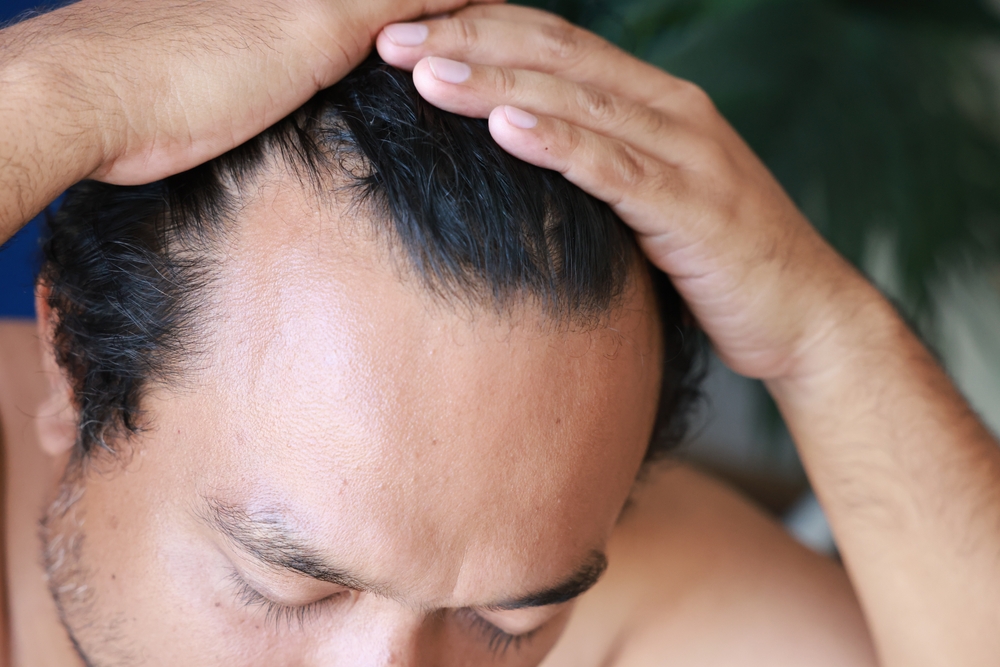
Hair loss is increasingly affecting people in their teens and twenties, prompting dermatologists to emphasise earlier diagnosis and treatment before permanent follicle damage occurs.
For many people, hair loss has long been associated with middle age.


It is something expected to happen decades into adulthood, after careers have been built and families raised. But dermatologists say that picture is rapidly changing.
Increasingly, clinics are seeing teenagers and young adults seeking help for thinning hair, receding hairlines and widening parts, sometimes before they even reach their twenties. While genetics remains the biggest driver of androgenetic alopecia, commonly known as hereditary hair loss, experts believe greater awareness, earlier recognition and possibly modern lifestyle factors are changing when patients first present for treatment.
The shift is also changing how doctors approach treatment. Rather than trying to reverse years of hair loss, the emphasis is increasingly on identifying the condition early enough to preserve healthy hair follicles before significant damage occurs.

“Increased awareness of hair loss among younger individuals through social media and improved
health literacy have resulted in more seeking medical advice sooner.” Dr Leona Yip, Consultant Dermatologist, Alopecia Specialist and Fellow of the Australasian College of Dermatologists, Brisbane, Australia, shared with Medical Channel Asia.
“In the past few years after COVID, I have seen more teenagers and young adults, both men and
women, presenting for treatment of early male and female pattern hair loss.”
Hair Loss Can Begin Much Earlier Than Many People Realise
Androgenetic alopecia is the most common form of hair loss worldwide. It develops when genetically susceptible hair follicles gradually become smaller over time, producing progressively finer and shorter hairs until growth eventually stops.
Although the condition becomes more common with age, research suggests it can begin well before the age of 30 in many individuals.
Genetics largely determine who develops hereditary hair loss, but researchers believe environmental and lifestyle factors may influence when it becomes noticeable.
“Growing evidence suggests that environmental and lifestyle factors may influence when and how
soon the condition presents itself among younger, predisposed individuals.” Dr Yip shared.
For example, pollution, UV exposure and smoking cause oxidative stress through reactive oxygen species that can directly damage the hair follicle. This causes hair growth cycle disruption and increase hair shedding and hair thinning.
Stress appears to be another important modifier.
“While stress does not directly cause androgenetic alopecia, strong research evidence shows that psychological or physical stress e.g. illness, rapid weight loss etc. can disrupt normal hair cycling and may exacerbate existing hair loss or trigger concurrent telogen effluvium, leading to more noticeable thinning.” Dr Yip elaborated.
Is Social Media Helping, or Making People Worry Unnecessarily?
One surprising reason more young people are presenting for treatment may simply be that they are paying closer attention.
Haircare routines, scalp cameras and discussions around hair health have become commonplace on social media, making people far more likely to notice subtle changes than previous generations.
“Social media has significantly improved awareness of hair loss and scalp health.” Dr Yip reflected.
“Many patients now recognize early signs of thinning or hair shedding that they may have previously ignored and are seeking medical interventions earlier. The increased awareness has
contributed to earlier diagnosis for many individuals, and with the right interventions, hair loss
progression can be appropriately managed.”
This increased awareness is not all positive – sometimes, this can sometimes fuel unnecessary anxiety over normal hair shedding.
“Social media can also create unrealistic expectations and commonly there is so much
content that fuel misinformation. It is not uncommon to see patients become concerned about
completely normal levels of daily hair shedding or compare themselves with heavily edited online
images.” She shared.
Marketing gimmicks prey on the insecurities of consumers, often promoting “quick” or “guaranteed” solutions. This often leads to a lot of frustration and distress for patients.
Hence, Dr Yip emphasises the importance of professional assessments and scientifically proven treatments. A dermatologist’s personalised assessment and individualised treatment plan ensures patients receive accurate information and appropriate tests and treatment early, and when necessary.
Why Waiting Can Make Treatment More Difficult
Unlike many temporary forms of hair shedding, androgenetic alopecia is progressive. Without treatment, affected hair follicles continue to shrink over time. Once follicles become inactive for prolonged periods, regrowing hair becomes considerably more difficult.
This is why dermatologists increasingly encourage patients not to dismiss persistent thinning as simply part of ageing or stress.
Early diagnosis does not necessarily mean immediate aggressive treatment, but it does allow patients to understand what is happening and consider treatment options before substantial hair density is lost.
Why Does Topical Minoxidil Remain a First-Line Treatment?
Among the treatments available for androgenetic alopecia, topical minoxidil remains a cornerstone therapy. It can promote hair growth and extend the anagen, or active growth, phase of the hair cycle.
“Topical minoxidil remains a practical foundational treatment for androgenetic alopecia because of its strong clinical evidence base, established safety profile and extensive real-world use,” said Jung Won Shin, M.D., Ph.D., Professor in the Department of Dermatology at Seoul National University Bundang Hospital.
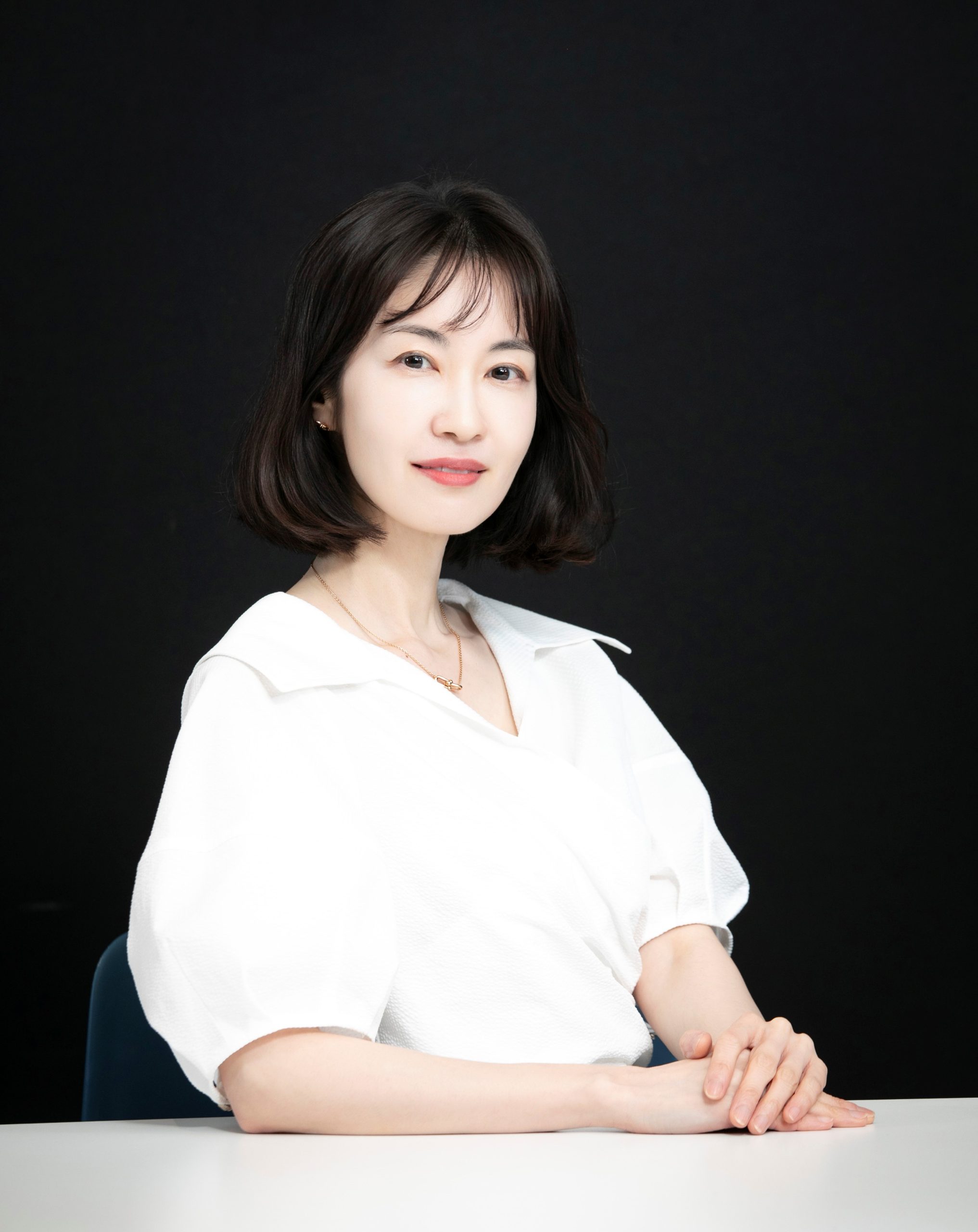
Professor, Department of Dermatology, Seoul National University Bundang Hospital
She added that topical minoxidil is recommended as a first-line treatment for both men and women in local and international clinical guidelines.
However, its effectiveness depends heavily on consistent use. Some patients struggle to continue treatment because it can leave the hair feeling sticky or greasy, interfere with styling or irritate the scalp. Foam formulations may be easier to apply and better tolerated, helping some patients maintain treatment over time.
Can Combining Hair Loss Treatments Produce Better Results?
At the World Congress for Hair Research, Professor Shin shared previous research on combination therapy alongside observations from her clinical practice.
Combination treatment may be considered when one therapy does not produce sufficient improvement. Different treatments can address different parts of the hair loss process: topical minoxidil promotes growth, while oral medicines such as finasteride or dutasteride help reduce the hormone-driven follicle shrinkage behind androgenetic alopecia.
In a 12-month randomised study involving Chinese men with male androgenetic alopecia. Improvement was reported in 80.5% of those receiving finasteride alone, compared with 94.1% of those receiving finasteride alongside topical 5% minoxidil.
“This suggests that adding topical minoxidil can provide additional benefit over finasteride alone,” she explained. “This also reflects what I see in daily practice.”
However, combination therapy is not automatically suitable for everyone. Dermatologists consider the patient’s medical history, the severity and speed of hair loss, treatment goals, preferences and ability to maintain a long-term routine.
Topical minoxidil may also need to be delayed in people with active scalp inflammation, significant irritant dermatitis, uncontrolled scalp psoriasis or an allergy to ingredients in the formulation. Any underlying scalp condition should be treated first.
How Long Does Hair Loss Treatment Take to Work?
Hair loss treatments do not produce immediate results because they act through the hair growth cycle. Professor Shin said that some patients may notice improvement after three months, but most need at least six months of consistent treatment before its effectiveness can be properly assessed.
Another common misconception is that treatment can stop once the hair improves.
“Androgenetic alopecia is a chronic and progressive condition, so if a treatment is working, it usually needs to be continued to maintain the benefit,” Professor Shin said.
She encourages patients to view treatment as a sustainable routine, similar to applying moisturiser for skin health or brushing their teeth each day. Stopping an effective treatment may allow hair loss to resume.
Earlier Treatment May Offer the Greatest Advantage
There is currently no permanent cure for hereditary hair loss, but early diagnosis can give patients a better chance of preserving existing hair.
Treatment is generally more effective while follicles are still active. Once prolonged miniaturisation has occurred, restoring lost density becomes more difficult.
For young people noticing persistent thinning, a widening part or a receding hairline, seeking professional advice does not necessarily mean beginning an aggressive treatment programme. It can help determine whether the change is hereditary hair loss, temporary shedding or another condition requiring a different approach.
The message from dermatologists is straightforward: hair loss treatment takes time, consistency and realistic expectations. Acting early may make the greatest difference.

