

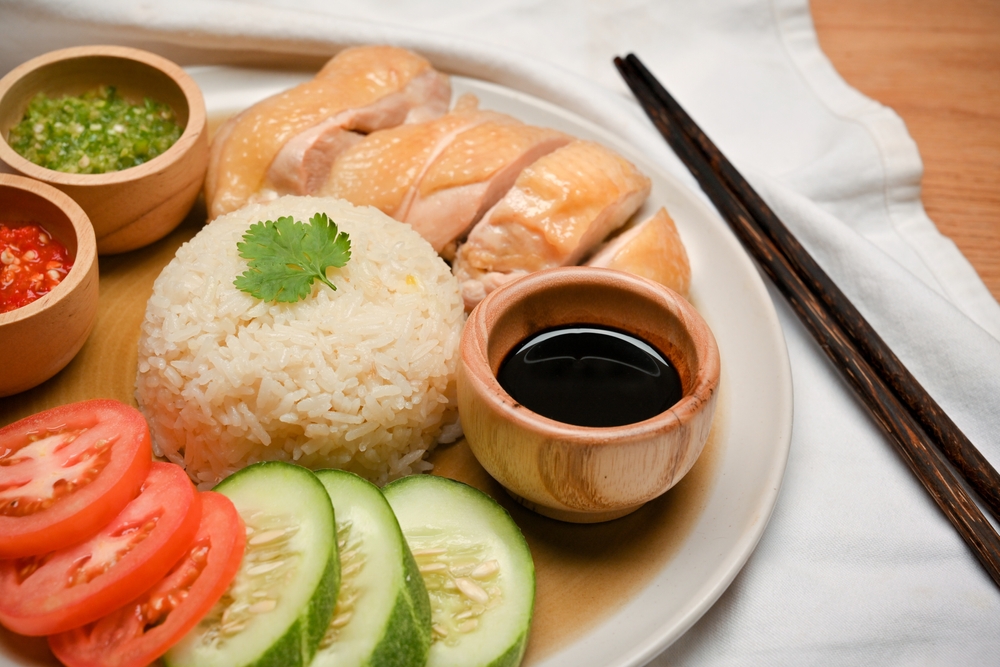
While hospitals usually come to mind, antibiotic resistance in food is a growing threat that could easily reach your daily meals.
Picture a typical weekday lunch: a plate of chicken rice at a hawker centre, or fish soup from a stall near the office. It is hard to imagine that bowl having anything to do with the next medical infection that stops responding to treatment.


Yet, public health agencies are increasingly asking the same question. When we talk about antibiotic resistance, we normally picture a patient in a clinical bed. However, the story often begins long before that, originating on farms, in fish ponds, across supply chains and within the water that runs through them.
What Is Antibiotic Resistance, Really?

Each time bacteria are exposed to an antibiotic, the ones that survive can multiply and pass on their survival tricks. Over time, medicines that once cleared an ailment in days can stop working as well.
Doctors call this antimicrobial resistance, or AMR. Antimicrobials serve as the medicines used to prevent and treat infections in people, animals and plants, meaning resistance is not limited to what happens in clinics. Without stronger action, researchers forecast more than 39 million directly attributable fatalities between 2025 and 2050.
How Does Resistance Travel From Farm to Plate?
Antibiotics are not just for humans. Farmers also use them on sick animals, including animals we raise for food, and with each use comes the chance for bacteria to adapt. Resistant microbes can then end up on meat, eggs or seafood, migrating from there into the kitchen.
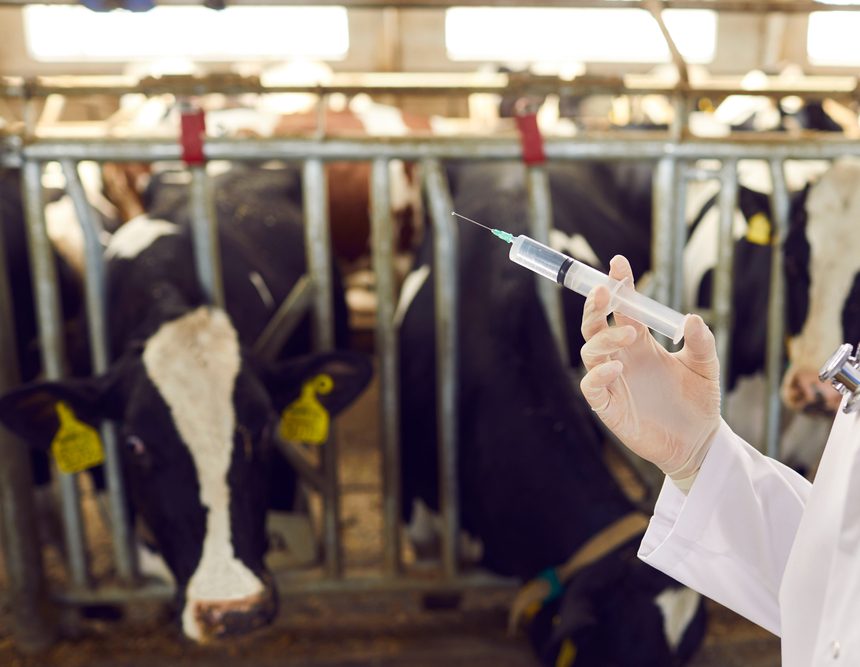
Singapore’s national plan takes this threat seriously. Officials address food safety alongside the role of the food chain in AMR transmission, including aquaculture and fisheries with emphasis on prudent use of antimicrobials and biosecurity.
Produce also comes from far away. As more than 90% of our food is imported into Singapore, farming practices overseas can impact what we see in our supermarkets and wet markets. To reduce this risk, meat and egg imports must be from Singapore Food Agency (SFA) accredited sources and meet local safety standards. SFA also prohibits the use of certain antibiotics in food-producing animals and sets strict limits on chemical residues in our food.
Does the Environment Play a Part Too?
Resistant bacteria and traces of antimicrobials do not stay where they start. They can pass from people and animals into wastewater, soil and waterways, eventually circling back through the places where food is grown and caught. This is why resistance cannot be tackled in hospitals and on farms alone.
Farms, food and water are only part of the picture. Resistance also builds in the place we rely on most to fight infection: the hospital.
Why Do Doctors Think Twice Before Prescribing Antibiotics?
Inside a hospital, every antibiotic prescription is a judgement call, and sometimes the evidence is not yet in.
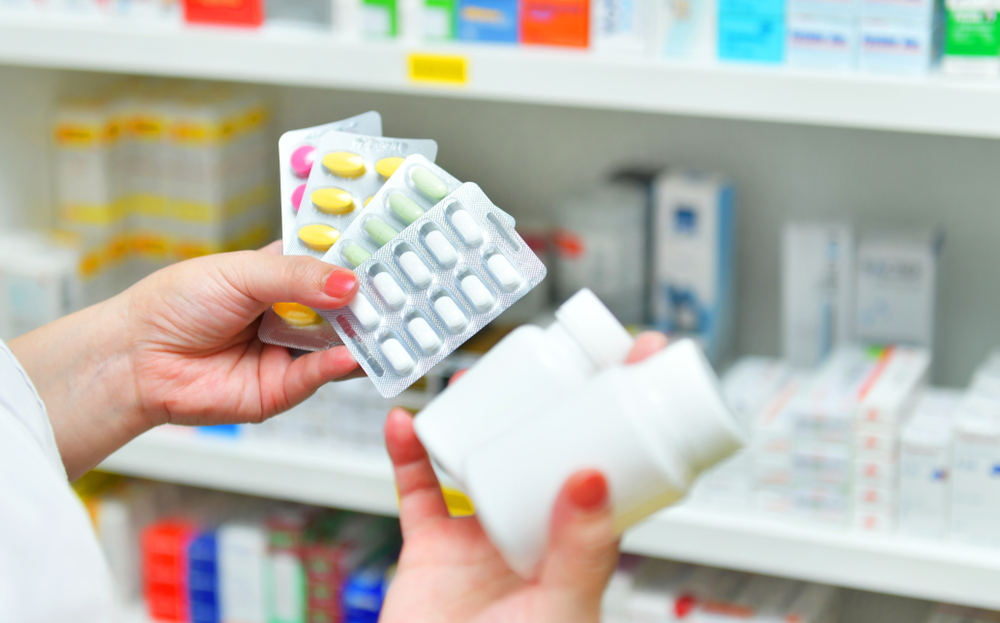
Take pneumonia, the fourth biggest cause of hospitalisation at local hospitals. It can turn severe very quickly, and some test results take up to two days to come back. So doctors usually start antibiotics on suspicion rather than wait for confirmation, since a delay can leave a patient sicker.
The trade-off is that some patients who turn out not to have pneumonia receive antibiotics they did not need. In a pilot study at Singapore General Hospital (SGH), almost 40% of antibiotics prescribed for pneumonia at the onset in 2023 may not have been necessary.
Dr Piotr Chlebicki, a senior consultant in SGH’s Department of Infectious Diseases, explains to CNA, “misusing antibiotics contributes to antibiotic resistance, posing challenges for future infection treatment”.
The same logic follows us out of the hospital. Every antibiotic taken without need gives bacteria another chance to adapt. Professor Allen Cheng, Monash University, also writes in CNA, that prescribing becomes more complicated when patients expect “a pill for every ill”. He also notes that antibiotics are a rare class of medication where treating one patient can affect others, through the spread of resistant bacteria.
So, Is My Chicken Rice Safe?
For most people, the answer lies in two habits.
- Cooking: SFA says raw meat may contain resistant bacteria, but proper cooking kills them.
- Preparation: Germs can get from one food to another during this important step before the stove. A classic example is cutting raw chicken, then cutting cucumber on the same board. This gap can be successfully closed by separating boards for raw meat and ready-to-eat dishes and then washing hands, knives and surfaces properly afterward.
What Can I Do, From Plate to Pharmacy?
Much of this happens beyond our control, but certainly not all of it.
In the kitchen
- Cook meat, poultry, eggs and seafood thoroughly.
- Keep raw meat and ready-to-eat items apart, and wash hands and boards after handling raw products.
- Buy from licensed sources.
At the pharmacy
- Take antibiotics only when a doctor prescribes them. They do not work on viruses such as colds and flu.
- Take them exactly as directed. If you feel better early or experience side effects, check with your doctor before stopping.
- Do not keep leftover medication or share pills with family and friends.
The humble antibiotic is one of modern medicine’s greatest tools. How we cook, shop and take our prescriptions will help decide whether it stays that way.
References:
- Cheng, A (2023). Commentary: We face a world potentially running out of antibiotics. CNA. https://www.channelnewsasia.com/commentary/superbug-antibiotics-ineffective-resistant-bacteria-dangerous-3910336
- Communicable Diseases Agency (2025). AMR and the National Strategic Action Plan on AMR. https://www.cda.gov.sg/professionals/antimicrobial-resistance/amr-and-the-national-strategic-action-plan-on-amr
- GBD 2021 Antimicrobial Resistance Collaborators (2024). Global burden of bacterial antimicrobial resistance 1990–2021: A systematic analysis with forecasts to 2050. The Lancet, 404(10459), 1199–1226. https://doi.org/10.1016/S0140-6736(24)01867-1
- Ministry of Sustainability and the Environment (2023). Written reply to PQ on antimicrobial resistance. https://www.mse.gov.sg/latest-news/written-reply-to-pq-on-antimicrobial-resistance/
- Singapore Food Agency (2026). Antimicrobial resistance. https://www.sfa.gov.sg/food-safety-tips/food-risk-concerns/information-on-antimicrobial-resistance#overview-0
- United Nations Environment Programme (2025). National Strategic Action Plan on AMR V2 monitoring & evaluation framework (2025–2030). https://leap.unep.org/en/countries/sg/national-legislation/national-strategic-action-plan-amr-v2-monitoring-evaluation
- United Nations Environment Programme (2025). National Strategic Action Plan on Antimicrobial Resistance 2025–2030. https://leap.unep.org/en/countries/sg/national-legislation/national-strategic-action-plan-antimicrobial-resistance-2025-2030
- Yeam, N. R., & Abu Baker, J. (2024, November 20). SGH doctors to use AI in making decisions on antibiotic prescription for pneumonia patients. CNA. https://www.channelnewsasia.com/singapore/ai-antibiotic-resistance-prescription-sgh-hospital-pneumonia-4759296

