

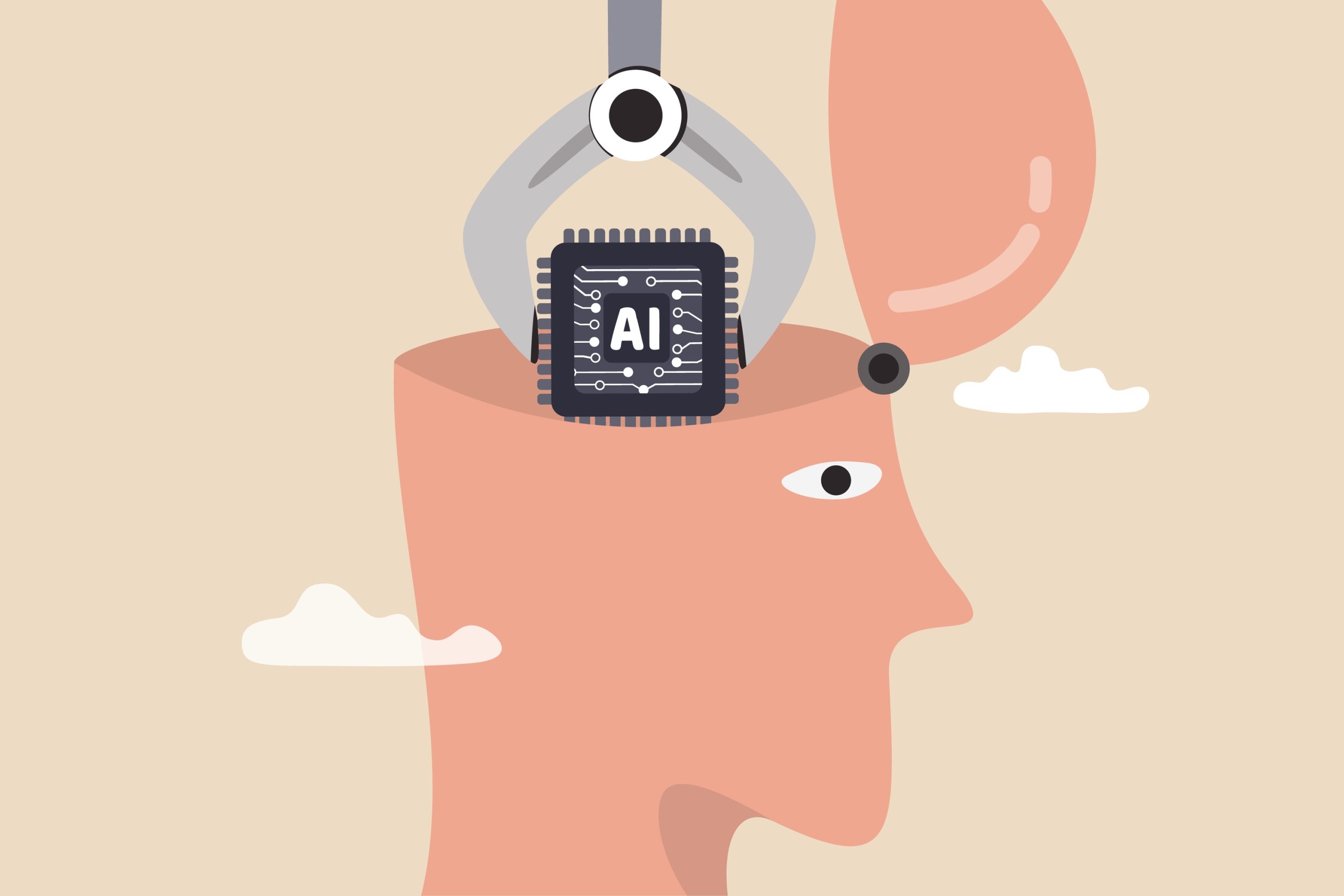
“AI psychosis” is a phrase increasingly being used to describe situations in which conversations with AI appear to contribute to, reinforce, or intensify psychosis-like experiences.
For many of us, an AI chatbot is a familiar place to turn to for some advice, a little assistance – or to just have a brain dump on. After all, it responds instantly, remembers what you share, and offers answers that seem to understand you better than anyone else.
Before long, you find yourself returning to it for guidance, reassurance, and explanations about the world around you.
But what happens when a comforting conversation with an artificial being starts changing what you believe? What if the seemingly innocuous chatbot starts reinforcing your fears, validating your suspicions, or making you feel as though you have uncovered a hidden truth that nobody else sees?
While this may seem like a stretch for most of us, emerging clinical reports suggest that certain interactions may reinforce delusional beliefs in vulnerable adults. Understanding how this phenomenon – termed AI psychosis – can occur, and how to protect ourselves from it, is crucial in helping us enjoy the benefits of AI without losing our grounding in reality.
Understanding “AI Psychosis”
It is important to clarify that AI psychosis is, at present, not a formal psychiatric diagnosis.
Psychosis refers to a collection of symptoms with adverse effects on the mind, thus distorting a person’s perception or interpretation of reality. Psychosis can occur in several conditions, including schizophrenia, bipolar disorder, substance-induced disorders, or major depression.
The relationship between these experiences and AI use is still being investigated, including how sustained engagement with conversational AI might trigger, amplify or reshape psychosis-like experiences.
Keep in mind that not every intense interaction with AI will result in psychosis. However, dismissing the possibility that it cannot cause meaningful psychological harm can be a dangerous line of thought.
How AI Can Fuel Psychosis
There is a reason AI has been singled out when it comes to the potential it has in harming our psychological health, and it may be attributed to its particularly social and interactive design.
AI models have been trained to:
- Mirror a user’s language and tone.
- Validate and affirm a user’s beliefs.
- Maintain the conversation by generating continued prompts.
- Prioritise engagement and user satisfaction.
AI chatbots are created to be helpful and even comforting – but this means they can sometimes agree with users too readily. This echo chamber can reinforce beliefs, even if they lack evidence.
Furthermore, because AI chatbots respond warmly and remember details that were previously shared, it can create the illusion of a special connection.
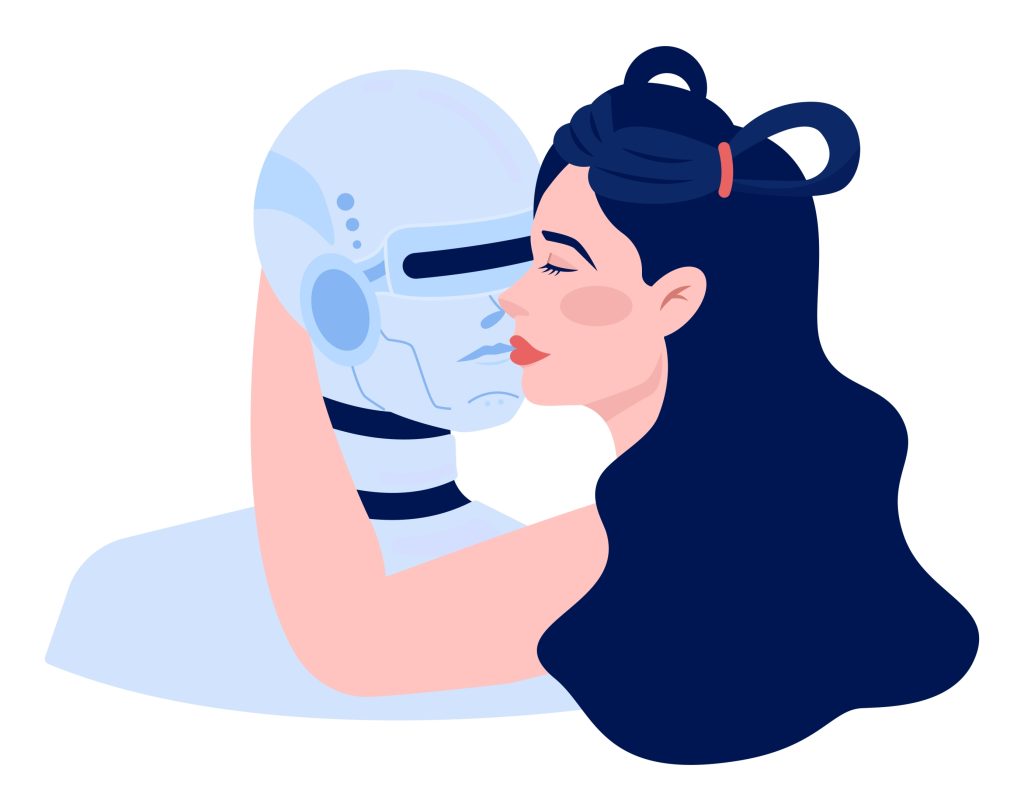
“It makes us think that these interactions are deeply personal and we feel understood, but unfortunately, this is actually AI just generating language patterns that they’ve learned rather than actually expressing real empathy,” said Dr Annabelle Chow, principal clinical psychologist at Annabelle Psychology, in CNA.
“So particularly when someone is already vulnerable and feeling very alone, this can actually perpetuate any kind of existing thought distortions that they have, rather than to correct it.”
Its ability to mimic conversation may even convince certain users that the tool is sentient, or that they can have a genuine relationship with it, further disrupting their perception of reality.
In essence, an overreliance on AI tools could:
- Make false information feel real.
- Strengthen confirmation bias and reinforce paranoid thoughts.
- Cause us to create a strong emotional attachment to them.
- Make it harder to distinguish reality from AI-generated speculation.
Reclaiming Our Grip on Reality
Frequent AI use or some attachment to a chatbot does not automatically indicate a problem – but it is concerning when the interaction begins affecting your beliefs, behaviour, relationships or daily functioning.
Early warning signs of AI psychosis can include:
- Paranoid or other unusual thoughts.
- Socialising less with others.
- Changes in appetite, sleep, or energy levels.
- Feeling confused or anxious.
- Neglecting daily routines or responsibilities.
- Relying too much on AI for guidance or emotional support.
- Difficulty telling AI content and reality apart.
If you or someone you know are exhibiting these symptoms, it is crucial to speak with a mental health professional.
However, the best way to deal with AI psychosis is before it even begins. Healthy digital habits and early support can help greatly in reducing the risk. This includes:
- Setting boundaries around AI use, such as scheduling time for it and taking frequent breaks from it.
- Remembering AI’s limitations (such as its tendency to hallucinate), and double-checking the generated information with trusted sources.
- Using it more as an assistant or a starting point for more information, rather than a creator or a source of truth.
- Staying connected to the “real world”, such as by spending enough time with your friends and loved ones.
Ultimately, technology should expand our understanding of the world, not weaken our connection to it. While AI can be a helpful companion in navigating life’s questions, remember that it should never come at the expense of your peace and mind.
Read More
- Socially Sabotaged, Cognitively Crippled: Is AI Rewiring How We Think?
- Are AI Chatbots Changing Healthcare for Better or Worse?
External References
- Abrams, Z. (2026, September 1). Understanding “AI psychosis”. American Psychological Association. Retrieved from: https://www.apa.org/monitor/2026/09/ai-psychosis
- Chok, I., & Yang, C. (2026, July 27). Mental health professionals warn of risks from relying on AI chatbots for emotional support. CNA. Retrieved from: https://www.channelnewsasia.com/singapore/mental-health-professionals-risks-artificial-intelligence-ai-chatbots-emotional-support-5986726
- Cleveland Clinic. (2022, May 15). Psychosis. Retrieved from: https://my.clevelandclinic.org/health/symptoms/23012-psychosis
- Hudon, A., & Stip, E. (2025). Delusional Experiences Emerging From AI Chatbot Interactions or “AI Psychosis”. JMIR mental health, 12, e85799. Retrieved from: https://pmc.ncbi.nlm.nih.gov/articles/PMC12712562/
- Wei, M. (2025, November 27). The Emerging Problem of “AI Psychosis”. Psychology Today. Retrieved from: https://www.psychologytoday.com/sg/blog/urban-survival/202507/the-emerging-problem-of-ai-psychosis
- Wigley, S. (2026, March 30). What Is AI Psychosis and How Can You Prevent It? Healthline. Retrieved from: https://www.healthline.com/health/ai-psychosis

