


At the RESILIA Summit 2026 in Bangkok, cardiac surgeons from across Asia Pacific explored how new 10-year data on RESILIA tissue are supporting a shift from choosing the best valve for today to planning heart valve care across a patient’s lifetime.
For decades, heart valve replacement decisions largely revolved around age.


Younger patients were often steered towards mechanical valves due to their durability, while older patients frequently received tissue valves that offered the advantage of avoiding lifelong anticoagulation therapy.
Today, however, the conversation is becoming more nuanced.
Across Asia Pacific, populations are ageing rapidly. Life expectancy now exceeds 80 years in several countries across the region, while the burden of cardiovascular disease continues to grow. As more people live longer and remain active later in life, rather than simply choosing the valve that performs best today, doctors are planning for what patients may need 10, 20 or even 30 years into the future.
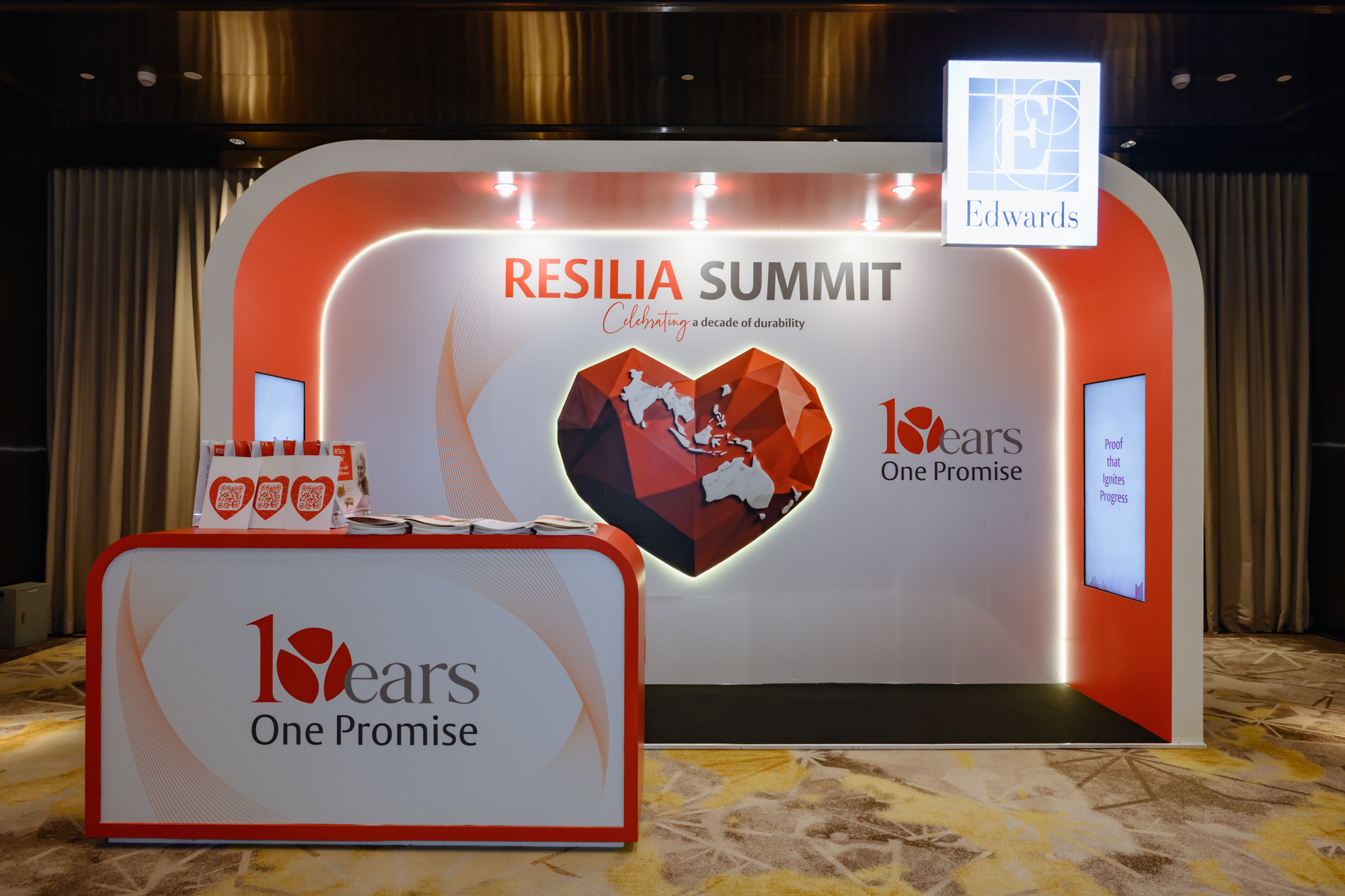
This concept, known as lifetime management, was one of the central themes discussed at the RESILIA Summit 2026 in Bangkok, where more than 120 cardiac surgeons from across Asia-Pacific gathered to discuss how longer life expectancy is reshaping valve replacement decisions.
Mechanical vs Tissue Valves: What Is The Difference?When a damaged heart valve needs to be replaced, doctors generally choose between two main types of replacement valves: mechanical valves and tissue valves. Mechanical valves are made from durable materials such as carbon and metal. Their biggest advantage is longevity, with many lasting for decades. However, because blood is more likely to clot on the valve’s surface, patients usually need to take lifelong blood-thinning medication. As a result, younger patients were often directed towards mechanical valves, while tissue valves were more commonly used in older patients. Tissue valves, also known as bioprosthetic valves, are made from animal tissue, typically from cow (bovine) or pig (porcine) tissue. They generally do not require lifelong anticoagulation, making them an attractive option for many patients. Historically, however, tissue valves have been more prone to wear and tear. One of the main causes of tissue valve deterioration is calcification, where calcium deposits gradually build up on the valve. Over many years, this can cause the valve to become stiffer and less effective. RESILIA tissue is Edwards Lifesciences’ proprietary tissue technology designed to help reduce calcification and improve long-term durability. The recently announced 10-year COMMENCE trial data add to the growing body of evidence evaluating how valves featuring RESILIA tissue perform over time. Ultimately, factors such as age, lifestyle, medical history, personal preferences and long-term treatment goals all play a role in determining the most appropriate valve option for patients. |
Why Durability Has Become A Key Consideration
The shift comes as new long-term data continue to emerge on valve performance.
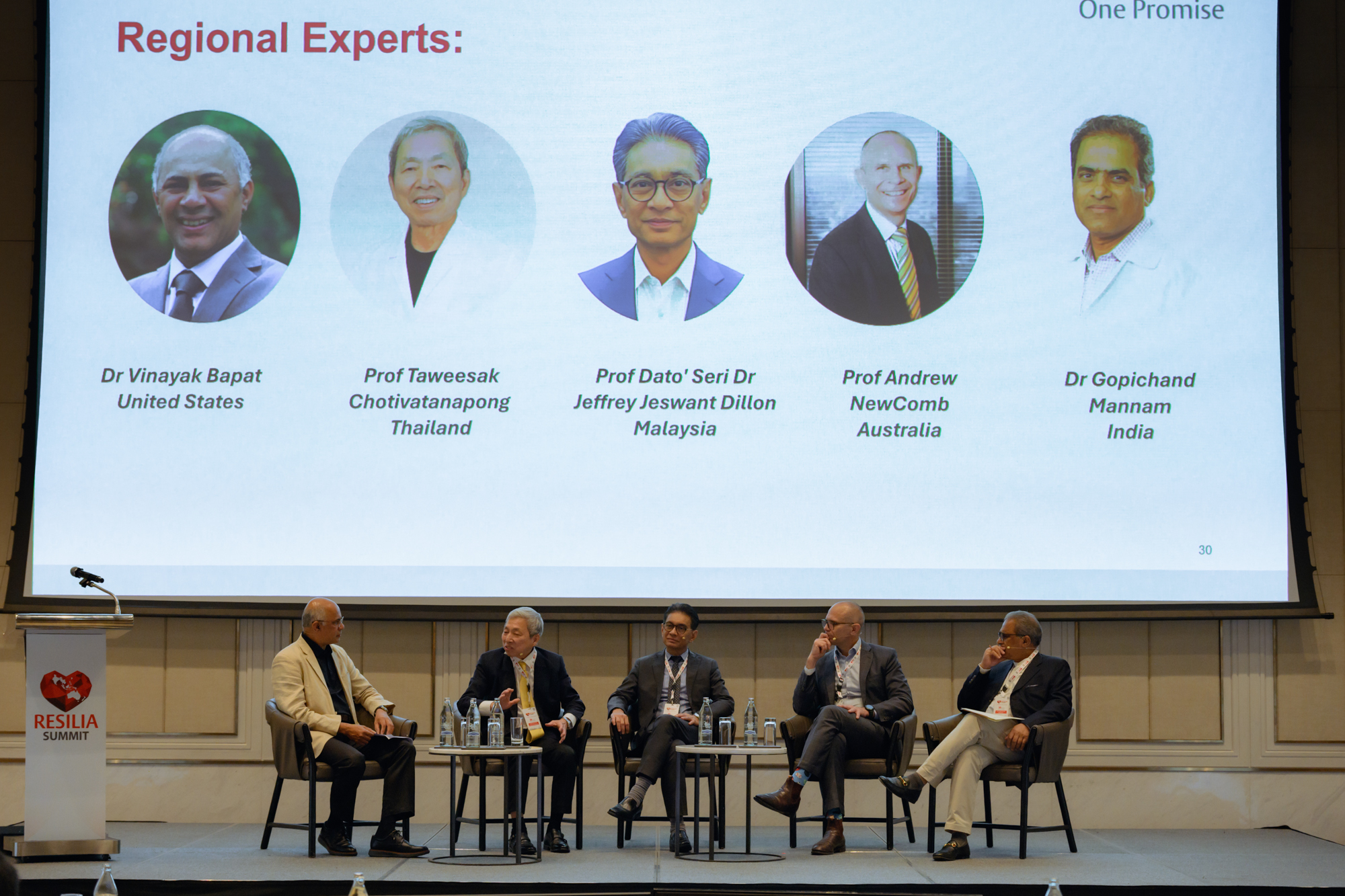
Recently announced 10-year results from the COMMENCE aortic trial showed 97.9% freedom from structural valve deterioration and 97.8% freedom from reoperation due to structural valve deterioration among patients treated with Edwards’ surgical valves featuring RESILIA tissue. The data also demonstrated sustained haemodynamic performance over time.
Dr Vinayak (Vinnie) Bapat, Chair of Cardiothoracic Surgery at the Valve Science Center, Allina Health Minneapolis Heart Institute, USA, added: “Ten-year outcomes data of this quality are rare in cardiac surgery. These durability benchmarks have real implications for how we risk-stratify patients and sequence interventions across a lifetime.”
According to Amit Raheja, Senior Vice President – APAC at Edwards Lifesciences, long-term evidence is central to how the company evaluates innovation.
“We play for the long term. The 10-year COMMENCE data reflect Edwards’ commitment to patients. We recognise that innovation is not only about developing new technologies, but also about generating the long-term clinical evidence needed to demonstrate patient outcomes.”
Why Do The Results Matter?
|
Historically, valve replacement was often viewed as a single event. Today, many clinicians see it as the beginning of a lifelong treatment journey.
Younger patients receiving a valve in their 50s or 60s may outlive their first prosthesis. As a result, surgeons are increasingly considering how today’s procedure could affect future treatment options, including the possibility of repeat surgery or transcatheter interventions later in life.
Discussions at the RESILIA Summit repeatedly returned to this idea of “lifetime valve management” — planning not only for immediate outcomes, but also preserving options for future care.
Patient Vignette: Mr T
Eight years ago, Mr T started feeling breathless doing daily tasks as a farmer.
“I just thought it was old age,” he said.
Encouraged by his wife, he went to see a doctor who diagnosed him with a heart failure, specifically in the bicuspid aortic valve. Initially, he opted for medical therapy to help manage his condition.
“It got to a stage that I could not lie down to sleep properly and I was feeling bloated constantly. I just had to stop work all the time because I was always out of breath,” he described his symptoms.
His wife remembered the uncertainty they faced during that period.
“It was absolute terror. I thought I was going to lose my husband. We were married for 41 years and the uncertainty was just huge,” she recounted her feelings at that stage.
In his mid-50s, Mr T underwent heart valve replacement using RESILIA tissue technology. He was discharged five days after the procedure and was able to gradually return to his normal daily activities.
Today, 8 years later, he continues his focus on work, family and living healthily. His experience reflects a technology that has since expanded far beyond its early adopters. According to Edwards Lifesciences, more than 500,000 patients worldwide have now been treated with surgical and transcatheter innovations featuring RESILIA tissue.
“We continue to emphasise to our family and children on the importance of health and living a healthy life. I hope to live beyond a 100,” he joked.
Today’s Patients Want More Than Just Survival
The profile of today’s valve patient looks very different from that of previous generations. As life expectancy continues to rise across Asia Pacific, so too have patients’ expectations.
A generation ago, many people viewed retirement as a time to slow down. Today, patients in their 50s and 60s are often still working, travelling, caring for grandchildren and pursuing active hobbies such as golf, hiking or pickleball. For many, maintaining quality of life has become just as important as extending it.
This shift is changing conversations in the clinic.
“A lot of patients in their 50s and 60s are now very active. So previously what we would recommend to them was a mechanical one.” said Prof. Dato’ Dr. Jeffrey Jeswant Dillon, Senior Consultant Cardiothoracic Surgeon at Institut Jantung Negara (IJN)
“But they do not want to take warfarin (a blood thinner) because they’re very active. They go outdoors, they do sports, they do the rugged activities outside. They don’t want to risk a fall when they’re on blood thinners. So they want a good quality of life. ”
As a result, valve replacement is increasingly becoming a shared decision between doctor and patient. Beyond age alone, clinicians now consider factors such as lifestyle, future treatment options and the individual’s priorities when selecting the most appropriate valve.
“There is no right or wrong answer,” Prof. Dillon said. “We discuss the advantages and disadvantages of each option, and together decide what is best for the patient based on their needs.”
Why Heart Valve Disease Looks Different In Asia
While ageing populations are increasing the burden of valvular heart disease globally, Asia Pacific faces several unique challenges.
Unlike many Western countries, rheumatic heart disease remains an important cause of valve disease in parts of Asia. This means that some patients develop serious valve problems at a much younger age. At the same time, disparities in access to specialist care and valve interventions can contribute to delayed diagnosis and treatment.
Amit shares that the region is becoming an increasingly important focus not only for patient care, but also for clinical research.
“Asia Pacific is a region we are deeply committed to. As we continue to expand across the region, we are equally committed to investing in clinical evidence and patient outcomes here.”
Clinicians across the region often manage a diverse patient population, ranging from younger adults with rheumatic heart disease to older patients experiencing age-related valve degeneration.
Planning For Decades, Not Years
For decades, the question facing many patients was whether they should prioritise durability or lifestyle when choosing a replacement heart valve. As evidence continues to emerge and patient expectations evolve, that conversation may become increasingly nuanced.
For clinicians across Asia, the challenge is no longer simply helping patients live longer. It is helping them stay active, independent and healthy throughout those additional years.
The growing body of long-term evidence supporting valve performance is helping inform these decisions and contributing to broader discussions around lifetime management strategies.
For patients, this represents a shift in how success is defined. Increasingly, the goal is not simply to replace a diseased valve, but to support decades of health, independence and quality of life.
As Asia’s population continues to age, one question is becoming increasingly important: not simply whether a heart valve works today, but whether it can continue supporting the life a patient hopes to live for many years to come.

