

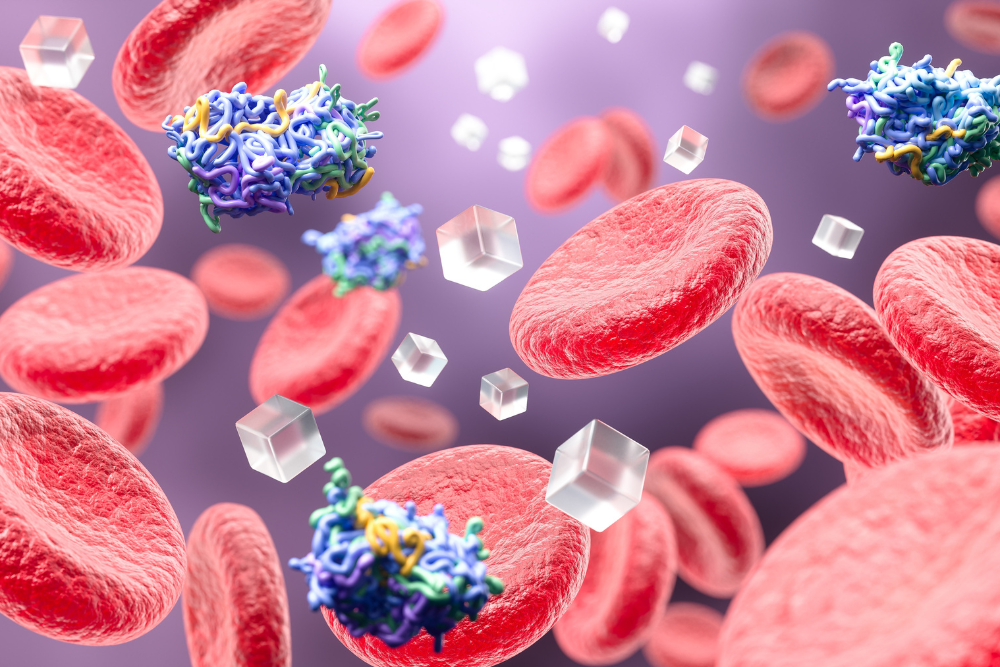
A genetically engineered stem cell therapy has reversed newly diagnosed Type 1 diabetes in mice by reprogramming the immune system. Instead of simply replacing insulin, it raises hopes for future disease-modifying treatments.
- Researchers reversed newly diagnosed Type 1 diabetes in mice using genetically engineered stem cells that target the underlying autoimmune disease.
- The therapy reprogrammed the immune system, increasing protective immune cells while suppressing those that attack insulin-producing beta cells.
- Unlike insulin, the treatment aims to address the root cause of Type 1 diabetes rather than simply controlling blood sugar.
- Human clinical trials are the next step, although more research is needed before the therapy could become a treatment for patients.
For more than 100 years, insulin has transformed Type 1 diabetes from a fatal disease into a manageable condition. Yet despite this breakthrough, insulin treats only one part of the problem. It replaces the hormone the body can no longer produce. However, it does not stop the immune system from attacking the insulin-producing cells in the pancreas.


Now, researchers in the United States have developed an experimental stem cell therapy that aims to tackle the disease at its root. Instead of focusing on blood sugar control alone, the treatment reprogrammes the immune system itself.
In a new study published in Molecular Therapy, scientists at the Medical University of South Carolina (MUSC) successfully reversed newly diagnosed Type 1 diabetes in mice using genetically engineered stem cells.
While the findings are still limited to animal studies, they represent a promising step towards therapies that could preserve the body’s own ability to produce insulin.
Why Does Type 1 Diabetes Happen?
Type 1 diabetes is an autoimmune disease. Rather than recognising insulin-producing beta cells as part of the body, the immune system mistakenly attacks and destroys them.
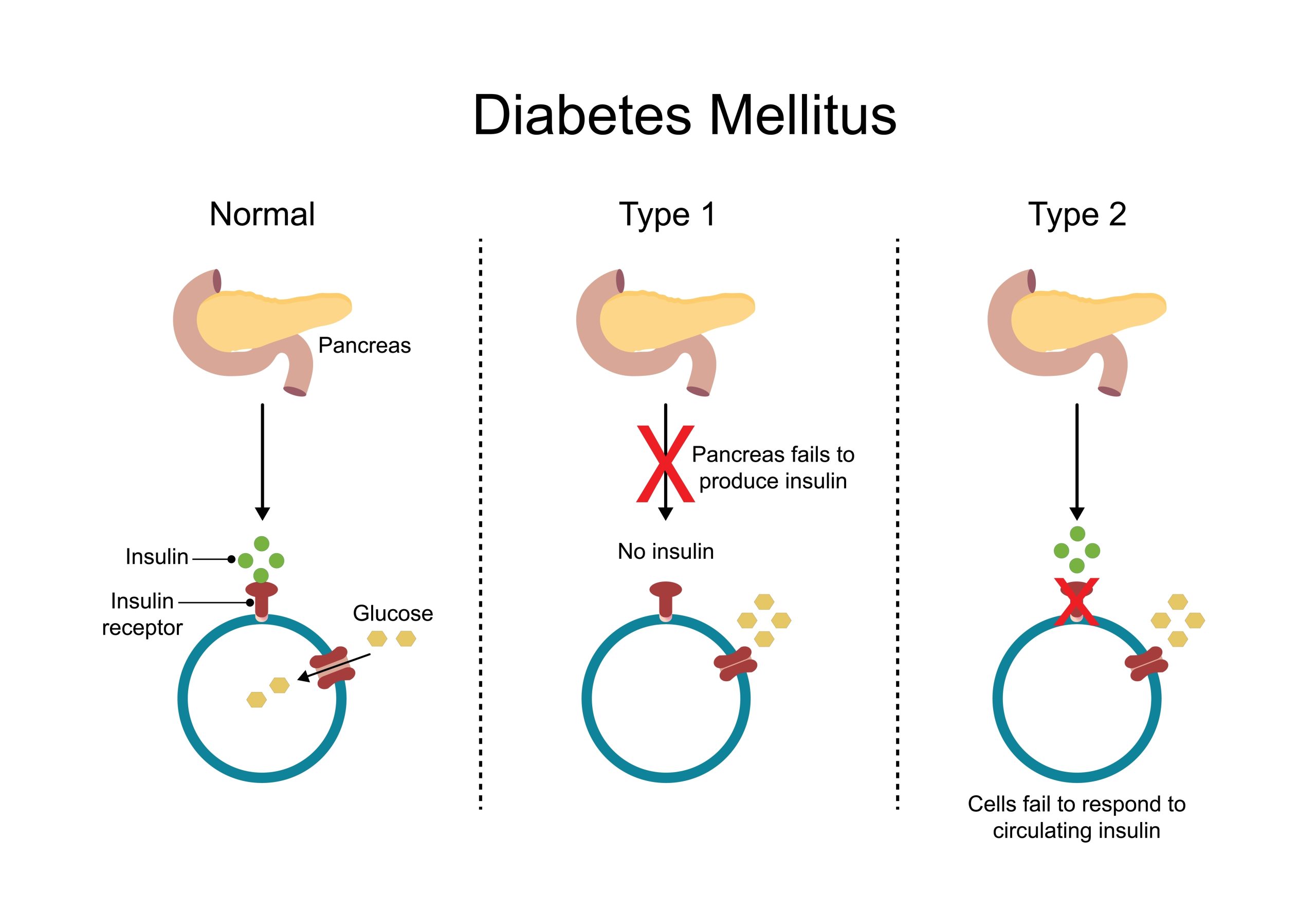
As more beta cells are lost, the pancreas can no longer produce enough insulin. As a result, patients are left dependent on lifelong insulin injections or insulin pumps.
Current treatments are highly effective at managing blood glucose levels, but they do not prevent the ongoing autoimmune attack or restore damaged pancreatic tissue. As a result, researchers have spent decades searching for treatments that can modify the disease itself.
How the New Stem Cell Therapy Works
The research team focused on mesenchymal stem cells (MSCs), adult stem cells already known for their ability to regulate inflammation and influence immune responses.
Previous studies have suggested MSCs may help preserve remaining insulin production in people with newly diagnosed Type 1 diabetes. However, their effects have been limited because the intense inflammatory environment often overwhelms the transplanted cells.
To overcome this, the researchers genetically engineered the stem cells to produce alpha-1 antitrypsin (AAT), a naturally occurring anti-inflammatory protein.
The modified cells, known as AAT-MSCs, appeared to perform two important functions simultaneously:
- Protecting the remaining insulin-producing beta cells in the pancreas
- Calming the autoimmune response responsible for destroying those cells
According to lead investigator Dr Hongjun Wang, this approach addresses the underlying immune dysfunction rather than simply treating high blood sugar.
Reprogramming the Immune System
One of the study’s most striking findings was not simply that inflammation decreased, but that the immune system itself appeared to change its behaviour.
The researchers analysed thousands of immune cells after treatment and observed a shift in the balance between two key immune cell populations.
Regulatory T cells (Tregs), often described as the immune system’s “peacekeepers”, increased significantly after treatment. These cells help suppress harmful immune attacks, maintain tolerance to self-antigens, and prevent autoimmune diseases. At the same time, the aggressive CD8+ killer T cells responsible for destroying beta cells became less active and showed signs of immune exhaustion.
Rather than broadly suppressing immunity, the therapy appeared to restore balance between protective and destructive immune responses.
Why the Effects May Last
Interestingly, the transplanted stem cells did not remain in the body for long. They disappeared within hours to days after infusion. Despite this, the immune changes persisted.
The researchers believe the stem cells release tiny biological signals that continue influencing immune behaviour even after the cells themselves have disappeared.
This observation aligns with previous clinical studies using mesenchymal stem cells for other inflammatory diseases. In those studies, benefits have sometimes lasted months or even years after a single treatment.
If similar long-term immune reprogramming can be achieved in humans, patients may not require continuous stem cell therapy.
Could This Reduce the Need for Insulin?
Well, not yet. The therapy was tested only in mice with newly diagnosed Type 1 diabetes, when some insulin-producing cells still remained. Researchers believe preserving these surviving beta cells is likely to be easier than regenerating an entirely destroyed pancreas in long-standing disease.
Human clinical trials evaluating mesenchymal stem cells in newly diagnosed Type 1 diabetes are already underway. Nevertheless, the genetically engineered AAT-MSC approach would require further safety studies before progressing to larger clinical trials.
The researchers are also exploring whether the same immune reprogramming strategy could benefit other autoimmune diseases such as lupus and chronic pancreatitis.
A Shift Towards Treating the Disease at Its Roots
Although insulin will remain essential for people living with Type 1 diabetes for the foreseeable future, researchers increasingly hope future therapies can do more than replace a missing hormone.
Disease-modifying treatments that preserve the body’s remaining insulin production could potentially improve long-term glucose control. They could also reduce complications and lessen dependence on insulin therapy.
This study offers early evidence that genetically enhanced stem cells may one day become part of that strategy. However, much more research is needed before the approach can be considered for routine clinical use. Larger animal studies, followed by carefully designed human trials, will be necessary to confirm both safety and effectiveness.
For now, the findings provide another encouraging example of how scientists are moving beyond treating symptoms towards addressing the autoimmune process that drives Type 1 diabetes itself.

