

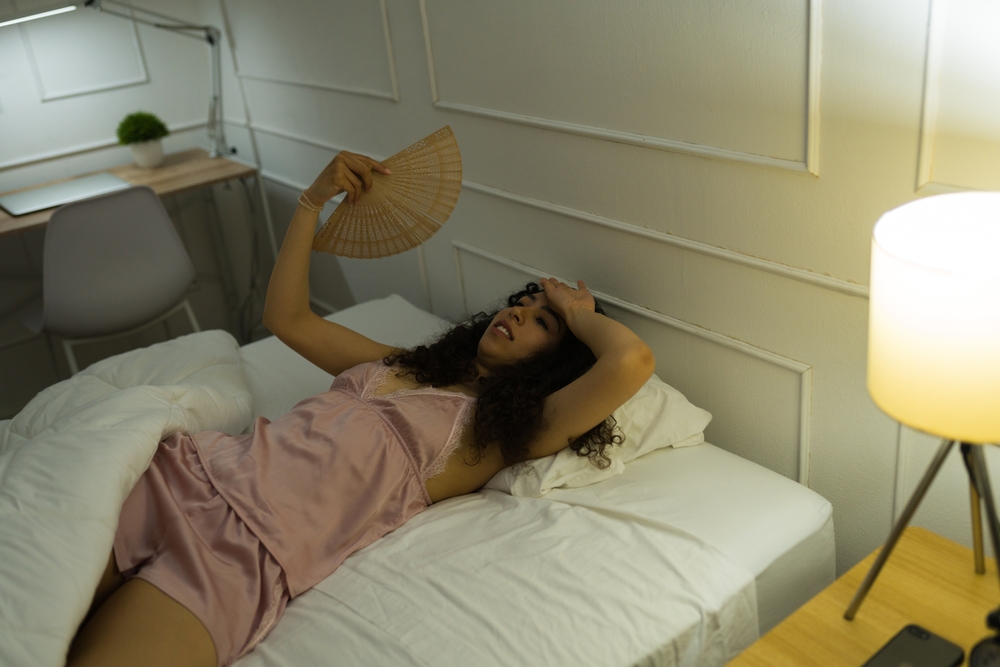
Hot nights can leave anyone feeling exhausted and frustrated. Understanding how temperature affects your body’s natural sleep cycle is the first step to getting better rest.
We typically associate sleep problems with stress, late-night screen time, or too much caffeine, but what if the temperature is currently our biggest barrier against a good night’s rest? Imagine crawling into bed after a long day, only to spend the next few hours tossing and turning, constantly flipping your pillow to the cool side, and getting overstimulated by the sweat percolating on your skin.


Even if you started out exhausted, a bedroom that feels like a sauna can make it harder to drift off, cause you to wake up more often, and leave you feeling less than refreshed the next day.
Thankfully, you don’t need any high-tech cooling gadget to enjoy some quality shuteye on those nights when the air gets stiflingly hot. From blackout curtains to frozen bedsheets, a few clever adjustments can make a surprisingly significant difference.
Why Sleeping Is Harder When It Is Hotter
Your body follows an internal clock known as the circadian rhythm, which regulates when you feel awake and when you feel sleepy. As bedtime approaches, your body temperature naturally drops, a process that is an important part of falling asleep and staying asleep.
However, a warm bedroom makes it more difficult for your body to stay cool enough to sustain deep sleep, the stage in which your body repairs muscles and tissues, strengthens the immune system and restores neural pathways. Instead, it promotes wakefulness, discomfort and restlessness.
Even if you do not fully wake up, these disruptions can reduce how rejuvenating your sleep feels.
Common effects of reduced or fragmented sleep include:
- Impaired mental performance
- Mood swings
- Weakened immune function
- A higher risk of chronic conditions, such as diabetes and cardiovascular diseases
- Lower productivity
- Difficulty thinking creatively
- More errors or accidents made
Practical Ways to Combat the Heat
Fortunately, there are plenty of cooling strategies you can test out when the nights get oppressively humid, including resources you already have access to at home.
Use Blackout Curtains
Keeping a cool and comfortable environment is an important practice to maintain under sleep hygiene, and blackout curtains can transform your sleeping space.
They do more than just darken your room – they help reduce the amount of sunlight and heat entering through your windows during the day. This can prevent your bedroom from turning into an oven, especially if you have windows directly facing the sun.
Take a Lukewarm Shower
While a cold shower seems more intuitive, bathing in tepid water often works better.
“A warm shower introduces heat to the body to warm you up, and then when you move to a cooler room afterwards, you will lose more heat as a result…and that often helps you cool down before sleep,” explained Michele Renard, Research Fellow at the National University of Singapore, in The Straits Times.
Rig Up a DIY Ice Fan
While an air conditioner would be preferred, if you do not have one, a fan can still offer some relief.
If you would like to further boost its cooling efficiency on a hot night, you can pair it with a large bowl of ice cubes. Just place the ice behind the fan, and it will blow cooler air towards you.
Be sure to keep the bowl secure to prevent spills. While it may not fully replace an air conditioner, it can make falling asleep much more comfortable, especially during the early stages of sleep.
Buy Cooling Sheets – Or Just Freeze Them
Consider getting cooling sheets or pillows to help keep your body frostier while lying in bed.
However, you could also try out this unusual trick: freezing your sheets. Fold your pillowcase or top sheet into an unscented sealable bag, and keep it in the freezer for a few minutes before bed.
While the cooling effect would not last very long under the combination of the room’s temperature and your own body heat, it can provide some welcome relief as you drift off into dreamland.
Putting Together a Cooler Sleep Sanctuary
In countries like Singapore, temperatures tend to go higher than the ideal for quality sleep. According to Renard: “28.4 deg C is above the temperatures generally linked to good sleep, which tend to be in the low-to-mid 20s.”
While it should be acknowledged that this is generally benchmarked against countries with cooler climates, even those of us who are more accustomed to the heat of the tropics might find the pressure more challenging as temperatures continue to climb in the future.
We do not have the ability to control the weather, but we can control many aspects of our sleep environment. Making thoughtful adjustments will leave you better equipped to enjoy deeper, more refreshing sleep – even when the nights are at their warmest.
Read more:
- The Singapore Heat Is Getting to Us – Literally and Mentally
- How Modifying Your Diet for Hot Weather Can Help Beat the Heat
- Keep Your Cool: How to Stay Healthy During a Heatwave with Dr Mark Yap
External References
- Begum, S. (2026, June 26). What’s the average night-time temperature in S’pore bedrooms? A muggy 28 deg C, says new study. The Straits Times. Retrieved from: https://www.straitstimes.com/singapore/environment/whats-the-temperature-in-the-bedroom-in-spore-a-muggy-28-deg-c-says-new-study-on-residents
- Brown, S. (2024, May 24). How to Sleep Better in Hot Weather, According to Sleep Experts. Verywell Health. Retrieved from: https://www.verywellhealth.com/sleeping-in-hot-weather-8652716
- Gordon, S. (2025, June 11). 7 Smart Ways to Sleep Better on Hot Nights, According to Experts. Health. Retrieved from: https://www.health.com/ways-to-sleep-better-on-hot-nights-11746625
- Sharkey, L. (2021, May 21). Are You a Hot Sleeper? Here’s What You Need to Know. Healthline. Retrieved from: https://www.healthline.com/health/healthy-sleep/hot-sleep
- WebMD Editorial Contributors. (2024, October 20). What Happens to Your Body When You Sleep? WebMD. Retrieved from: https://www.webmd.com/sleep-disorders/what-happens-body-during-sleep

