

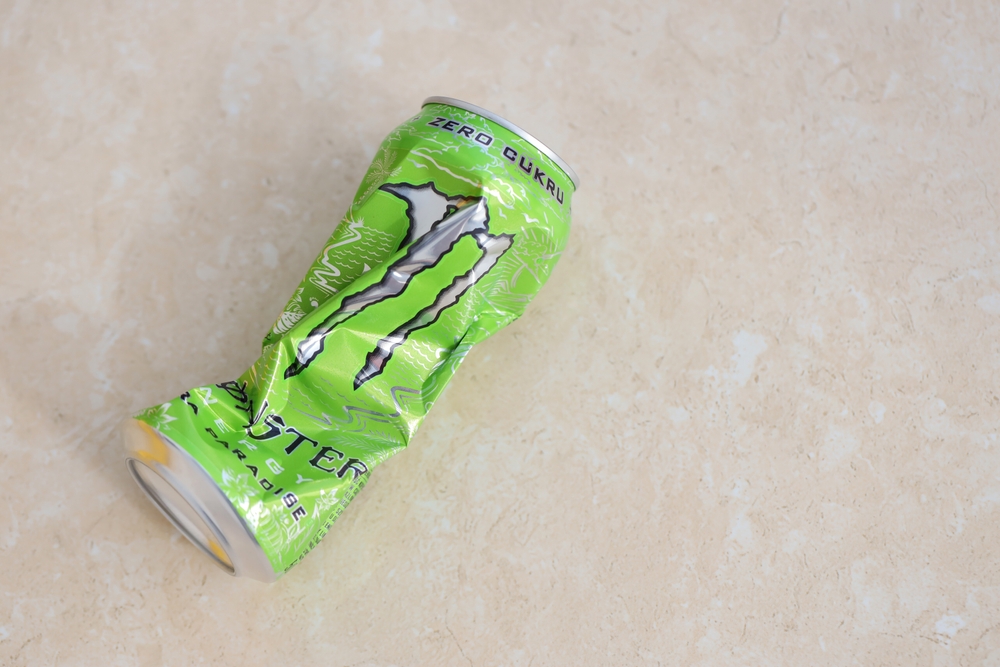
Energy drinks promise focus, stamina and productivity in a can. Whether it is a pre-workout ritual, an all-night gaming session or a long day at the office, millions reach for them when energy runs low. But while the boost is real, so are the health risks.
With hustle culture soaring, energy drinks have become an online symbol of the rise and grind. A lot of it is in the advertising: brands like Red Bull, Prime and Celsius have mastered the art of marketing adrenaline.


The message is simple: drink this, and you’ll feel the power surging through.
In particular, Monster has crafted an entire lifestyle dedicated to productivity and personality. You’ll spot the trademark neon cans set beside gaming rigs, in the background of gym selfies, or even chugged before an intense work session.
Even beyond Monster, energy drinks aren’t just your everyday beverages – they hold their own social identity.
But beneath the flashy packaging and buzz lies an uncomfortable truth. The same drinks that promise laser focus and endless stamina may be affecting our physical and mental health in more ways than people expect.
Why People Go for Energy Drinks
When we look beyond the flavours and hype, plenty of people believe that energy drinks offer some value as a “functional” beverage, especially those who need a convenient pick-me-up, or those who are more mindful about their health.
And to be fair, energy drinks do work, albeit temporarily. The caffeine, sugar and other stimulants can provide a quick burst of alertness, elevate your mood, and improve your reaction time, which is why some rely on it for physical training, extended focus sessions, or even both.
@joeywellness Why is this drink so popular #energydrink #monster #fake #food #drink #health #fyp ♬ original sound – joeywellness
A typical energy drink contains between 80mg and 300mg of caffeine per serving, depending on the brand and can size. For reference, healthy adults are generally advised to limit caffeine intake to about 400mg per day.
Furthermore, depending on the brand, energy drinks can contain certain amounts of ingredients well-known to be healthy, such as B vitamins, which are essential for your body to convert food into energy, as well as amino acids, which serve as fundamental building blocks of protein.
B vitamins play a role in converting food into energy and supporting normal nervous system function. However, for most people who already consume enough through their diet, additional supplementation is unlikely to provide a noticeable energy boost.
While ingredients such as taurine and amino acids are often marketed as performance-enhancing, evidence for substantial benefits in healthy individuals remains limited.
Nevertheless, while these ingredients make energy drinks appear more wholesome, they often lead to negligible results. For instance, we are more likely to get enough vitamin B from our diet alone that any excess is simply excreted by the body.
Importantly, excessive consumption can still negatively affect overall health, especially when used regularly or in high amounts.
The Flip Side of the Energy Boost
I live a very active lifestyle and drink 3 Monsters a day, is that bad?
by
in
energydrinks
The side effects of overindulging in energy drinks don’t stop at giving you a sugar rush.
Cardiovascular Concerns
The combination of caffeine and stimulants means that one of the biggest physical concerns regarding energy drinks is the effect on heart health.
“Concentration and hyperactivity are ends of the same spectrum,” said Dr Seo Woon Li, head of Children’s Emergency from the Department of Paediatrics at the Khoo Teck Puat – National University Children’s Medical Institute, in CNA.
“One individual may feel quite alert with a cup of coffee, but if more cups are consumed, one may feel jittery, hyper-alert, ‘off the walls’, and quite possibly, experience palpitations, chest pain and anxiety.”
The spike in heart rate and blood pressure can strain the cardiovascular system, and this can be particularly hazardous for those with underlying heart conditions.
Sleep Disruption and Weight Gain
Ironically, while many people take energy drinks to compensate for exhaustion, it could actually lead to greater fatigue. Research has found that young adults who consume energy drinks daily took longer to fall asleep, end up waking up in the middle of the night, and get shorter amounts of rest overall. In another study, young women reported that they were more likely to experience insomnia and daytime lethargy if they had one energy drink a week at minimum.
This sleep deprivation does more than cause tiredness. Over time, it can impair concentration, increase irritability, and weaken the immune and metabolic system, increasing the risk of chronic diseases like obesity, diabetes, and heart disease.
In addition, the excess sugar could erode your teeth, resulting in tooth sensitivity, cavities, and tooth decay.
Greater Anxiety and Stress
When you overload the nervous system with sugar and caffeine, it can lead to restlessness and mood swings. Through prolonged use, this reduced capacity to regulate your emotions can contribute to a significant decline in mental health.
Studies have found associations between frequent energy drink consumption and poorer mental health outcomes, including higher rates of anxiety, depressive symptoms and psychological distress. It remains unclear whether energy drinks directly cause these conditions.
For those already struggling with mental health issues, energy drinks may worsen symptoms, especially when topped up with overworking or the lack of sleep.
Dependency
As a bonus, the potential for dependence is a not-so-fantastic feature that comes with energy drinks.
They can become psychologically addictive, especially when associated with productivity and motivation. As you increase your consumption of energy drinks, your body may develop a tolerance to caffeine, meaning larger amounts are needed to achieve the same effect.
Stopping can lead to withdrawal symptoms such as headaches, fatigue, irritability and poor concentration.
Taking Charge of Your Energy (Drink) Consumption
Energy drinks are not inherently bad, but it is important to recognise the health risks hidden behind the social media glamour. Convenience does not equate to the healthier option, so if energy drinks have become part of your regular routine, consider the following:
- Take note of your caffeine and sugar consumption, including what you get in your coffee, supplements, and the rest of your diet. If you are going over the recommended limit, it is time to slowly trim away the excess.
- Check in with yourself, especially if you feel that energy drinks are affecting your sleep, mood and heart rate. If you have existing sleep or cardiovascular issues, you may want to avoid them. You can consult your doctor to be sure.
- Consider alternatives such as water, sparkling water, unsweetened tea, or coffee consumed in moderation.
At the end of the day, we shouldn’t be chasing artificial energy to push ourselves if it comes at the cost of our health. The next time you feel the brain fog taking over, instead of cracking open a can, maybe all you need is a light exercise session, and a good night’s sleep.
External References
- Beale, C. (2026, January 23). What Happens to Your Body When You Drink Energy Drinks Every Day. Health. Retrieved from: https://www.health.com/effects-of-daily-energy-drinks-11888809
- Bottaro, A. (2025, December 14). 7 Ways Drinking Energy Drinks Regularly Can Affect Your Health. Verywell Health. Retrieved from: https://www.verywellhealth.com/what-do-energy-drinks-do-to-your-body-11780293
- Costantino, A., Maiese, A., Lazzari, J., Casula, C., Turillazzi, E., Frati, P., & Fineschi, V. (2023). The Dark Side of Energy Drinks: A Comprehensive Review of Their Impact on the Human Body. Nutrients, 15(18), 3922. Retrieved from: https://pmc.ncbi.nlm.nih.gov/articles/PMC10535526/
- Gan, E. (2024, July 13). Are children and teenagers taking too much caffeine? Here’s how it affects their bodies and minds. CNA. Retrieved from: https://www.channelnewsasia.com/today/ground-up/are-children-teenagers-taking-too-much-caffeine-how-it-affects-bodies-minds-4647661
- Nazish, N. (2026, March 18). What Happens to Your Mental Health When You Drink Energy Drinks Regularly? Verywell Mind. Retrieved from: https://www.verywellmind.com/what-happens-when-you-drink-energy-drinks-regularly-11928464
- Sweeney, E. (2026, February 16). Do Energy Drinks Offer Benefits Beyond Caffeine? The New York Times. Retrieved from: https://www.nytimes.com/2026/02/16/well/eat/energy-drinks-benefits-caffeine.html
- Walsh, K. (2026, February 20). What Happens to Your Body When You Drink Energy Drinks Every Day. EatingWell. Retrieved from: https://www.eatingwell.com/are-drink-energy-drinks-healthy-11907300

