

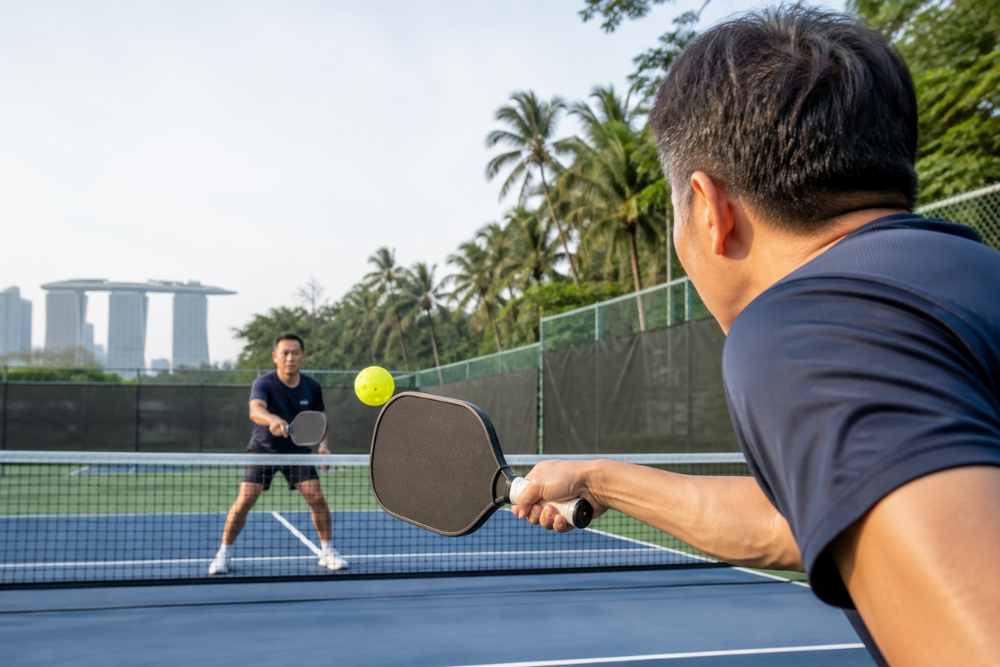
Presbyopia does not have to end your pickleball game. The right vision correction can help your eyes keep pace with fast rallies on the court.
Pickleball has a friendly reputation. It is easy to pick up, highly social and often touted to be gentler on the body than many racquet sports.


Then the rally reaches the kitchen line.
Suddenly, the ball is flying across a short distance, hands are moving quickly and players have only moments to judge where the next shot will land. The game demands sharp vision, quick reactions and accurate judgement – much more than the game’s relaxed image might suggest.
For players in their 40s and beyond, an age-related vision change may quietly join the match: presbyopia.
It may begin with restaurant menus looking blurry, phone text becoming frustratingly small or the strange realisation that your arms are no longer “long enough” to hold a book at a comfortable distance.
On the pickleball court, however, the effects may be harder to recognise.
What is Presbyopia?
Presbyopia develops as the natural lens inside the eye becomes less flexible with age. The eye gradually loses some of its ability to change focus between different distances.
According to the Singapore National Eye Centre, the condition commonly begins at around 40. It’s not just you, everyone develops presbyopia if they live long enough!
Common signs include blurred near vision, eye strain, headaches and the need to hold reading material farther away. Presbyopia is not the same as myopia, or short-sightedness, although a person can have both. A short-sighted person may already need glasses to see across the court, then develop problems reading a phone or scoreboard as presbyopia sets in.
Vision Needs in Pickleball Play
Pickleball is not played at one comfortable viewing distance.
During a game, your eyes move constantly between the ball, paddle, court lines, partner and opponents. Between rallies, you may check the score, look at a smartwatch or read a message on your phone.

Close exchanges at the kitchen line can be especially demanding. The ball covers a short distance quickly, giving players little time to identify its direction, judge its speed and prepare the paddle.
Presbyopia mainly affects near vision, so it does not automatically make a distant pickleball appear blurry. However, the wrong vision correction may make it less comfortable to shift between distances or follow a fast rally effectively.
Other age-related eye changes can also affect contrast, glare and depth judgment. The bright yellow pickleball may become harder to pick out against a bright court, particularly under poor lighting.
Could Your Glasses Be Part of The Problem?
Reading glasses are usually the first option when it comes to correcting presbyopia, and they are useful for menus, phone messages and fine print in documents at work. On the court, however, they are far less practical because they usually blur objects farther away.
Multifocal or progressive glasses offer clear vision at several distances, but wearers must look through the correct section of the lens. This can feel natural during everyday activities, but during a rapid rally, it may be more challenging.
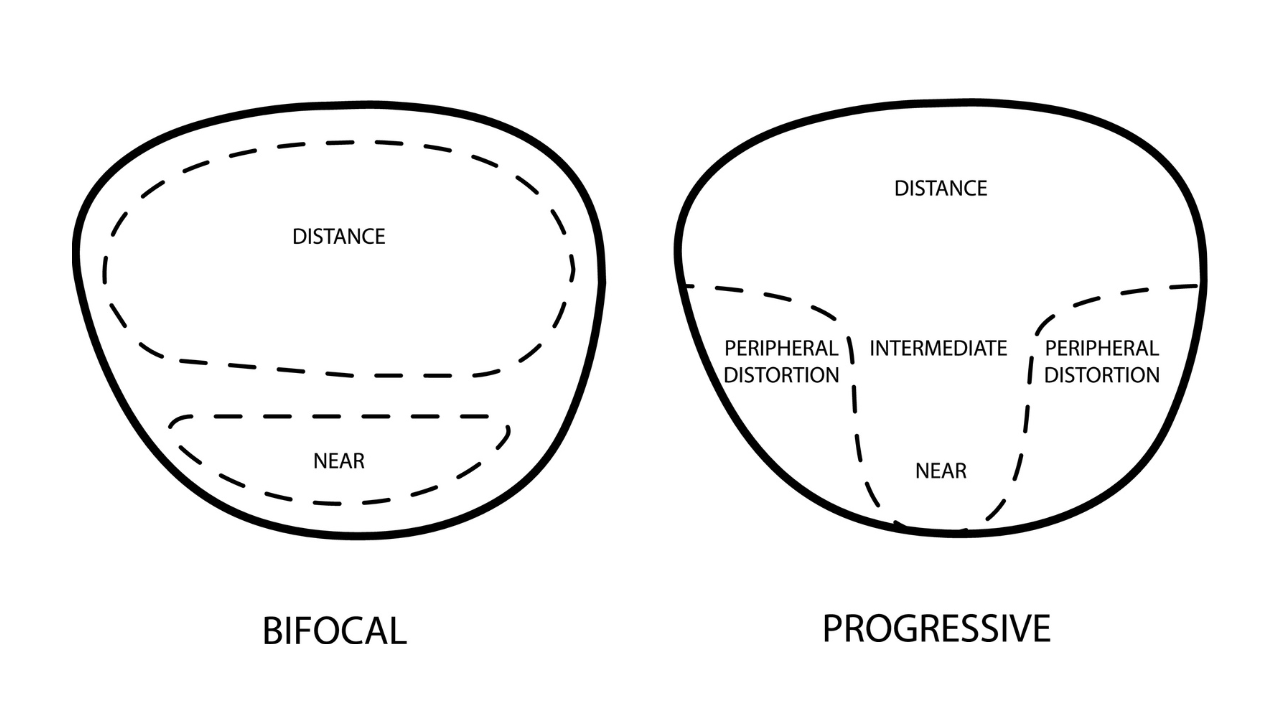
A player looking down through the lower part of a progressive lens may see the court differently and affect gameplay. Quick head movements required to track the fast-moving pickleball can also make it harder for some people to find the clearest viewing area in their prescription glasses.
Going Glasses-free with Contact Lenses
Besides glasses, contact lenses are another option. Multifocal contact lenses are another option for people with presbyopia. Unlike reading glasses, they are designed to support near, middle and distance vision within the same lens. There are also no frames to slip down the nose, restrict side vision or become fogged with sweat.
However, the use of multifocal lenses may not feel equally sharp at every distance. Some wearers notice reduced contrast, glare or halos, particularly in dim light. Fast-moving objects may also appear less crisp if the lens moves or becomes dry during play.
Could Laser Blended Vision LASIK Offer Another Option?
For people who want to depend less on glasses or contact lenses, Laser Blended Vision LASIK may be worth discussing with an eye doctor.
Designed for people with presbyopia, the treatment adjusts one eye to see better at distance, while the other is adjusted to help with near vision. A special overlap, called the “blend zone”, allows the brain to combine images from both eyes smoothly.

This helps the eyes to then work together across the distances in between, creating a blended range of vision that is intended to feel more natural.
For avid pickleball players, the appeal is easy to understand. You can check your phone, read the score and look across the court with ease. There are also no spectacle frames sliding down your nose during a humid afternoon match.
Of course, Laser Blended Vision cannot sharpen your technique, speed up your reactions or rescue a wayward serve. What it may offer is a broader range of everyday vision with less dependence on spectacles.
That convenience can extend beyond the court. The same vision used to follow the ball may also help when reading a menu, working on a laptop or checking a message.
Before recommending Laser Blended Vision, an eye doctor will need to examine the health of the eyes and determine whether LASIK is appropriate. The assessment may consider the person’s prescription, corneal health, dry eye symptoms and whether cataracts or other eye conditions are present.
When Should a Pickleball Player Book an Eye Examination?
Consider having your eyes checked if the ball regularly disappears against certain backgrounds, night games produce uncomfortable glare or headaches, and tired eyes follow a match.
A change in depth judgement, frequent missed shots or an old prescription may also warrant a review. Besides presbyopia, uncorrected myopia, astigmatism, dry eye and cataracts can also cause blur, glare or reduced contrast. A proper eye examination is the only reliable way to identify the cause.
Presbyopia is inevitable, but giving up pickleball is not. A chat with your ophthalmologist, appropriate correction and a period of adaptation can help your ageing eyes keep pace with your favourite game.
Ready to keep your eye on the ball? Catch the JOOLA–ZEISS Vision Tournament at PickleMall @ Sengkang Grand Mall on 23 & 30 August 2026, 9am-12pm, supported by ZEISS.
While enjoying the action, find out more about presbyopia and the vision correction options that may suit your lifestyle. Learn more at https://medicalchannelasia.com/seelifebeyond/.

