

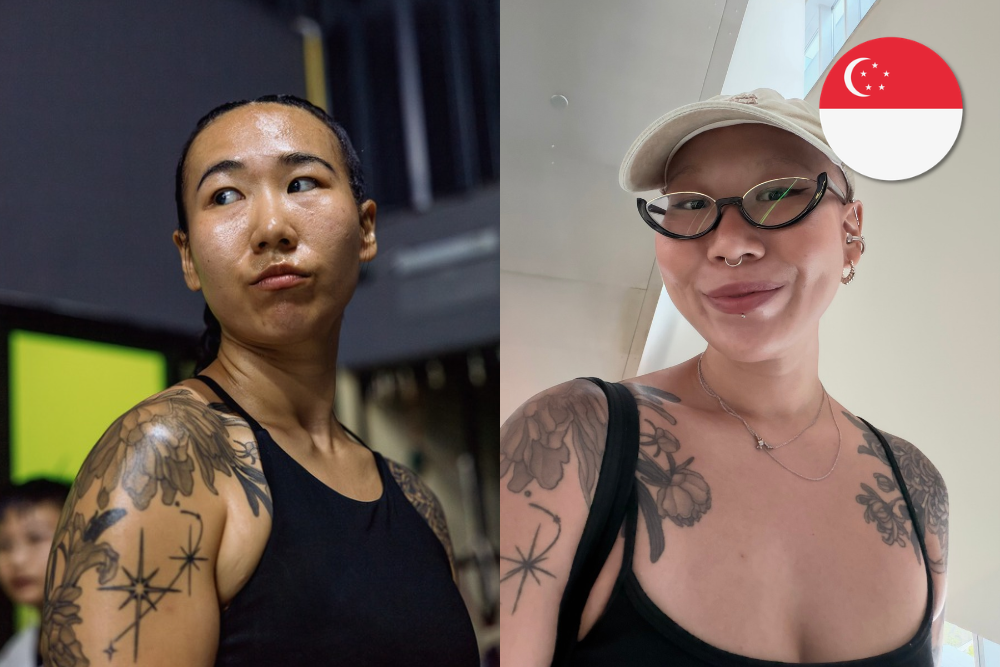
Newly engaged and preparing for more Muay Thai fights, Shermin Shu was diagnosed with breast cancer at 30. She shares the struggles behind her cheerful exterior, the wedding that can wait and the people helping her through treatment.
Before breast cancer, Shermin Shu had plenty of questions about the future. They were the kind that came with having a full life and the appetite to fit more into it.


“How many fights could I take on this year? What projects were we going to work on? What was next for me?”
She worked in creative marketing and project management. She was also a part-time coach, freelance life-drawing model and art director. Muay Thai filled another part of her life, and she had recently completed her professional debut in Thailand.
Newly engaged, she was looking towards marriage, too.
“Every day felt exciting. There was always something to look forward to, something to work towards, and something new to create.”
Then, at 30, she was diagnosed with Stage 2B breast cancer. The questions changed – there were treatment decisions to understand, changes to her body to process and plans that would have to wait.
Now 31, Shermin is sharing what that adjustment has looked like: a life that still holds training, work and joy, alongside difficult moments that her cheerful public presence can make easy to miss.
How A Breast Change Led To A Diagnosis
Shermin’s fiancé was the first to notice something unusual in her breast.
At the time, she was preparing for an upcoming Muay Thai fight. She thought the change might be hormonal and related to her period, so she initially gave it little attention.
Towards the end of 2025, during a training session, she noticed a cyst-like growth on her breast. Concerned, she went to a polyclinic. Further checks eventually led to her diagnosis.
“I remember thinking, how is this even possible? I’m only 30. How did something I thought was just a blood clot turn out to be cancer?”
Fear and uncertainty followed. She questioned why this was happening and what would come next.
Breast cancer was not an unfamiliar subject. She had even devoted her final-year polytechnic project to it. Yet knowing about a disease had never made her imagine herself as someone who would experience it at this age.
Her experience is a reminder to have unusual changes assessed rather than trying to determine the cause alone. Anyone who notices an unusual breast change should consult a doctor, although most breast changes are not cancer.
The Wedding Can Wait
Shermin’s diagnosis brought changes to a future she and her fiancé had begun planning together.

They had intended to marry in 2027. They have since postponed the wedding until 2028, giving her more time to recover physically.
“The wedding can wait, and right now, getting better is our priority.”
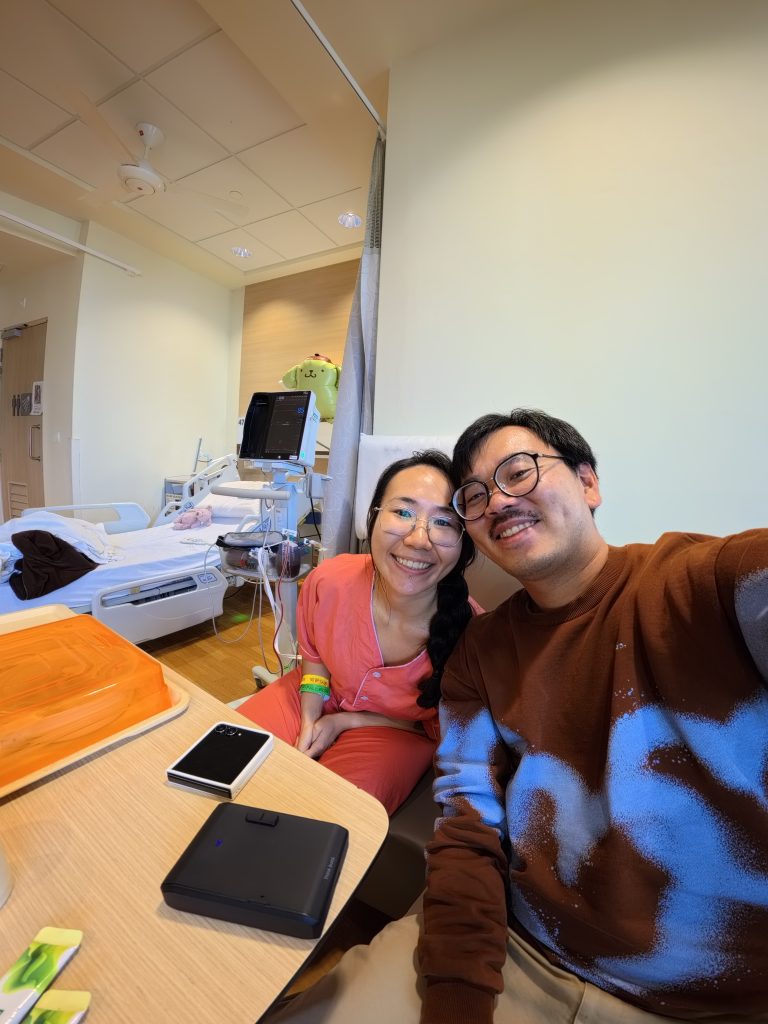
For Shermin, her partner has remained beside her while both have adjusted to an unexpected chapter in their relationship.
“I’m just really thankful to have someone who’s been by my side through all of this.””
What People Did Not See Behind Her Smile
In March 2026, Shermin underwent a right nipple-sparing mastectomy with immediate DIEP flap reconstruction. She began chemotherapy in June.
Her cancer is oestrogen receptor-positive and progesterone receptor-positive, meaning these hormones can help the cancer grow. In these cases, hormone therapy may slow or stop the growth of hormone-sensitive breast cancers.
At the time of her interview, she had one chemotherapy session remaining. Radiotherapy and hormone therapy were planned next.
While these milestones describe the course of treatment, they capture less of what it felt like to live through it.
“I think because I’ve always been quite cheerful and positive around my friends and on social media, people don’t really see how much I struggled behind the scenes.”
After surgery, adjusting to her body took time.
“I remember looking at myself in the mirror for the first few times and finding it really hard to accept what I saw.”

She describes self-doubt and moments when she hated how her body looked. Becoming comfortable in her own skin again happened gradually.
Shermin is thankful to the doctors who performed her reconstruction. As she has recovered, she says her scars have become barely noticeable. Alongside that physical healing, she has had to work through her feelings about the changes.
Her upbeat personality could make those struggles less apparent to other people.
“With my personality, it’s easy for people to forget that I’m still a cancer patient and that I have my bad days too.”
For those supporting someone through treatment, keep checking in on your loved one, even when they seem to be coping well. Being able to laugh, socialise or share a positive moment does not make those difficult days disappear, and having support in the form of family and friends is more important than ever.
Muay Thai Still Had A Place In Her Life
Before diagnosis, Shermin had a plan for her next chapter in Muay Thai. Following her professional debut in Thailand, she wanted to prepare for a few more fights in 2026. After that, she intended to retire from competing and devote more time to coaching and contributing to the gym.
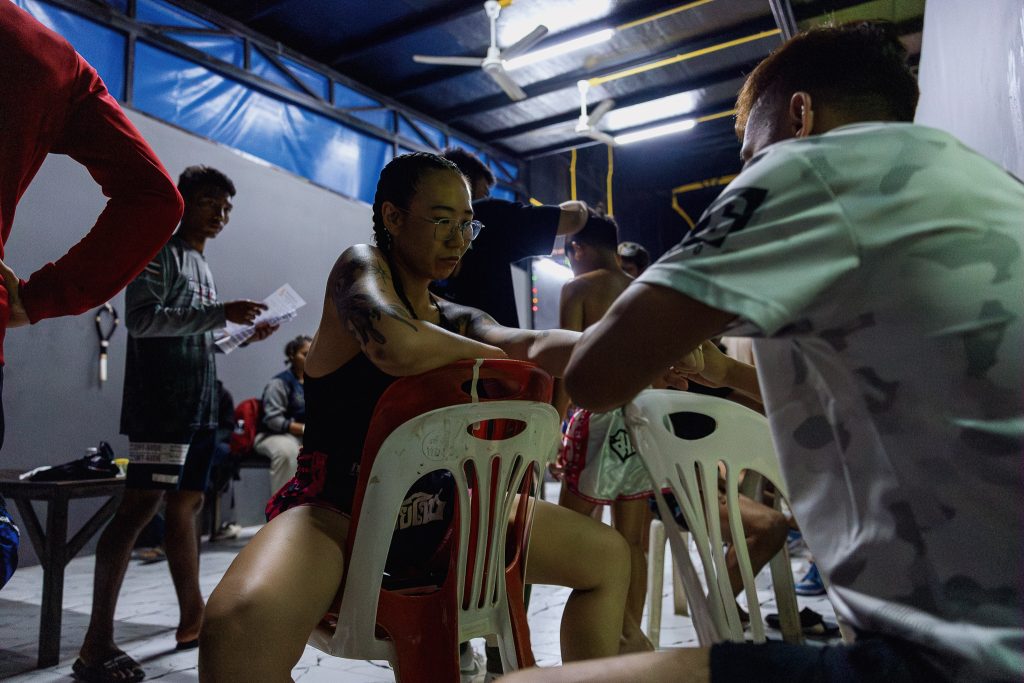
Having to put those plans on hold was disappointing.
The sport had given her goals to work towards and a community to be part of. During treatment, she began finding different ways to remain involved.
“But since my diagnosis, my relationship with Muay Thai has changed. Instead of training to fight, I’ve been showing up for different reasons.”
She describes returning to support her fitness during chemotherapy, rebuild strength and mobility after surgery, and continue doing something she loves, even if that means hitting the pads.
Staying Connected To Her Muay Thai Community
Putting her competitive plans on hold did not mean stepping away from the people she knew through Muay Thai. Shermin names her coach and friends among those who supported her, alongside her fiancé and family.
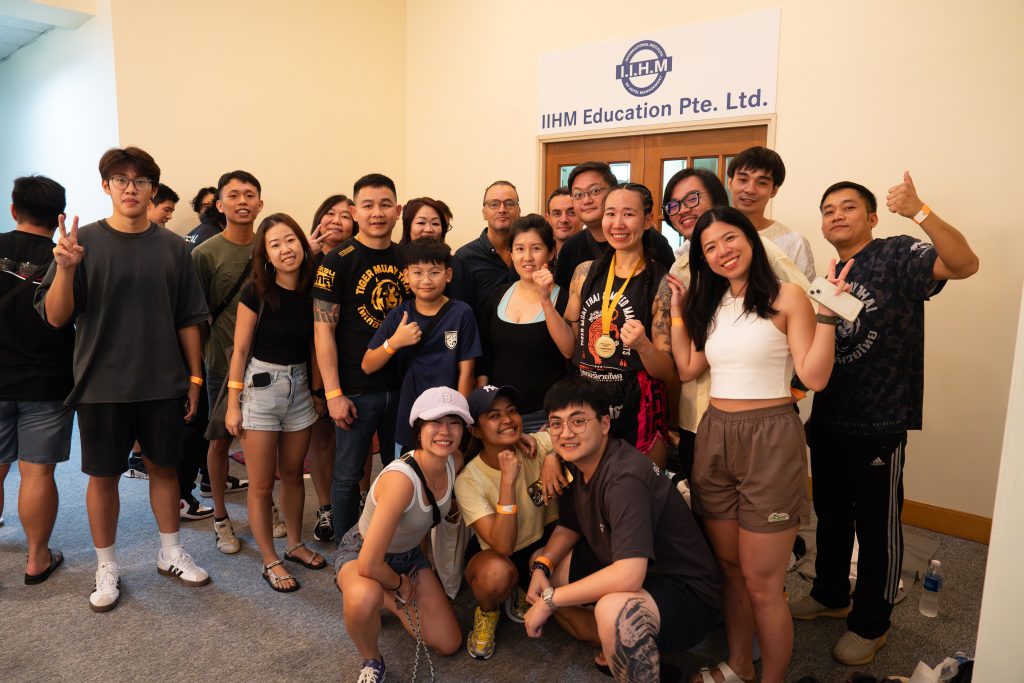
The gym also remained somewhere she could contribute. As she adapted her own training, she turned more attention towards helping others prepare for their fights.
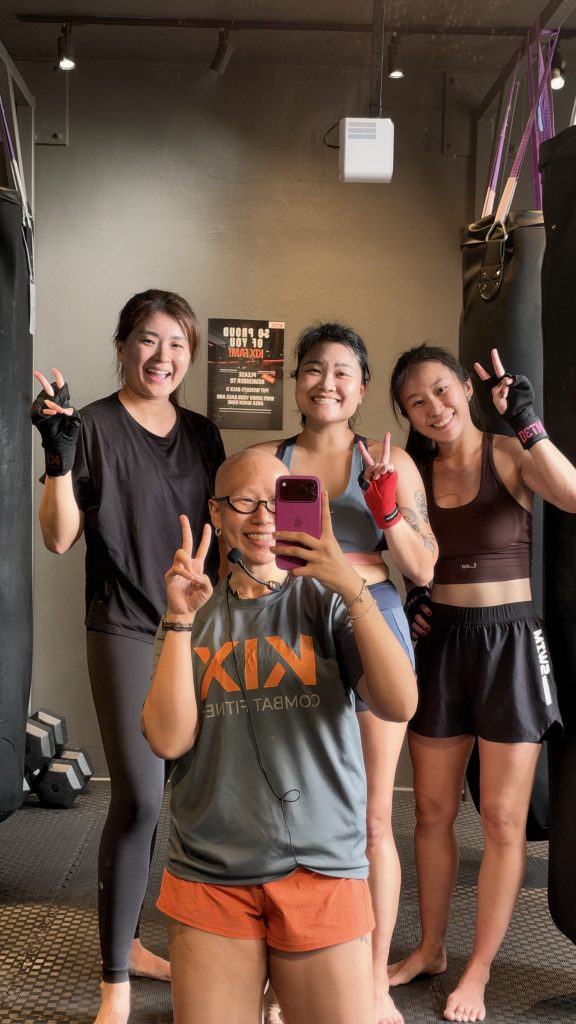
“I’ve also shifted my focus towards supporting my training partners and gym mates in their own fight journeys. Coaching has allowed me to keep my skills sharp while meeting and interacting with more people.”
Staying involved gave her a way to continue using her skills and spending time with people who shared her love of the sport, even as her own goals changed.
“I guess Muay Thai has always been a big part of my life, and cancer hasn’t taken that away from me. It’s just changed the way I show up for the sport, at least for now.”
When Searching For Answers Made Her More Afraid
Support came from her fiancé, family, friends and coach. At one point, however, Shermin needed reassurance from people who had been through something similar themselves. While preparing to have a chemotherapy port inserted, she began looking up other patients’ experiences on TikTok.
The search became a source of distress.
“Unfortunately, I ended up going down a rabbit hole of negative experiences and stories, and it really affected me mentally.” She found herself overthinking, growing increasingly frightened and spiralling into a negative headspace.
Following her oncologist’s advice, she signed up for the Breast Cancer Foundation’s Young Women Support Group.
“Just being in a room with other women who understood exactly what I was going through made such a big difference.”
There, she could ask questions, voice her worries and hear from women with similar experiences. Their encouragement helped her approach the rest of treatment with greater confidence and less fear.
“I think sometimes, no matter how supportive your loved ones are, there’s a different kind of reassurance that comes from speaking to someone who truly understands what you’re experiencing.”
For readers seeking help after a diagnosis, BCF provides information on emotional support and available services.
Sometimes, Support Means Simply Being There
For Shermin, support has come through both reassurance and the presence of people she loves.
“My fiancé has been super supportive throughout this whole journey.” she shares. “He’s also constantly reminding me that he loves me no matter what, regardless of how much my body or appearance changes.”
View this post on Instagram
Being there can also mean allowing her to speak without offering a solution. Shermin recognises that many of her friends are learning how to support someone their age through cancer. Although advice usually comes from concern, medical suggestions can become overwhelming when she already has doctors guiding her treatment. Explaining or justifying her decisions can be tiring.
“I think what people need to understand is that sometimes we don’t need advice or solutions. We just need someone to listen, be there for us and give us the space to process everything at our own pace.”
For loved ones wondering how to help, her experience offers a starting point – listening without offering solutions and remaining beside them through the difficult days.
Learning To Appreciate What Her Body Can Do
Today, Shermin describes her relationship with her body with affection and honesty.
“I love my body, although I would say it’s still a work in progress!”
Shermin has returned to Muay Thai training at a moderate intensity and remains involved through coaching. Some movements still feel tight or hurt a little, and she is learning to be patient rather than rush.
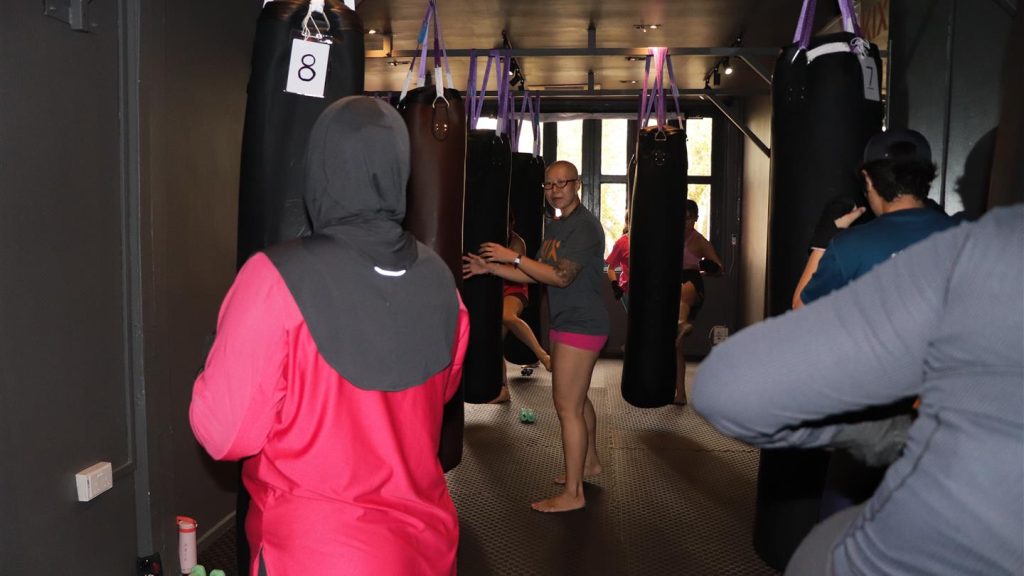
“It feels really good to be back doing something I love, even if I’m not quite at the level I used to be. I’m just happy that my body is allowing me to move and train again.”
She looks forward to gradually rebuilding stamina and strength after chemotherapy. For now, she is appreciating what her body allows her to do.
*Anyone considering exercise during cancer treatment should discuss appropriate activities and intensity with their care team.
More To Her Story Than A Diagnosis
Shermin is taking part in BCF’s Faces of Courage: Stories Beyond the Diagnosis because she wants other young women to recognise something of themselves in her experience and find comfort.
She also wants people to see the parts of her life that continue alongside treatment.
“I still train, work, laugh and enjoy doing the things I love, just at a slightly different pace now.”
There is room in that life for disappointment about postponed plans, fear about treatment and days when her body feels unfamiliar. There is also room for coaching, creativity, love and the pleasure of being back at the gym.
For anyone who notices something unusual in their breast, her message is direct.
“If you notice something unusual, please get it checked. It’s always better to have that peace of mind than to keep putting it off.”
For someone newly diagnosed, she hopes support will become part of their care when they are ready to seek it.
“Sometimes, just having someone who understands your worries can make such a big difference. You don’t have to go through this alone.”
Where Can You See Faces Of Courage?
View this post on Instagram
BCF’s Faces of Courage: Stories Beyond the Diagnosis exhibition features young women aged 45 and below who have been diagnosed with breast cancer, alongside the people who supported them.
It will run from 23 to 31 October 2026, 12nn to 10pm, at COURTS NOJIMA, The Heeren, Level 4, 260 Orchard Road, Singapore.

