

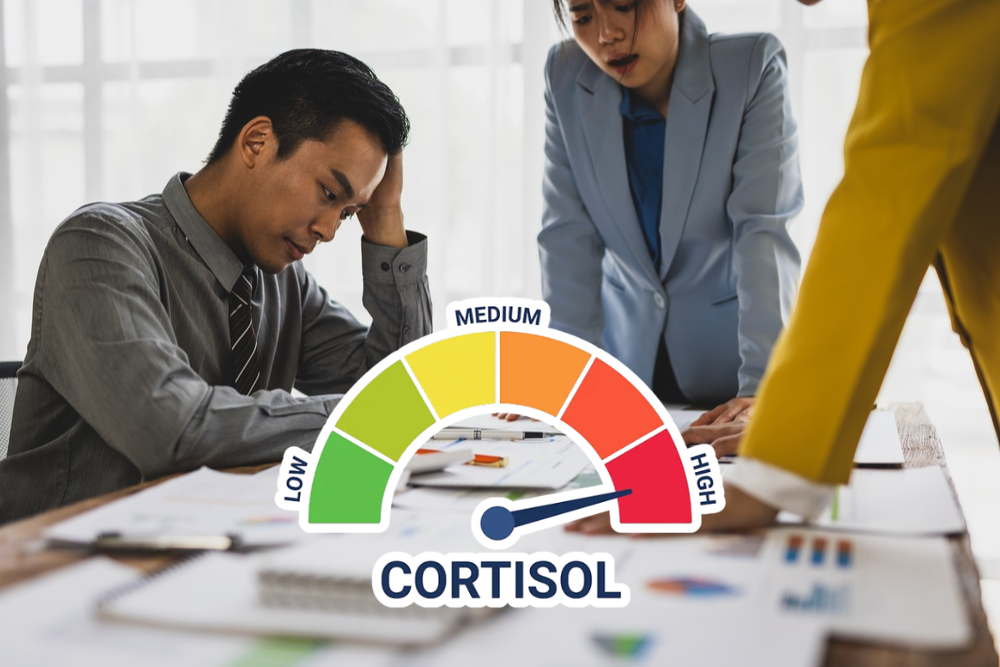
The viral low cortisol/high cortisol meme has turned a stress hormone into internet shorthand for life’s frustrations. But what does cortisol actually do, and when do high or low levels become a health concern?
If your free time is spent in the corners of the internet where wellness trends collide with cultural gags (or if you just scroll long enough through TikTok or Instagram), you would have likely encountered the low cortisol/high cortisol meme.


View this post on Instagram
View this post on Instagram
It is a trend that uses cortisol as a shorthand to rate how challenging, uncomfortable, or anger-inducing a person, situation or video is. Presented with a meter in which the needle is pointed at either “high” or “low” cortisol, the content can be funny, absurd – and all too easy to understand.
It has also sparked genuine curiosity about the real hormone that plays such a critical role in our health.
So what exactly is cortisol? What does it actually mean when it is low, as opposed to high?
And how much more is there to cortisol that is packaged away to fit a viral and consumable internet meme?
The Lowdown on Cortisol
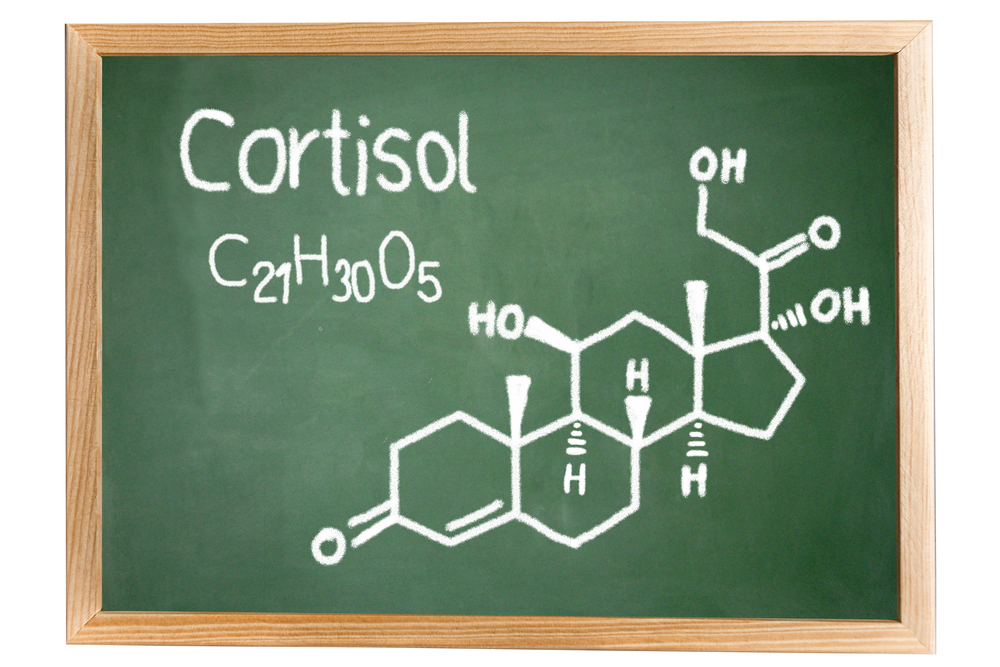
Cortisol is a hormone produced by the adrenal glands, which are located above the kidneys. While it is best known for its association to stress (it is often referred to as the body’s very own stress hormone), cortisol holds a bigger role than many of us realise.
For instance, other than enhancing cardiovascular function, cortisol can:
- Regulate our metabolism by adjusting how the body uses fats, sugars and proteins.
- Suppress inflammation in short bursts, in turn boosting our immunity.
- Control the sleep-wake cycle, which is why our cortisol levels tend to peak in the morning before we wake, and decline in the evening before bedtime.
However, the reason it has become synonymous with stress is due to the critical part it plays in managing the body’s stress response.
Cortisol is released to support our “fight or flight” response, an evolutionary mechanic that is triggered by what our brains perceive to be dangerous situations, regardless of whether the threat chasing us is a predator or a looming deadline. This means that during periods of stress, our respiratory rate, heart rate, blood pressure, blood glucose, and even muscle tension are raised to keep us focused and alert.
“Most of us experience short periods of stress where the cortisol levels peak, then stabilise once the stressful event is over,” said consultant dermatologist Dr Stephanie Ho in CNA. “This peak allows us to rise to the challenge, but the balance is restored once the challenge is over.”
The problem arises when stress becomes chronic.
Modern life rarely requires us to face actual predators, but it is common for people to experience persistent psychological tension from work, finances, relationships, and constant connectivity. In such circumstances, the body’s stress response can remain activated more frequently than they were designed to.
Looking Back on the Meme – And Why It Went Viral
The low cortisol/high cortisol meme is more than just throwaway content for clicks. It taps into something many of us feel: the world we live in today often seems engineered to keep us perpetually overwhelmed.
That the joke is highly relatable is why it has achieved such widespread popularity. It highlights how feeling stressed and overstimulated is a shared experience.
Furthermore, it gives stress a face. Stress is a nebulous concept that can be difficult to describe. The meme translates intangible feelings into an instantly recognisable format.
At its core, the meme is less about hormones, and more about identity. It is an opportunity to laugh at ourselves or our situations and connect with others, even as we are expressing how modern life feels.
What People Might Misunderstand About the Meme
While the meme does teach us a little more about our health and the general human experience, what we take away from it, particularly about our understanding of the hormone, could do with some tweaking.
In this case, what it does is provide an oversimplified explanation that assumes high cortisol is bad, while low cortisol is good.
Comment
by
u/AdAbject6946 from discussionin
OutOfTheLoop
Though it is true that chronically high levels of cortisol can lead to medical issues down the road, cortisol spikes are natural energy boosters that help us solve problems and handle challenges.
“As long as there are sufficient rest periods and the cortisol levels are allowed to subside and restore balance, having a high cortisol level is not always a bad thing,” Dr Ho assured.
In turn, if cortisol levels are too low, it could be the result of conditions such as:
- Autoimmune disorders
- Infections such as tuberculosis (TB) and human immunodeficiency virus (HIV)
- Addison’s disease, where the adrenal glands are compromised and unable to produce sufficient levels of cortisol
- Traumatic brain injury
It can also cause symptoms such as fatigue, low blood sugar, low blood pressure, a loss of appetite, and abdominal pain.
Essentially, genuinely low cortisol can be a serious health issue requiring professional treatment.
The Real Takeaway
While one lesson brought forth by the meme may be slightly misleading, it has still encouraged us to think and learn more about stress and our overall wellbeing – and that is not a bad thing.
The challenge is in remembering that wellness trends are often built around narratives rather than nuanced science.
Cortisol is not the enemy. It is simply a normal, essential hormone doing its best to help your body adapt to life’s demands.
So if you want to maintain healthy cortisol levels, one tip would be to trigger the body’s relaxation response after an adrenaline-fueled situation. The following strategies might help:
- Exercise or yoga
- Breathing techniques
- Meditation
- Guided imagery
- Calming activities like journaling or listening to music
Just keep in mind that wellness is always more complicated than a viral trend.
External References
- Cleveland Clinic. (2022, May 13). Adrenal Gland. Retrieved from: https://my.clevelandclinic.org/health/body/23005-adrenal-gland
- Cleveland Clinic. (2025, February 17). Cortisol. Retrieved from: https://my.clevelandclinic.org/health/articles/22187-cortisol
- Genualdo, K. J. (2026, April 8). What Does ‘Cortisol Spike’ Mean? The Cortisol Level Meme And Slang Explained. Yahoo News. Retrieved from: https://malaysia.news.yahoo.com/does-cortisol-spike-mean-cortisol-154500883.html
- Jahangir, K. (2025, December 20). Cortisol: What It Is and How To Control It. Health. Retrieved from: https://www.health.com/cortisol-7368124
- Scott, E. (2025, December 4). How the ‘Stress Hormone’ Cortisol Affects You. Verywell Mind. Retrieved from: https://www.verywellmind.com/cortisol-and-stress-how-to-stay-healthy-3145080
- Yeap, A. (2024, August 19). Gen Zen: Is ‘cortisol face’ on TikTok really a thing? Relax, everyday stress won’t give you a ‘puffy, round face’. CNA. Retrieved from: https://www.channelnewsasia.com/today/mental-health-matters/gen-zen-cortisol-face-tiktok-stress-round-puffy-face-4633261

