

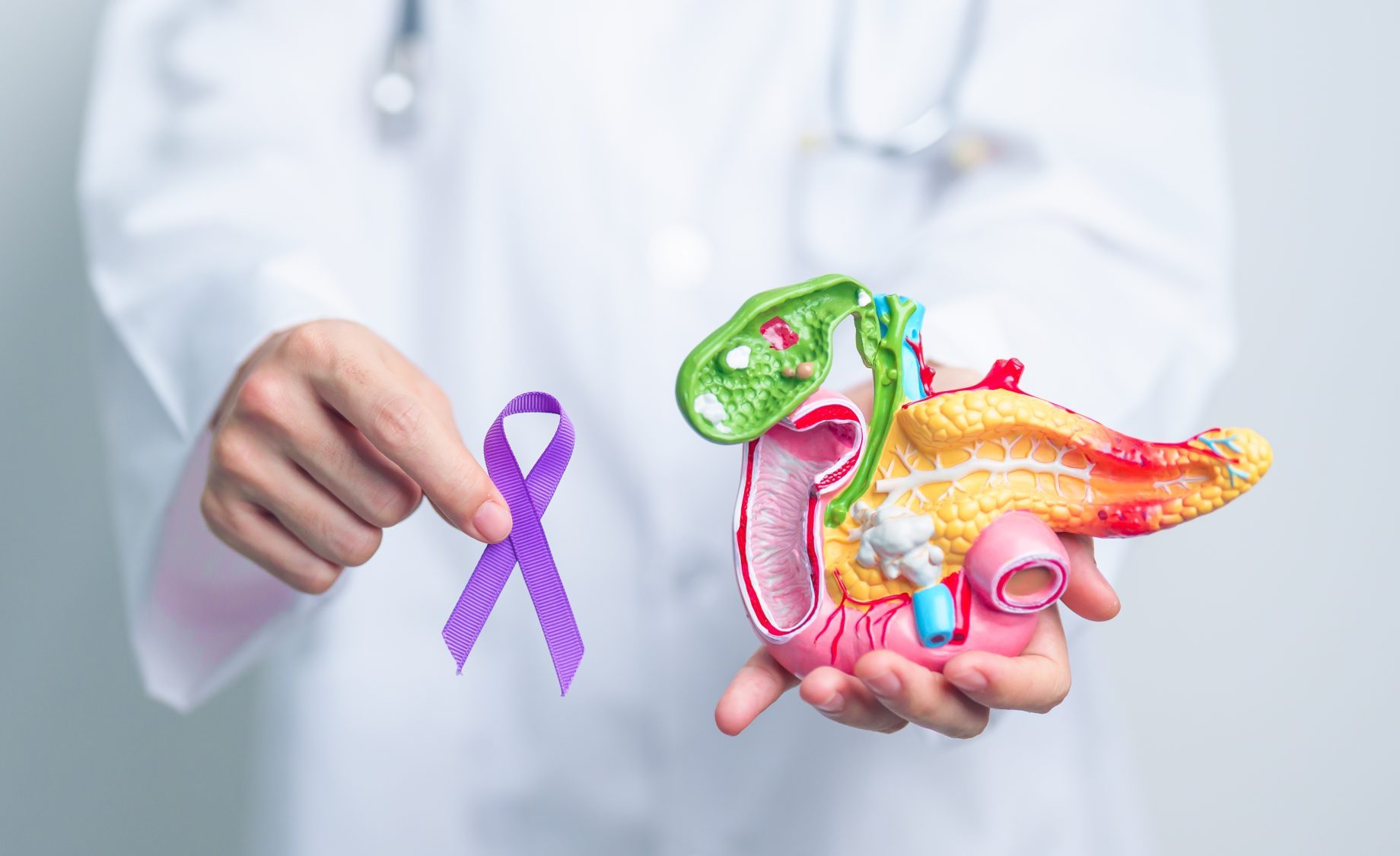
Rates of pancreatic cancer are soaring in Singapore, but a pioneering pancreatic cancer vaccine Singapore scientists are developing could completely rewrite the survival odds.
Ask most Singaporeans to name a cancer they fear, and pancreatic cancer rarely tops the list. Perhaps it should. Data published in the last five to six years shows Singapore has one of the fastest-rising rates of pancreatic cancer in the world, in both men and women.


Doctors do not yet have a definitive explanation for the rise. Dr Glenn Bonney, senior consultant liver, pancreas and transplant surgeon at Gleneagles Hospital with PanAsia Surgery Group, says increasing rates of diabetes and fatty changes in the pancreas may be contributing factors.

However, the trend cannot simply be explained by more people undergoing scans or cancers being detected earlier. Doctors are also seeing an increase in advanced pancreatic cancer, suggesting that the disease itself may genuinely be becoming more common.
This makes the search for better treatments particularly urgent. Dr Bonney has spent more than two decades confronting these challenges through surgery and research.
“Pancreatic cancer is quite difficult to treat,” he says. “The pancreas is located in such a way that the disease can develop very slowly without you actually knowing you have it. And even when it is detected, the cancer is very good at evading the immune system.”
Pancreatic cancer is not simply aggressive. It is clever.
A Cancer That Knows How to Hide
The primary reason pancreatic cancer resists standard treatments lies in its cellular composition. Unlike other solid tumours, a pancreatic tumour is not a solid mass of malignant cells.
- Breast Cancer: Composed of about 90% cancer cells.
- Colorectal Cancer: Composed of roughly 60% cancer cells.
- Pancreatic Cancer: Composed of only 20% cancer cells.
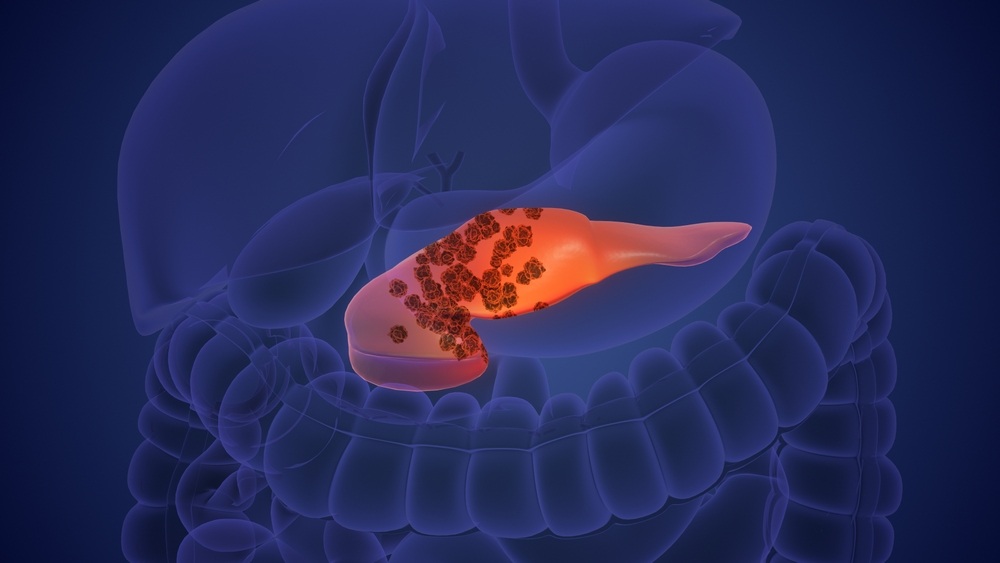
The remaining 80% consists of a dense, fibrous tissue matrix known as the stroma, hiding the cancer from the immune system that might otherwise fight back. This is why immunotherapy, the breakthrough that has reshaped survival for melanoma and lung cancer, has barely made a dent here.
Surgery has come a long way, with keyhole and robotic techniques now sending patients home within days. Yet, the long-term post-operative survival rate has seen minimal improvement over the last forty years.
Beyond the Scalpel – A Vaccine Against Pancreatic Cancer?
The team started by growing tiny biopsies from patients’ own tumours into three-dimensional structures called organoids, which offer a personalised window into a disease too often treated as one-size-fits-all.
That research laid the groundwork for something more ambitious: a vaccine against pancreatic cancer itself. The word deserves a pause, since it is easy to misread. This is not a vaccine that stops you catching something, like a flu jab. It is built to treat cancer that is already there.
Working alongside collaborators at the National University of Singapore, including Associate Professor Le Thi Nguyet Minh, the team has developed something that sounds straight out of a heist film.
Using tiny extracellular vesicles naturally released by red blood cells, the team engineers a “Trojan horse” that can carry the immune system directly to pancreatic cancer cells. Once inside the tumour’s defences, the immune system finally does what it has never managed here alone: recognise the cancer, and attack it.
What the Early Evidence Shows
While the laboratory data is promising, the treatment remains in the early stages of development:
- Preclinical Status: The therapy has successfully reduced tumour mass in laboratory models and demonstrated an excellent safety profile in non-human primates. However, it has not yet entered human clinical trials and is not an approved treatment.
- Next Steps: The research team is expecting to transition into first-in-human clinical trials.
Why This Still Matters, Today
For someone with a pancreatic cancer diagnosis right now, research years from the clinic can feel like cold comfort. Nevertheless, advances in surgery, chemotherapy sequencing, and closer teamwork between surgeons, oncologists and radiologists have already turned some once-hopeless cases into long-term survival.
The vaccine, if it eventually reaches patients, would not replace any of that. It would be a third tool, aimed at the one advantage pancreatic cancer has always held over medicine: its ability to hide.
“The game has really changed (for other cancers targeted by immunotherapy),” Dr Bonney reflects. “What previously was not operable has now, with the right treatment and the right team, become curable.”
Associate Professor Le believes the partnership brings together complementary strengths.
“Together, we hope this technology will bring new therapeutic opportunities to patients with one of the world’s deadliest cancers,” he says.
Whether the same can one day be said of pancreatic cancer as a whole remains an open question. But for a disease quietly outpacing almost everything else in Singapore, even a small shift in the odds is worth paying attention to.
References
- Chew, C. A., Wun, C. M., Lee, Y. F., Chee, C. E., Ho, K. Y., & Bonney, G. K. (2025). Functional Precision in Pancreatic Cancer: Redefining Biomarkers with Patient-Derived Organoids. International journal of molecular sciences, 26(18), 9083. https://doi.org/10.3390/ijms26189083
- Feig, C., Gopinathan, A., Neesse, A., Chan, D. S., Cook, N., & Tuveson, D. A. (2012). The pancreas cancer microenvironment. Clinical Cancer Research, 18(16), 4266–4276. https://doi.org/10.1158/1078-0432.CCR-11-3114
- Incidence, mortality and prevalence by cancer site: Singapore. (n.d.). Global Cancer Observatory / International Agency for Research on Cancer. https://gco.iarc.fr/today/data/factsheets/populations/702-singapore-fact-sheets.pdf
- National Registry of Diseases Office. (2024). Singapore cancer registry annual report 2023. https://www.nrdo.gov.sg/docs/librariesprovider3/default-document-library/singapore-cancer-registry-annual-report-2023.pdf
- PNguyen, T. T. T., Dang, X. T. T., Phung, C. D., Tran, L. T. N., Do, N. T. P., Yeo, E. Y. M., Tran, N. M., Yeo, B. Z. J., Lixuan, C. P., Nguyen, N. T. H., Nguyen, H. X., Ngo, H. T., Bonney, G. K., Luo, D., & Le, M. T. N. (2025). Safety and efficacy of KRAS antisense oligonucleotides and RIG-I agonists delivered by extracellular vesicles for pancreatic cancer peritoneal metastasis treatment. Journal of Controlled Release, 387, 114239. https://doi.org/10.1016/j.jconrel.2025.114239
- Ranganath, R., & Chu, Q. (2021). Global trends in pancreas cancer among Asia-Pacific population. Journal of gastrointestinal oncology, 12(Suppl 2), S374–S386. https://doi.org/10.21037/jgo-20-118
- Xie, D., & Xie, K. (2015). Pancreatic cancer stromal biology and therapy. Genes & diseases, 2(2), 133–143. https://doi.org/10.1016/j.gendis.2015.01.002

